An EtherChannel bundles multiple physical links into a single logical interface, called a port channel.
You already built EtherChannels in the EtherChannel module of the CCNA path.
This module is about what happens when a bundle breaks, and how to fix it.
Before that, let's rebuild the foundation in one lesson.The Problem with Parallel Links
Plugging two cables between your switches should double the bandwidth.
It doesn't.Spanning Tree Protocol sees a Layer 2 loop between the switches and blocks the redundant link.
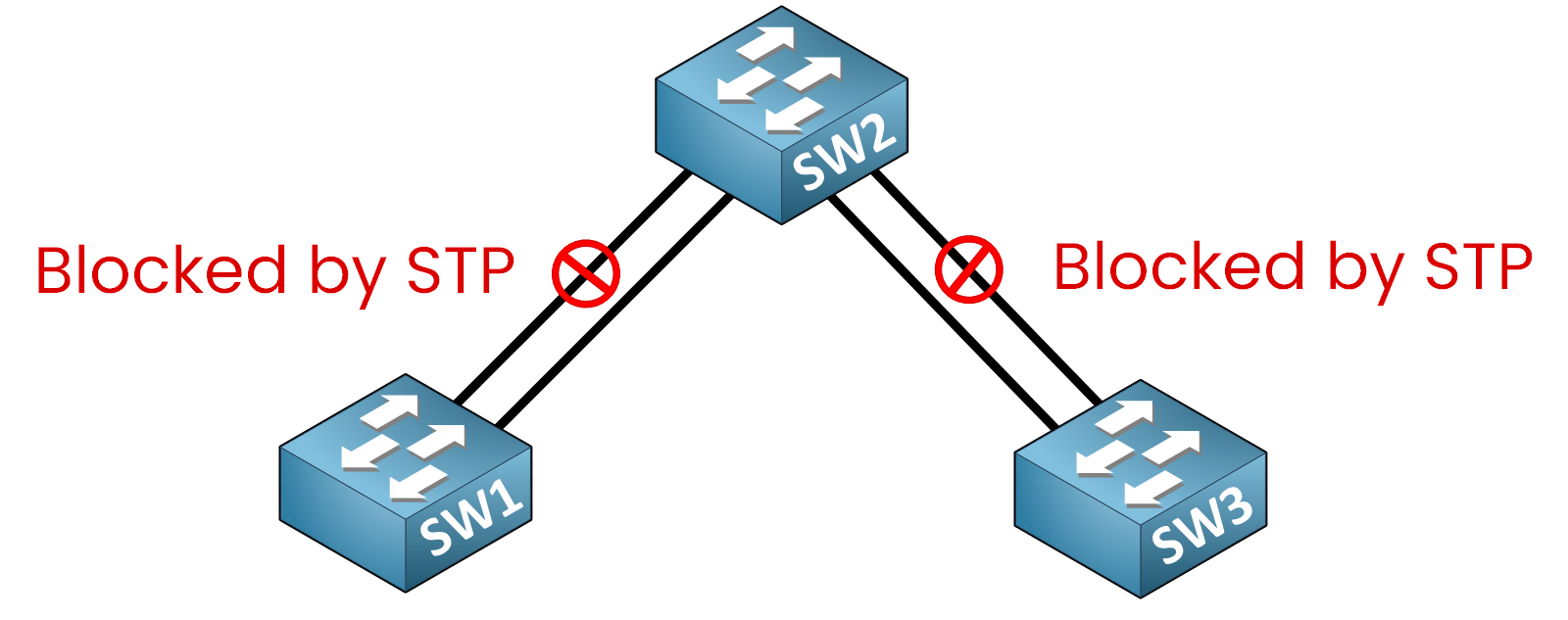
Figure 1 – Parallel links without EtherChannel
One link forwards, the other sits idle.
You pay for two links and use one.Answer the question below
Which protocol blocks the redundant link?
One Logical Interface
With EtherChannel, STP no longer sees two physical links.
It operates on one logical interface, so there is nothing to block.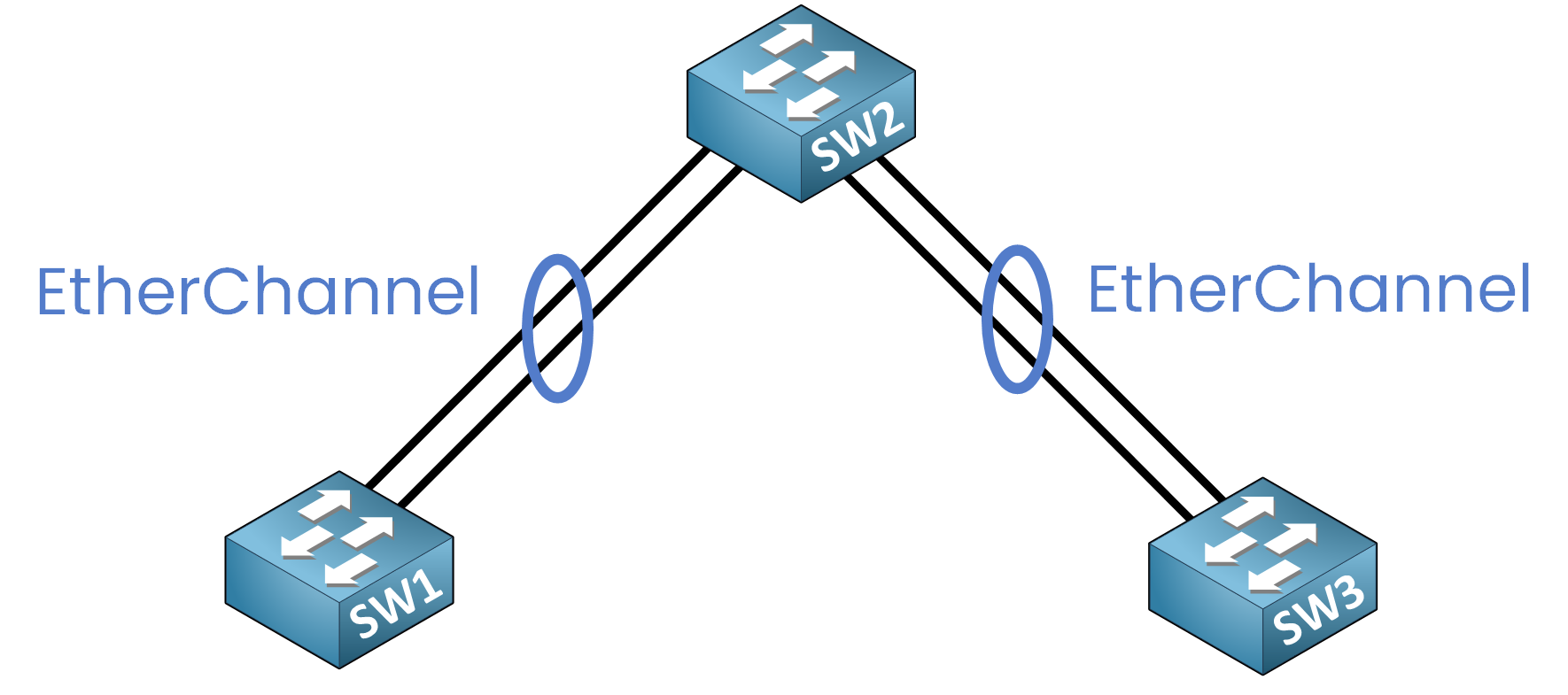
Figure 2 – EtherChannel logical bundling
All member links forward at the same time, and your traffic is load balanced across them.
Failures behave differently too.
When a member link fails, the port channel stays up.
No STP recalculation, no topology change.
The bundle keeps forwarding on the remaining links.Answer the question below
Does STP operate on the physical links or the logical interface?
A port channel can be assembled statically or negotiated by a protocol.
You know all three from CCNA.Static Mode (On)
With static mode, your switch bundles the ports without asking the neighbor anything.
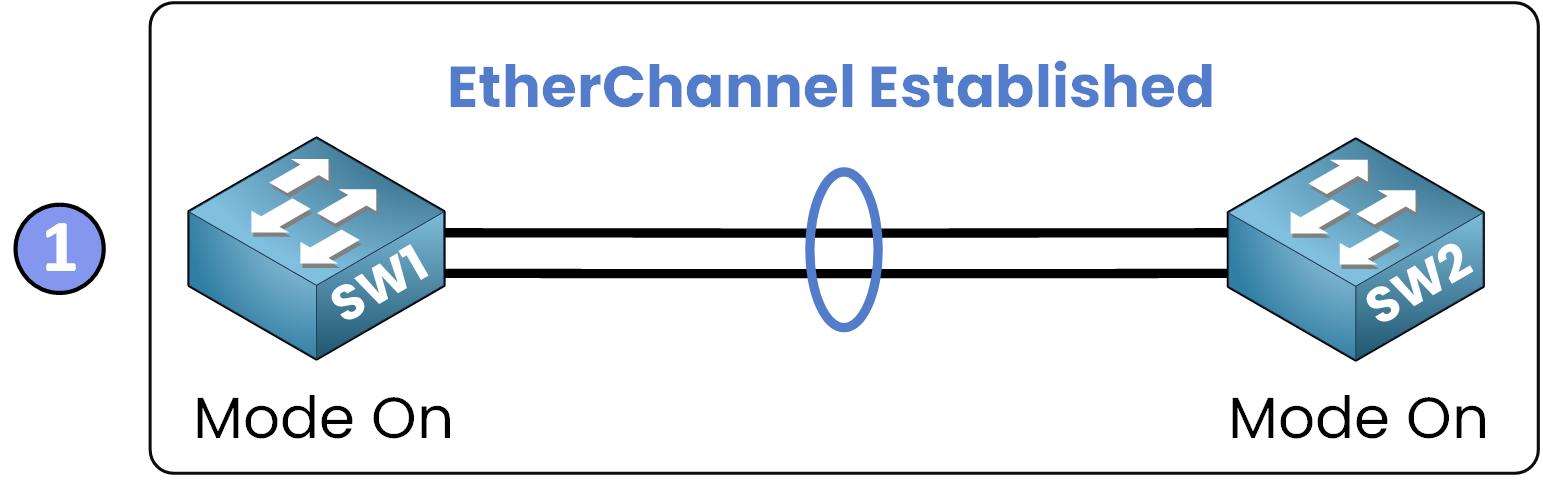
Figure 3 – Static EtherChannel (mode on)
No negotiation also means no health check.
If the other side is misconfigured, the static side bundles anyway.
It causes most of the failures you will troubleshoot in the next lesson.Answer the question below
Does static mode perform any health check with the neighbor?
PAgP: Desirable and Auto
PAgP (Port Aggregation Protocol) is Cisco proprietary.
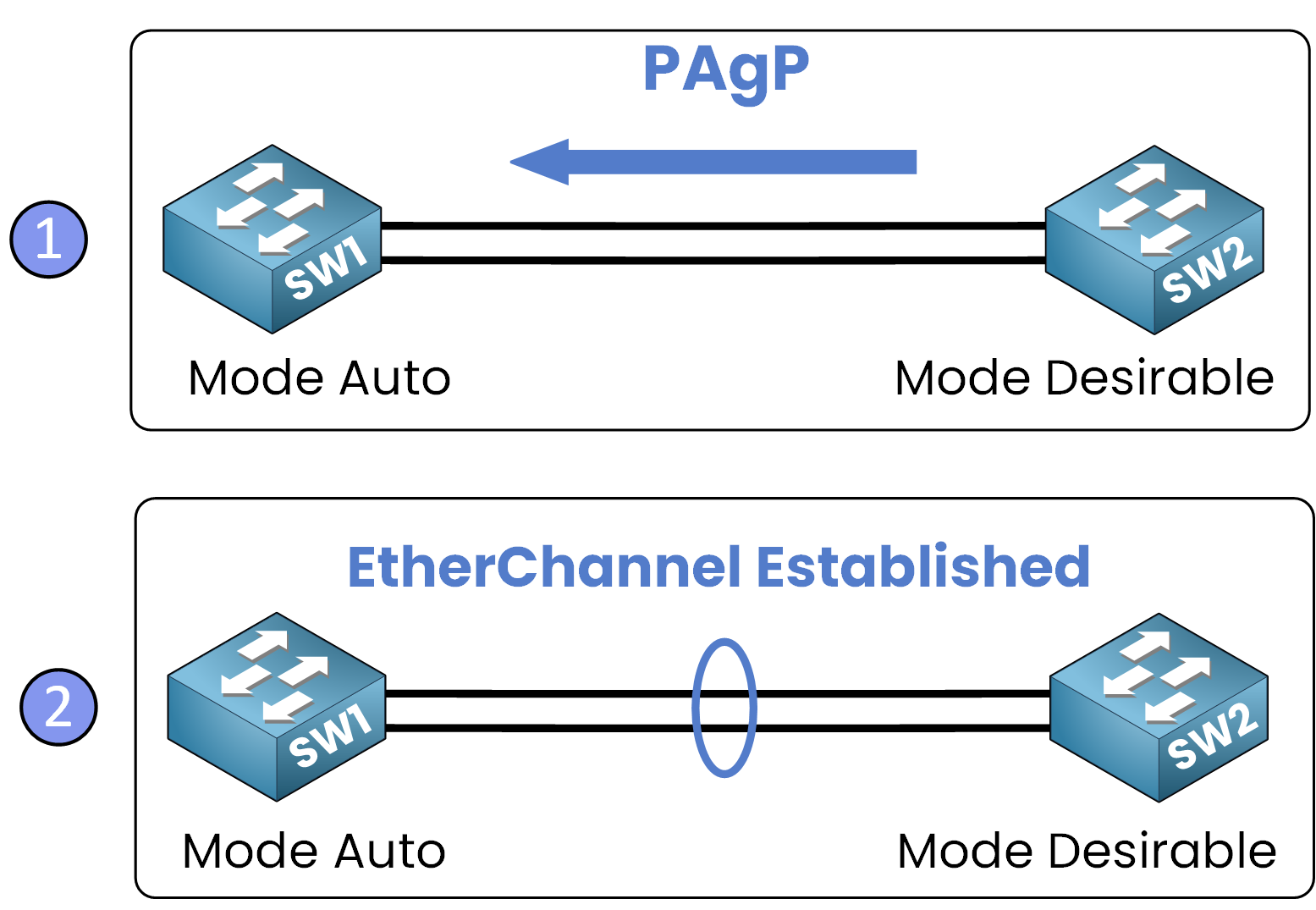
Figure 4 – PAgP modes (desirable and auto)
An interface in desirable mode actively sends PAgP packets to negotiate the bundle.
An interface in auto mode stays quiet and only replies if the neighbor speaks first.
Answer the question below
Which PAgP mode initiates the negotiation?
LACP: Active and Passive
LACP (Link Aggregation Control Protocol) is the open standard, originally defined in IEEE 802.3ad and now maintained in IEEE 802.1AX.
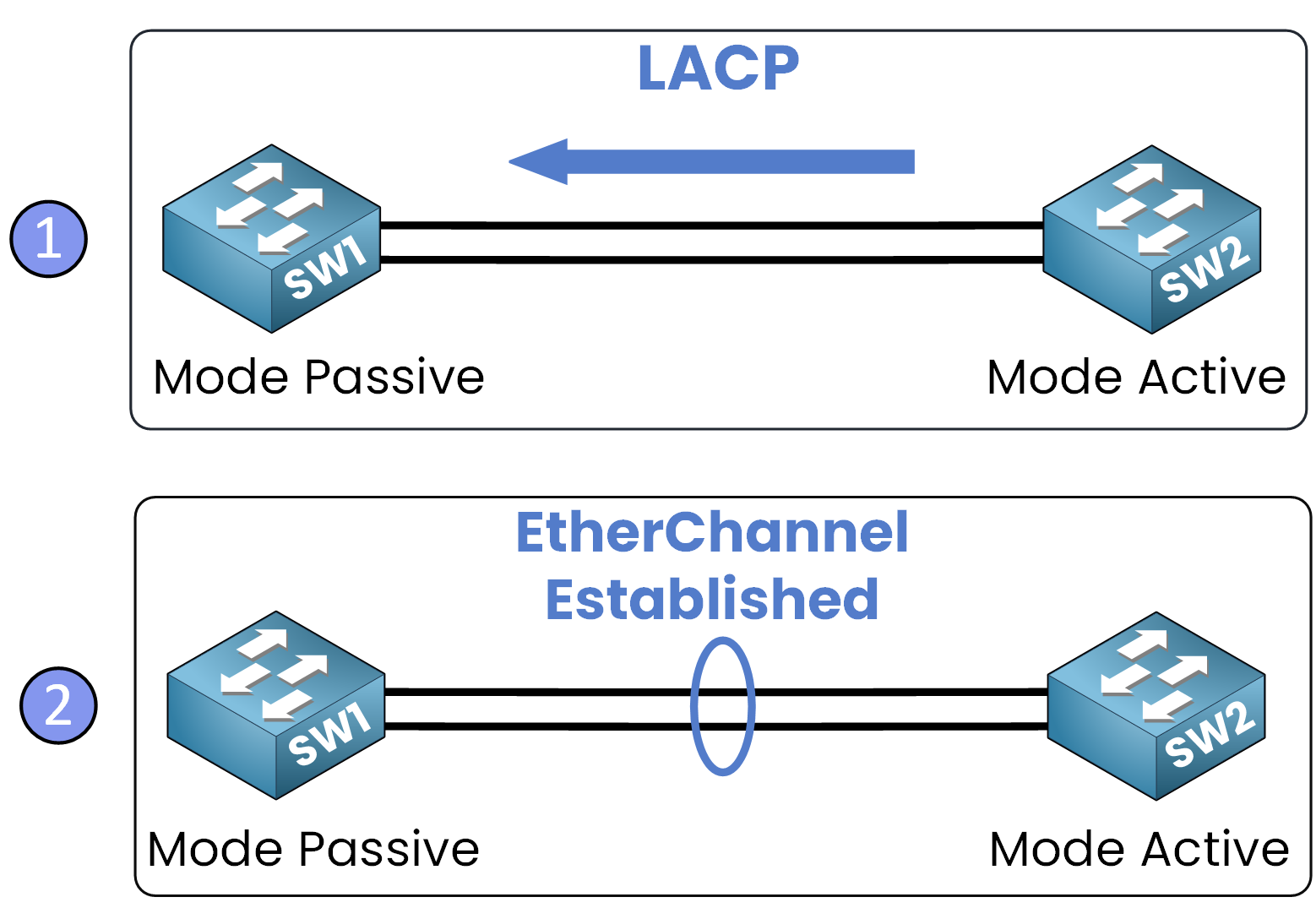
Figure 5 – LACP modes (active and passive)
40 % Complete: you’re making great progress
Ready to pass your CCNP exam?