Modern data centers host thousands of virtual machines distributed across many physical servers.
This creates a significant networking challenge for engineers.The VLAN Scalability Problem
These virtual machines require Layer 2 connectivity.
They must behave as if they are on the same switch, even across different racks or buildings.Traditional VLANs cannot meet this demand.
The 802.1Q standard uses a 12-bit VLAN ID field, which limits you to 4094 VLANs across your entire infrastructure.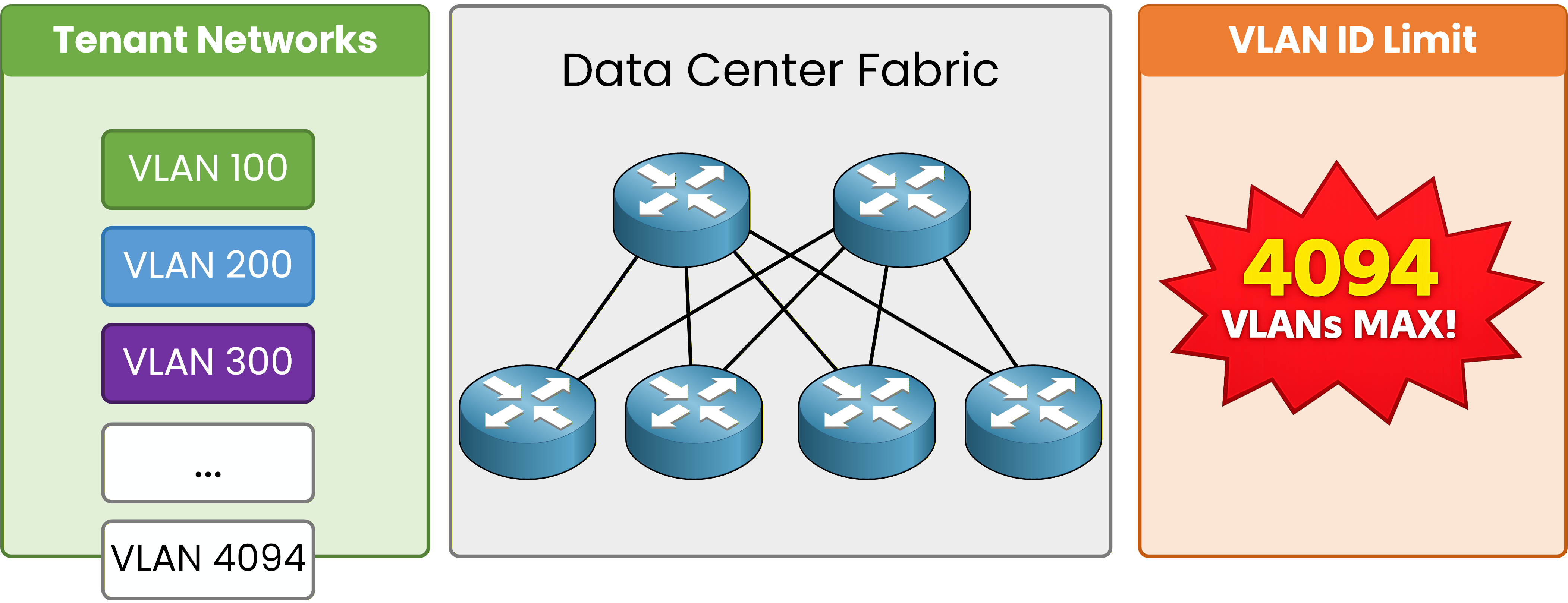
Figure 1 – VLAN scalability limitation in a multi-tenant data center
In a multi-tenant data center where each customer requires isolated network segments, that ceiling is reached quickly.
There is a second problem.
Modern data centers use a routed spine-leaf architecture where every link is a Layer 3 link.
VLANs are a Layer 2 construct and cannot cross Layer 3 boundaries without complex workarounds.VXLAN as the Solution
VXLAN (Virtual eXtensible LAN), defined in RFC 7348, solves both problems.
It encapsulates Layer 2 Ethernet frames inside UDP packets, creating a virtual Layer 2 network that travels freely across any Layer 3 infrastructure.
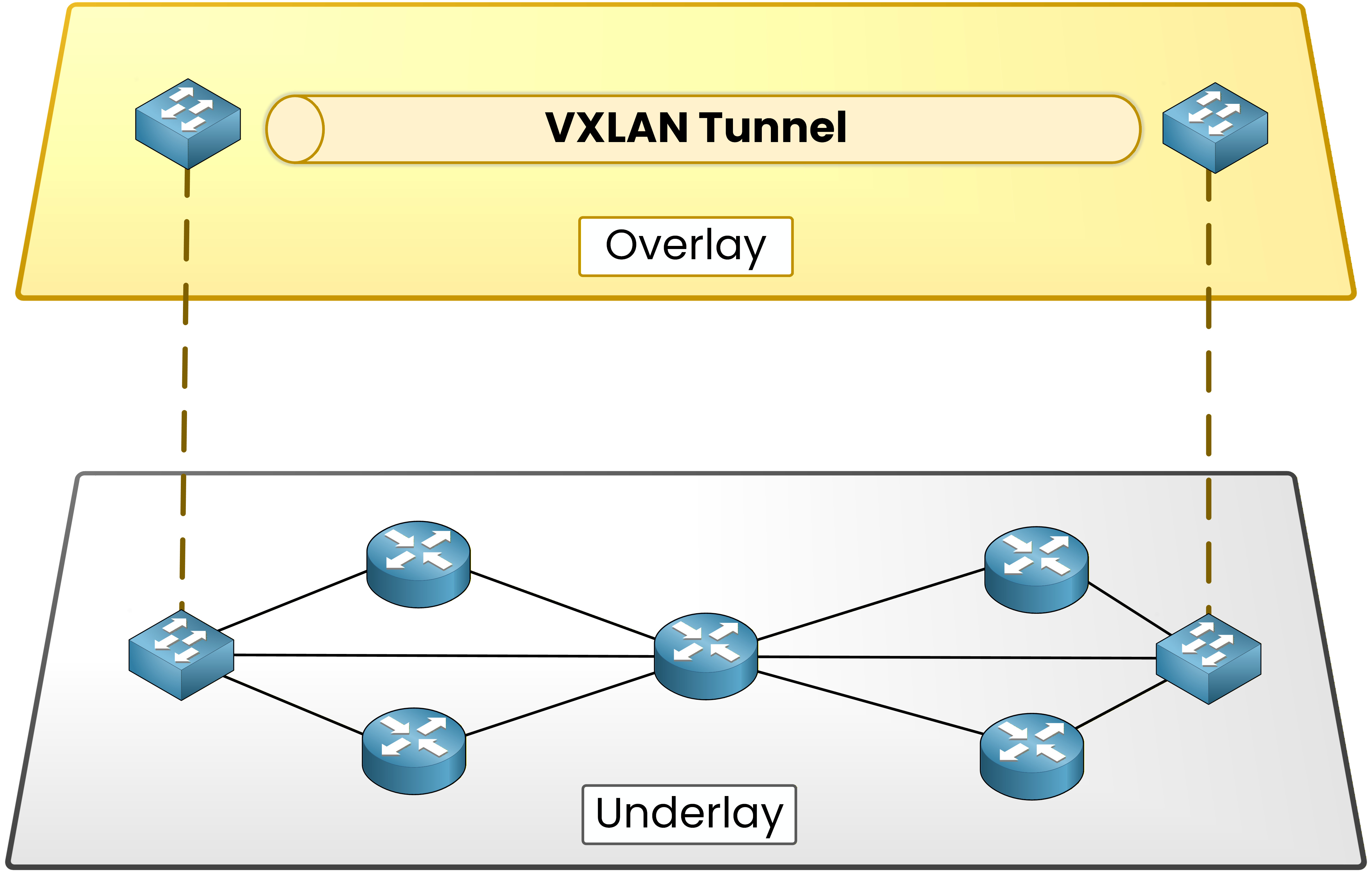
Figure 2 – The VXLAN
Instead of a 12-bit VLAN ID, VXLAN uses a 24-bit VNI (VXLAN Network Identifier).
That is over 16 million unique segments, enough for any multi-tenant environment at any scale.Answer the question below
What is the maximum number of VLANs supported by 802.1Q?
VXLAN is built on a two-layer model: a physical IP network below, and a virtual Layer 2 network above.
Understanding this separation is the foundation of everything that follows.The Underlay Network
The underlay is your physical IP network.
In a data center, this is typically a routed spine-leaf fabric where every switch runs a routing protocol such as OSPF or BGP.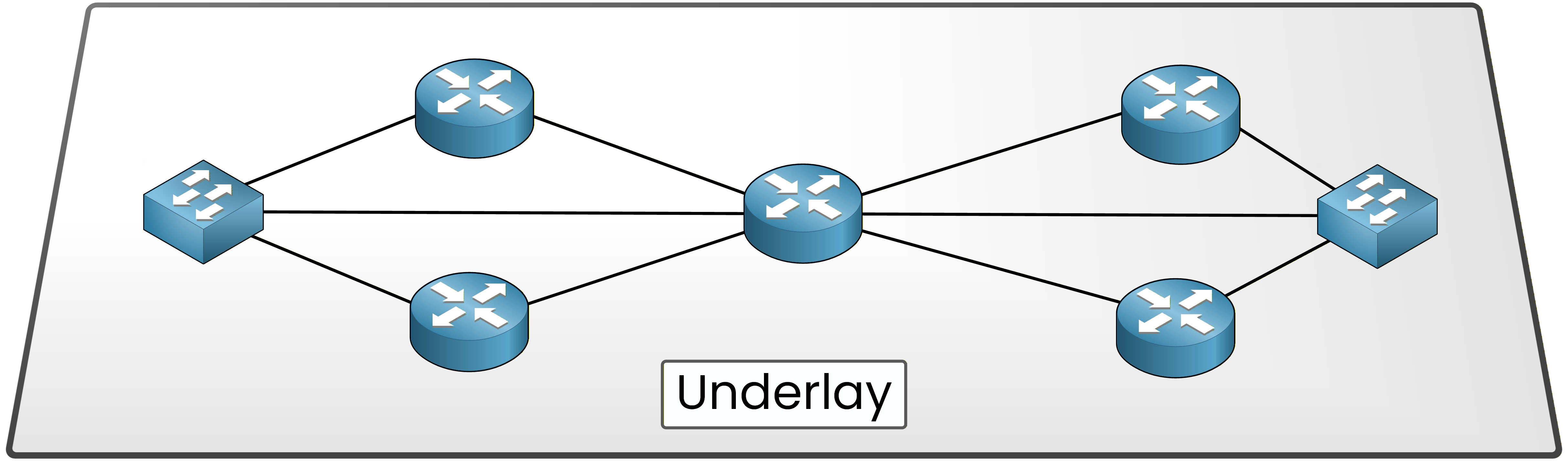
Figure 3 – The underlay IP fabric: a routed spine-leaf network carrying VXLAN traffic
The underlay has one job: forward IP packets between devices.
It carries VXLAN-encapsulated traffic without knowing anything about the virtual networks inside.Answer the question below
What type of network forwards VXLAN-encapsulated packets?
The Overlay Network
The overlay is the virtual Layer 2 network built on top of the underlay.
Each VNI defines one isolated segment.
VMs inside the same VNI communicate as if they share the same switch, regardless of where they physically sit in the fabric.
40 % Complete: you’re making great progress
Ready to pass your CCNP exam?