In the previous lesson, you saw how a Next-Generation Firewall (NGFW) inspects traffic and blocks threats at the network edge.
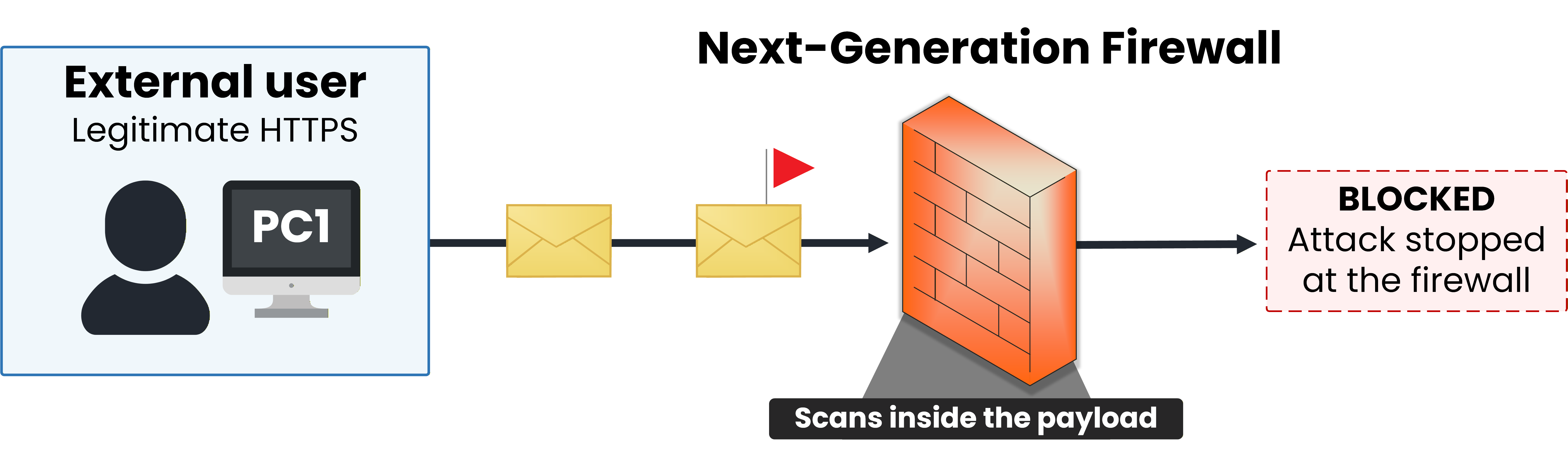
Figure 1 – An NGFW inspects and blocks known threats at the network edge
A firewall alone is not enough.
Modern attacks unfold over time, so your security needs to cover more than a single inspection point.
This coordinated approach is called threat defense.Every major vendor has its own implementation.
The one you need to know here is Cisco's.The Attack Continuum
Cisco describes threat defense using a framework called the attack continuum.
The idea is that every attack has three phases, and each phase needs different capabilities.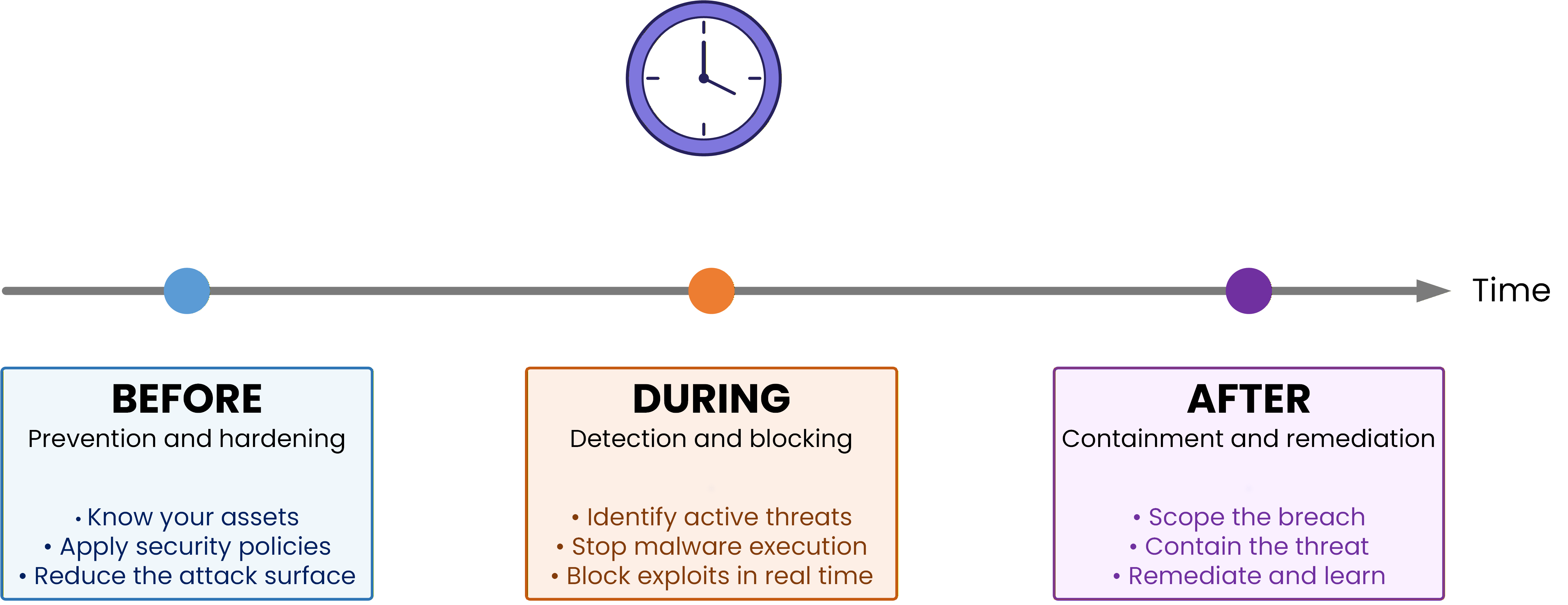
Figure 2 – The attack continuum covers Before, During, and After
Each phase has its own goals:
Before, you know your assets, apply security policies, and reduce the attack surface
During, you detect active threats, stop malware execution, and block exploits in real time
After, you scope the breach, contain the threat, and remediate what was compromised
No single product covers all three phases.
Threat defense is the set of tools that, together, fills every phase of the continuum.Answer the question below
Which phase of the attack continuum covers containment and remediation?
Why One Device Is Not Enough
A Next-Generation Firewall mostly operates in the During phase.
It inspects and blocks traffic in real time as it passes through your network.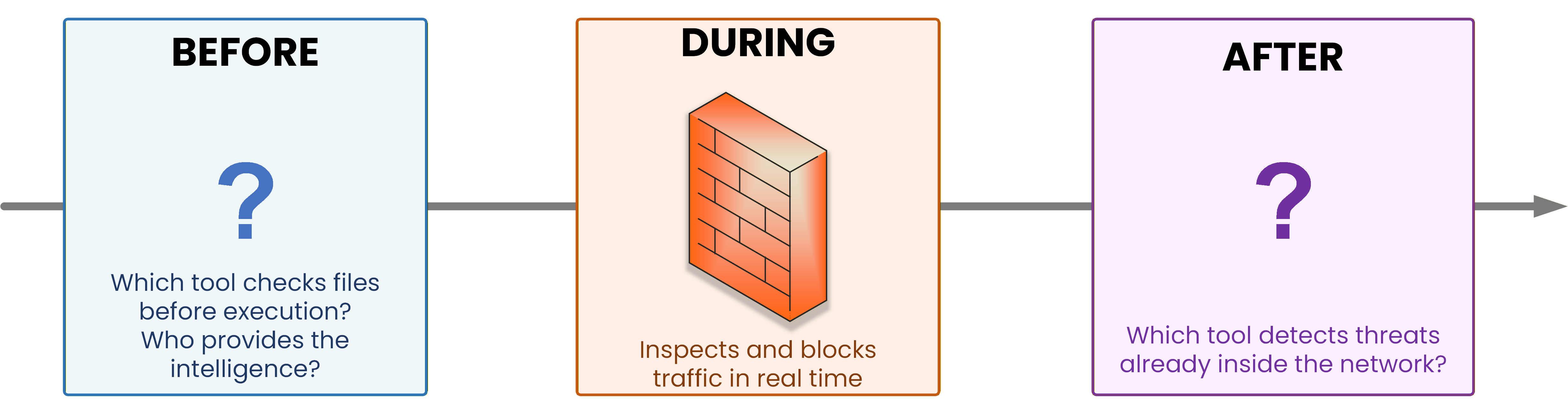
Figure 3 – A single firewall covers only the During phase
Two questions remain open on the sides of the continuum.
On the Before side: which tool checks files before execution, and who provides the intelligence?
On the After side: which tool detects threats already inside your network?In the Cisco portfolio, three products cover these gaps:
Cisco Talos for threat intelligence
Cisco AMP (Malware Defense) for file-level defense
Network Analytics (Stealthwatch) for post-breach detection
Answer the question below
Which phase of the attack continuum does a single NGFW mostly cover?
Before any tool can detect or block a threat, it needs to know what that threat looks like.
For Cisco products, that knowledge comes from Cisco Talos.What Cisco Talos Is
Talos is Cisco's threat intelligence team, a group of security researchers backed by a global data collection network.
According to Cisco, Talos processes each day:
16 billion web requests
600 billion emails
1.5 million unique malware samples
From that raw data, Talos produces reputations, signatures, and IoCs that Cisco security products consume.
How Talos Feeds the Products
Talos is not tied to a single phase of the attack continuum.
It sits above the timeline and feeds every Cisco security product on its phase.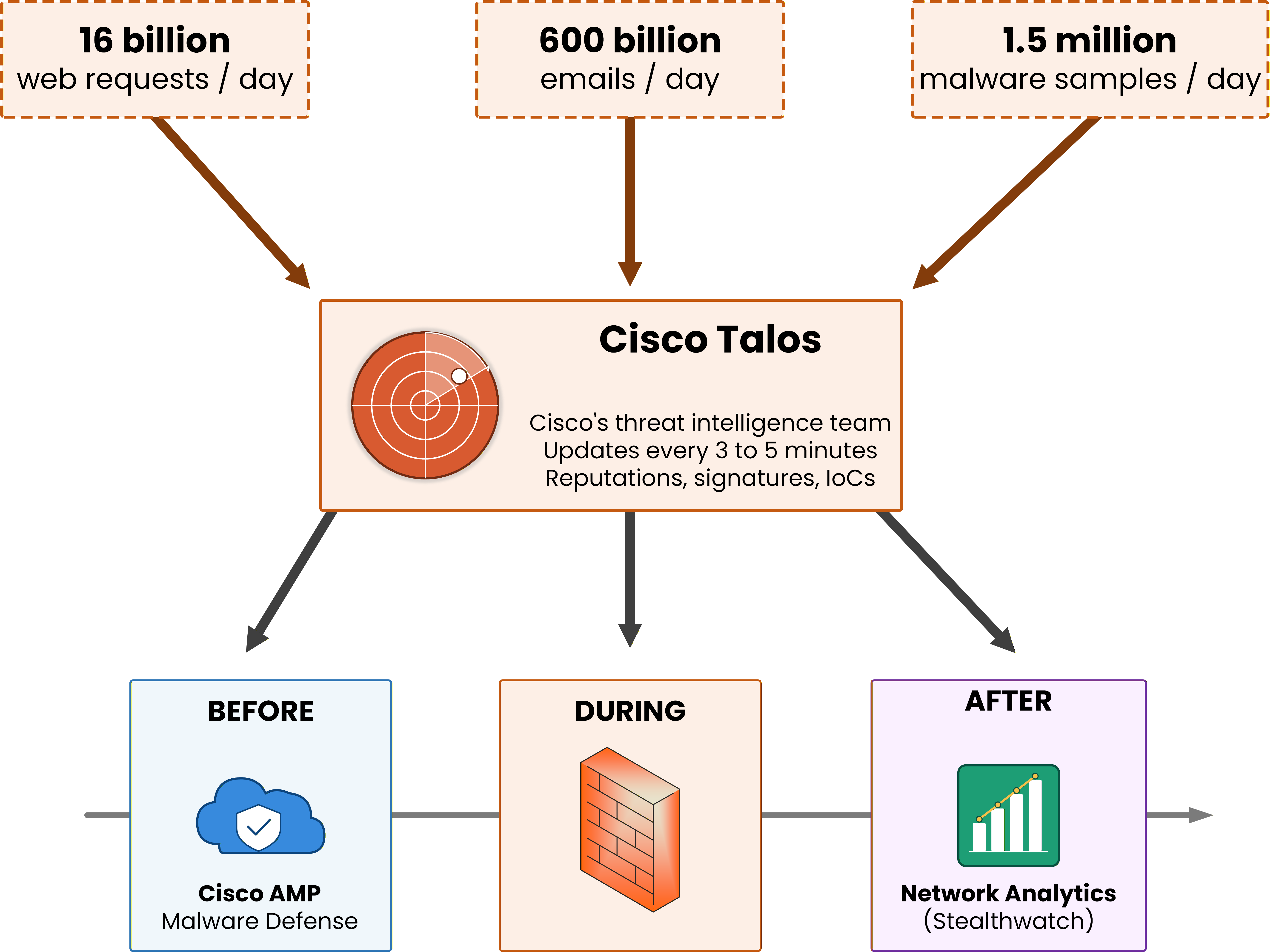
Figure 4 – Talos sits above the continuum and feeds each product on its phase
The intelligence comes in three main forms:
Reputations, scores for IPs, domains, URLs, and files
Signatures, patterns that identify known malware and exploits
IoCs (Indicators of Compromise), concrete traces left by an attack such as a malicious IP, a suspicious file hash, or a known attacker domain
Each product uses a different slice of this data.
Your NGFW applies signatures to block known attacks.
Cisco AMP uses file reputations to flag malicious files.
Network Analytics uses IoCs to spot ongoing breaches.
Updates are pushed to every connected product every 3 to 5 minutes.Answer the question below
Which Cisco organization produces the threat intelligence that feeds Cisco security products?
Intelligence alone does not stop attacks.
Two Cisco products act on that intelligence, at different moments.
Cisco AMP works both before and during an attack: it blocks known malicious files on sight, and sandboxes unknown ones to catch zero-day malware.
Network Analytics detects what slipped through, after the fact.Cisco AMP (Malware Defense)
Cisco AMP, also called Malware Defense, inspects files entering your network.
When an incoming file arrives, Cisco AMP runs a hash lookup in its reputation database.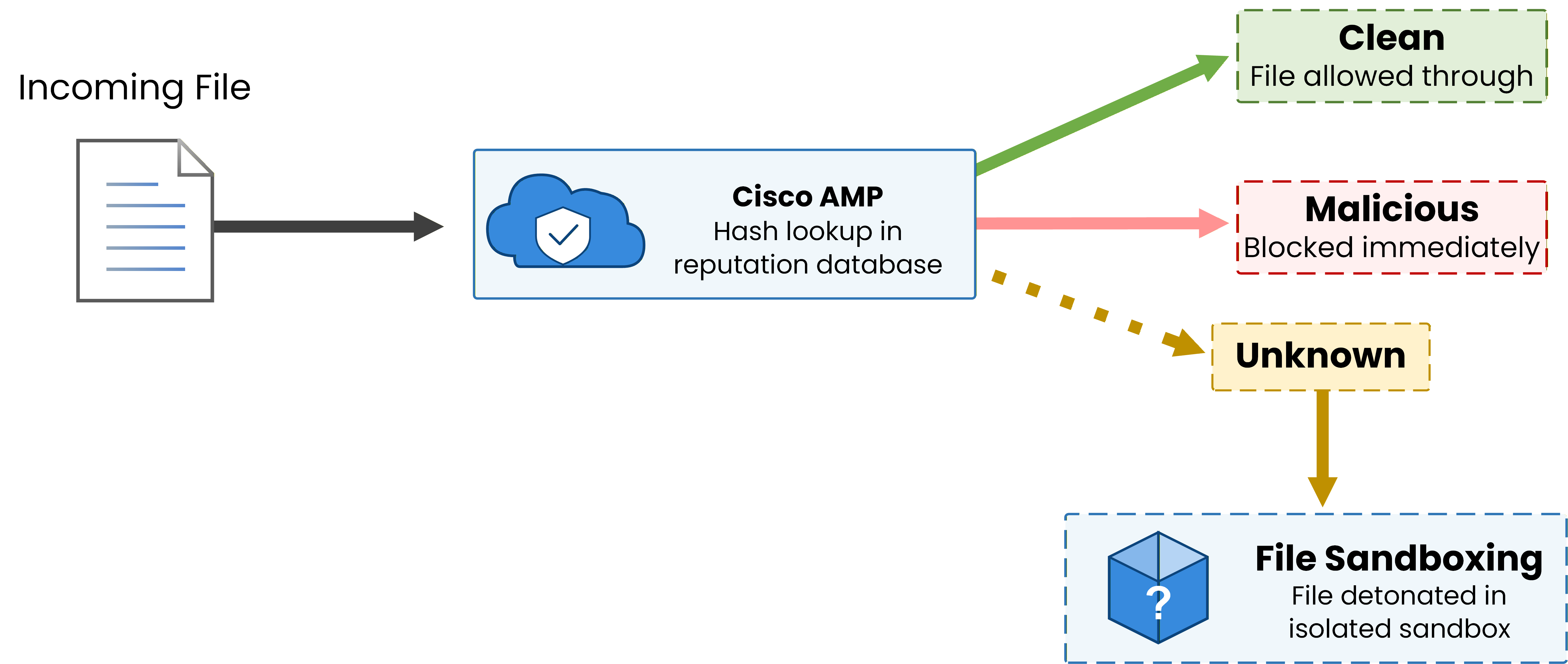
Figure 5 – AMP checks the file, sandbox analyzes the unknown
The hash lookup returns one of three verdicts:
Clean, the file is allowed through
Malicious, the file is blocked immediately
Unknown, the file has not been seen before, so it is sent to File Sandboxing
File Sandboxing runs the file in an isolated environment and observes its behavior.
Cisco calls this service Secure Malware Analytics, formerly Threat Grid.
If the file behaves like malware, the verdict is sent back to Cisco AMP, and other AMP deployments can block the same file by its reputation.That sandbox step is what lets Cisco AMP catch zero-day malware, meaning files with no signature yet.
Answer the question below
Which AMP verdict triggers a file to be sent to File Sandboxing?
Network Analytics (Stealthwatch)
Even with a firewall and Cisco AMP in place, some attacks still land inside your network.
Detecting them is the job of Network Analytics, formerly Stealthwatch.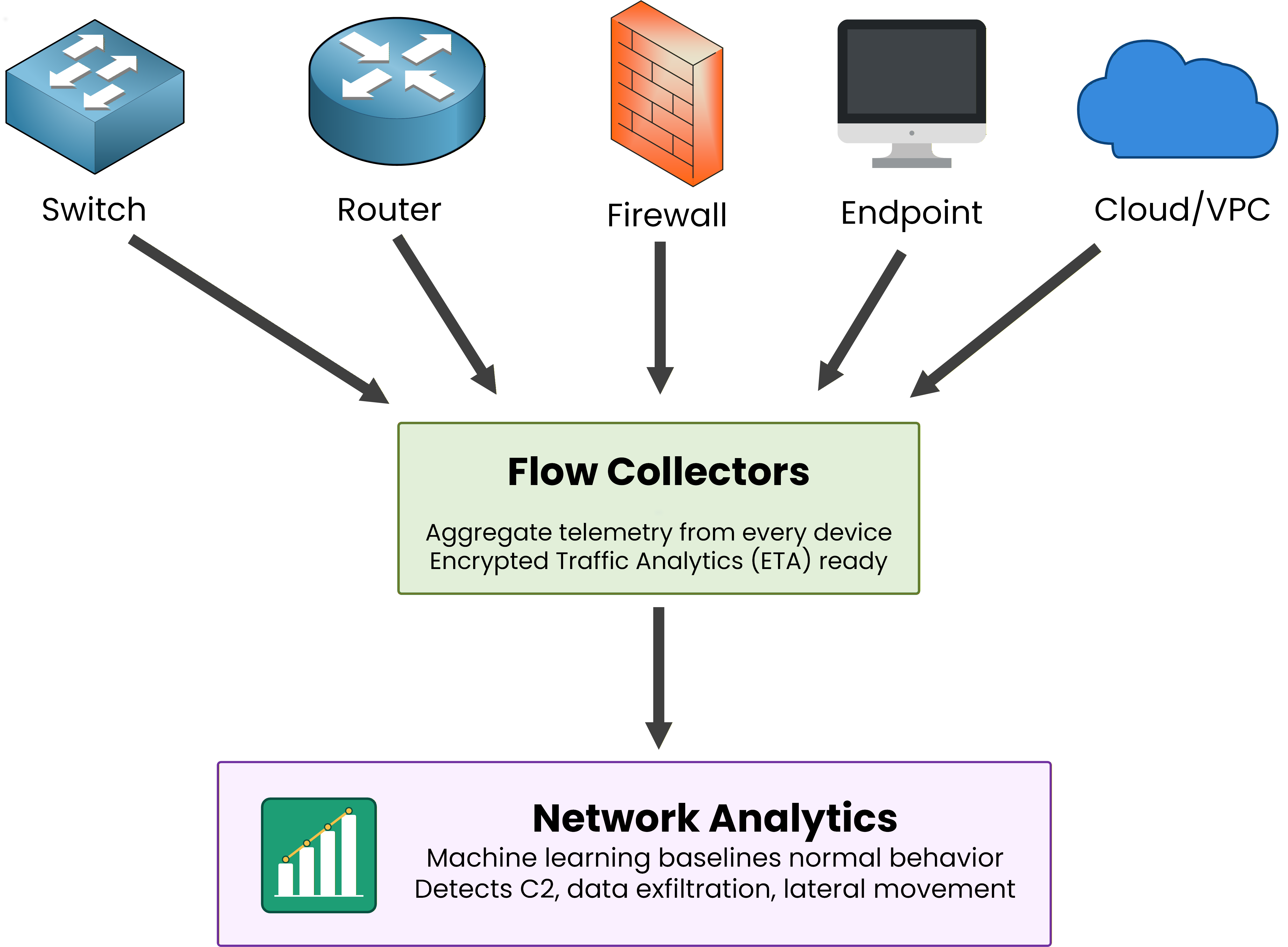
Figure 6 – Flow telemetry feeds behavioral analytics
Your switches, routers, firewalls, endpoints, and Cloud/VPC export flow data using NetFlow or IPFIX.
Flow Collectors aggregate this telemetry from every device.
Network Analytics then runs machine learning on it to baseline normal behavior and flag deviations.Typical detections include command-and-control (C2) traffic, data exfiltration, and lateral movement inside your network.
One capability worth knowing is detecting threats inside encrypted traffic, without decrypting anything.
Cisco calls this Encrypted Traffic Analytics (ETA).
It analyzes metadata patterns such as packet sizes and timing.Answer the question below
What Cisco capability detects threats inside encrypted traffic without decrypting it?
What to Remember
Each Cisco product maps to a specific part of the continuum:
Talos produces the threat intelligence that feeds the other tools
NGFW and Cisco AMP act before and during an attack, on traffic and files
Network Analytics detects what happens after, inside your network
Other vendors offer equivalent products under different names.
The Cisco ones are the names to remember.In the next lesson, you will see how endpoint security extends this defense down to each device connected to your network.
Answer the question below
What Cisco product uses NetFlow telemetry and machine learning to detect threats already inside your network?
Answer the question below
A file already sandboxed as malware at branch A reaches B and C: how many new sandbox runs?