In the previous lesson, you learned that multicast allows a source to send a single stream to multiple receivers.
One key question remains.How does your router know which hosts want to receive a given multicast group?
The Role of IGMP
This is the role of IGMP (Internet Group Management Protocol), defined in RFC 2236 (IGMPv2) and RFC 3376 (IGMPv3).
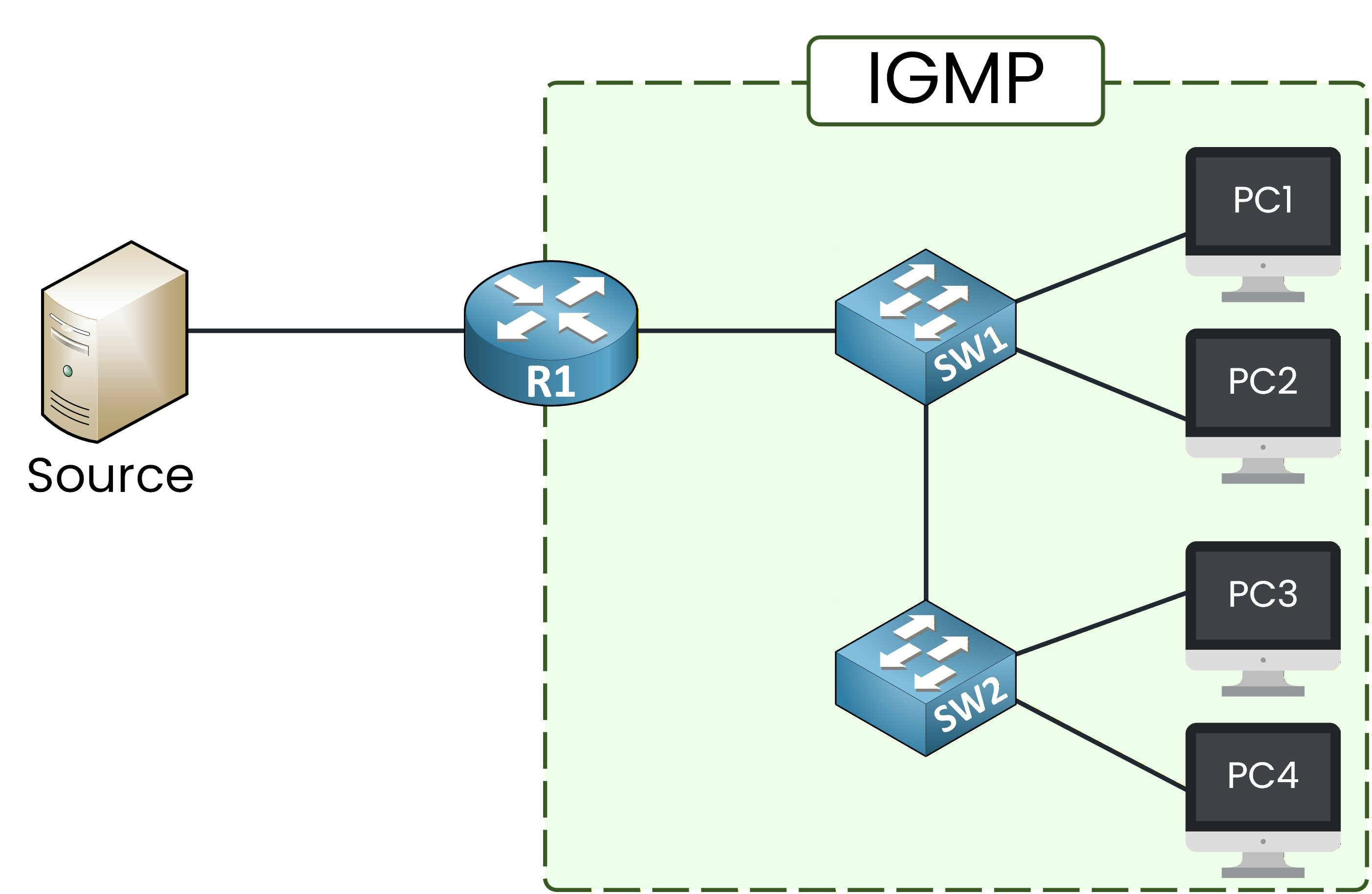
Figure 1 – IGMP sits between hosts and the router
IGMP operates between hosts and the first router.
It allows hosts to signal which multicast groups they want to join or leave.The Router’s Problem
Imagine your server starts sending a multicast stream to group 239.1.1.1.
The traffic arrives at R1. Unlike unicast, where the destination IP identifies a single host, a multicast address represents a group.
Without IGMP, the router cannot identify interested receivers.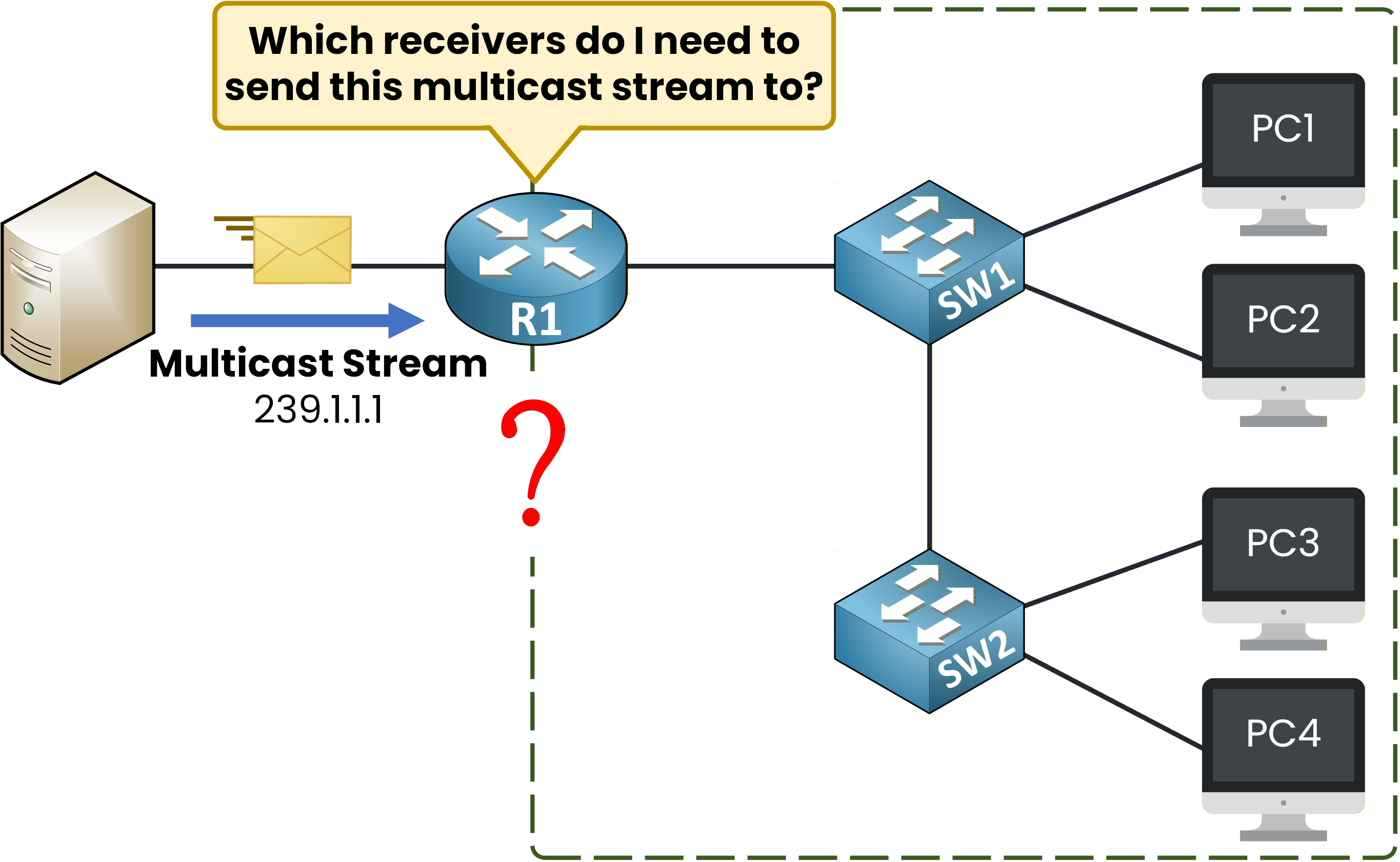
Figure 2 – R1 does not know which hosts want the stream
If R1 forwards the stream to all hosts, bandwidth is wasted on uninterested devices.
If it drops the stream, interested receivers get nothing.
IGMP solves this by giving hosts a way to tell R1 exactly which groups they want to receive.
Your router then maintains a list of active group memberships per interface.Answer the question below
Which protocol allows hosts to signal multicast group membership to their router?
You now know that IGMP lets hosts tell the router which groups they want.
But how does this conversation actually happen on the wire?
IGMP uses two core message types: the Membership Query and the Membership Report.IGMP Membership Query
Your router periodically sends an IGMP Membership Query to the all-hosts multicast address 224.0.0.1.
This message is sent to all hosts on the segment to ask if they want to receive multicast traffic for a group.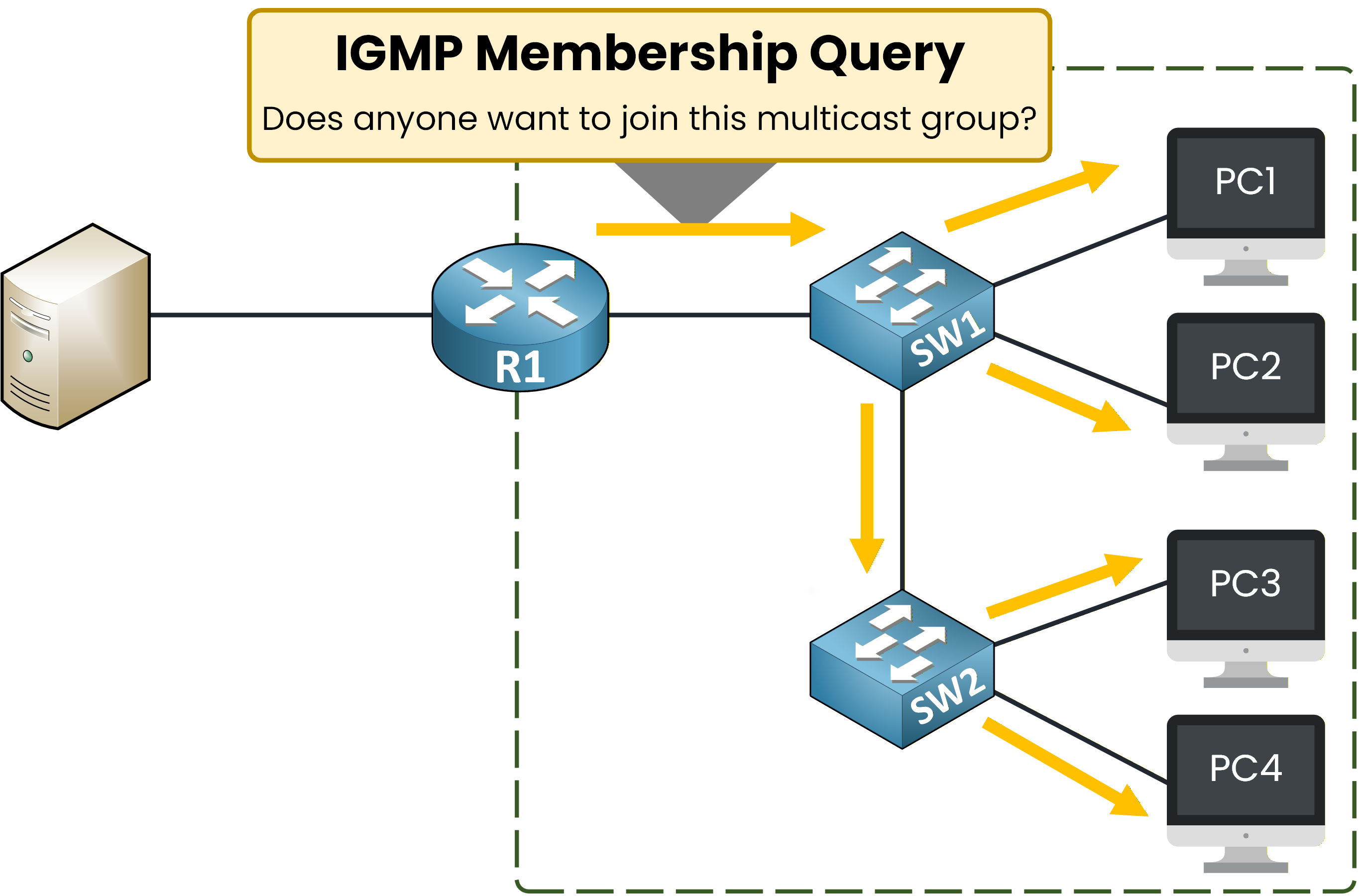
Figure 3 – R1 sends an IGMP Membership Query to all hosts
The query is sent to 224.0.0.1, which means every multicast-capable host on the segment receives it.
By default, your router sends a General Query at regular intervals (the default is 125 seconds per RFC 2236, 60 seconds on Cisco IOS routers).There are two types of queries.
A General Query asks about all groups.
A Group-Specific Query targets one specific group address and is used when your router needs to confirm whether any host still wants that particular group.
IGMP Membership Report
When a host wants to join a multicast group, it responds with an IGMP Membership Report.
This report tells your router: "I want to receive traffic for group 239.1.1.1."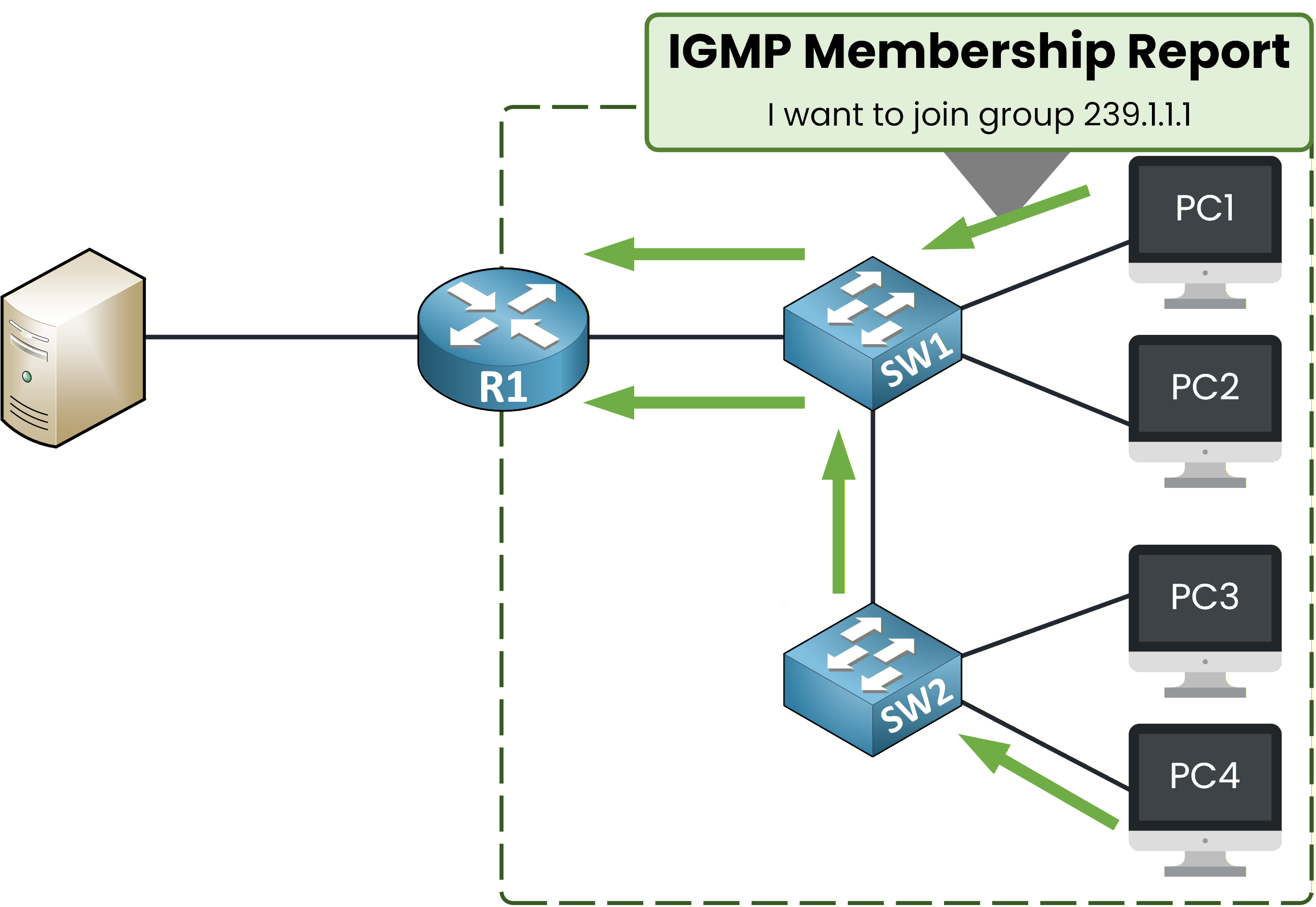
Figure 4 – Hosts send an IGMP Membership Report to join group 239.1.1.1
A host can send an unsolicited Report without waiting for a query.
This is called an IGMP Join and it happens when a host first decides to receive a group.
The router immediately adds the group to the interface membership list.Answer the question below
What is the name for an unsolicited Report sent by a host to join a group?
Multicast Stream Delivery
At this point, your router has received Reports and knows exactly which interfaces have interested receivers.
What happens next?40 % Complete: you’re making great progress
Ready to pass your CCNP exam?