Your group is up, with R1 Active and R2 Standby. Now let's see what happens when the Active router fails: how fast does the group notice, and what exactly happens next?
Hello and Hold Timers
The two routers exchange Hello packets to prove they are alive.
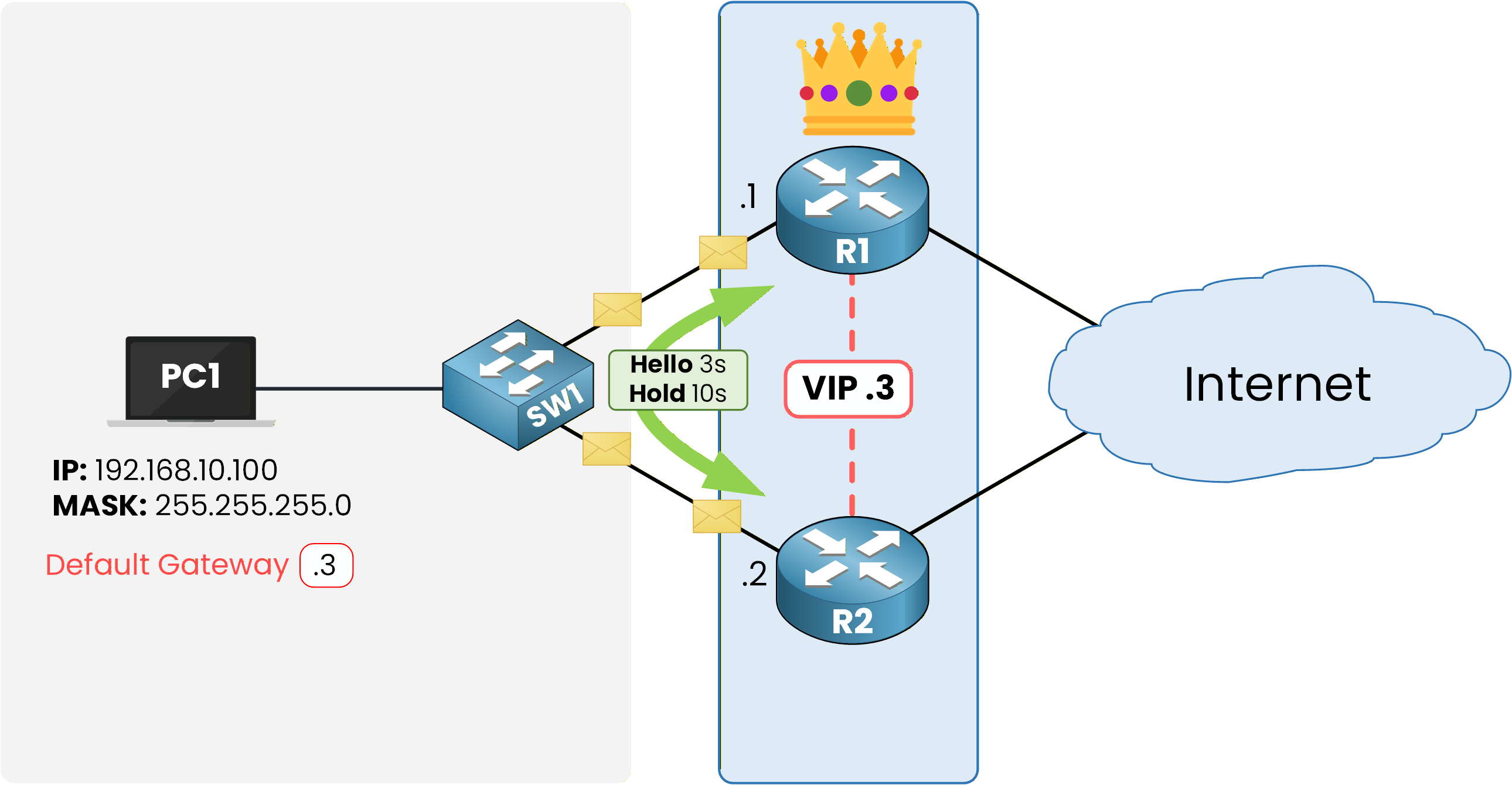
Figure 1 – Hello and Hold timers between the two routers
The Hello timer sets the sending interval, 3 seconds by default.
The Hold timer sets how long a router waits without Hellos before declaring its peer down, 10 seconds by default.
The HSRP Failover Process
Now assume R1, the Active router, loses power.
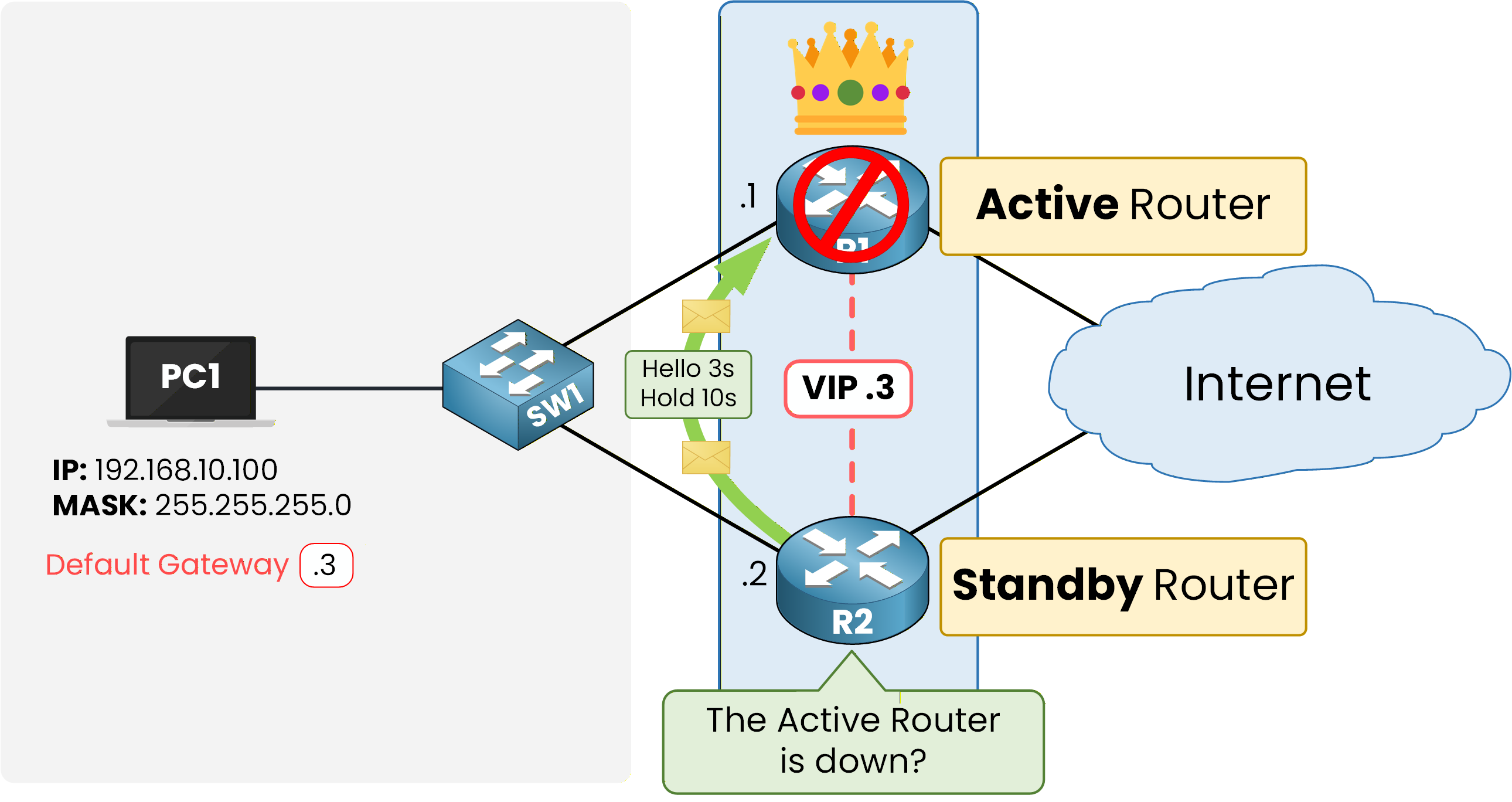
Figure 2 – The Active router fails and the Hellos stop
The Hellos stop instantly.
R2 keeps counting: no Hello after 3 seconds, still nothing at 6, then at 9.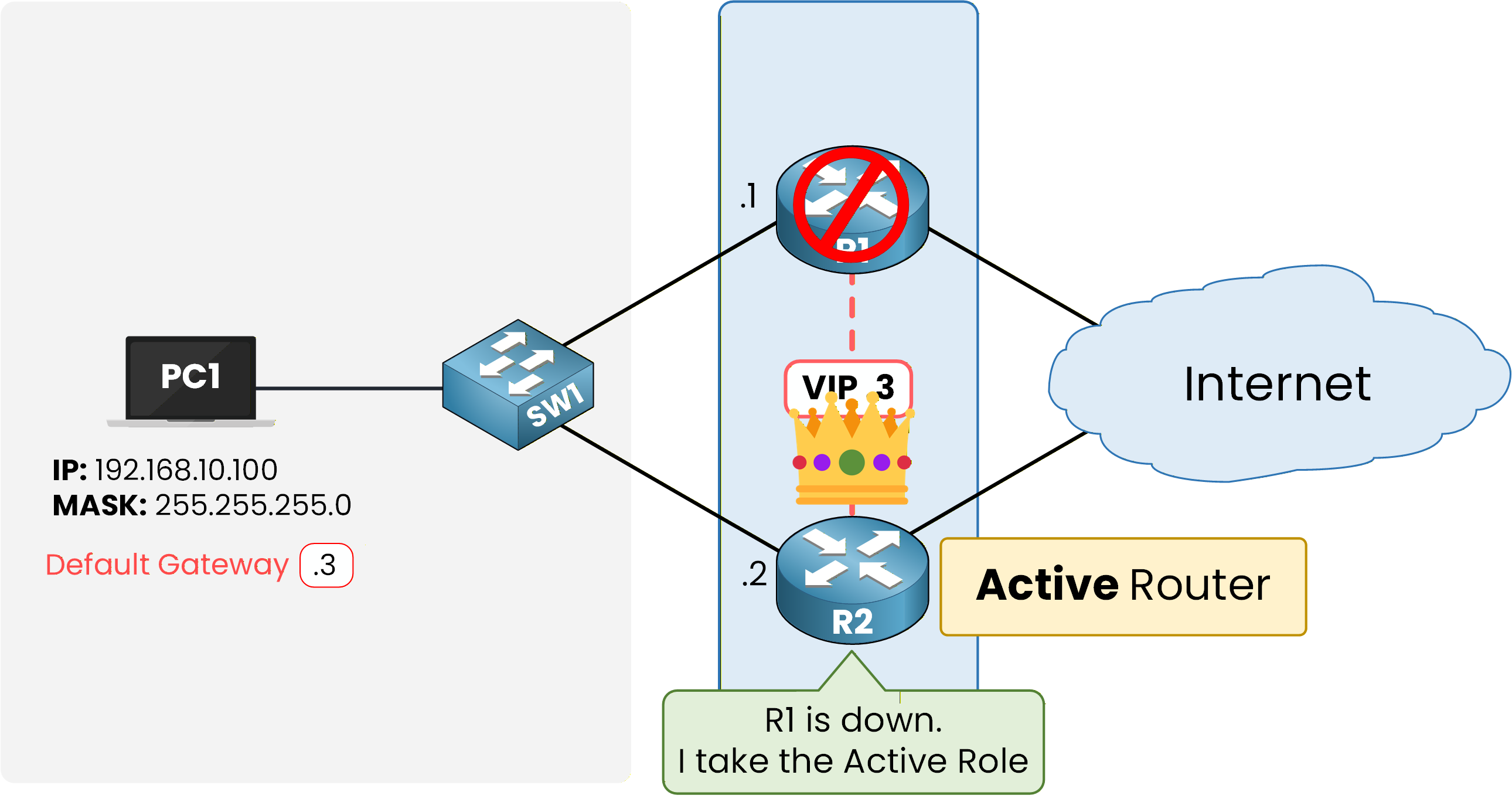
Figure 3 – R2 takes the Active role after the Hold timer expires
40 % Complete: you’re making great progress
Ready to pass your CCNP exam?