In the previous lesson, R2 took over the moment R1 stopped sending Hellos.
R1 comes back online with its priority of 110. Does it reclaim the Active role?
Without Preemption
R1 runs priority 110 and is the Active router; R2 sits at the default priority of 100 and stays in Standby.
Now imagine R1 fails: R2 takes over as Active, just like in the previous lesson. R1 then comes back online.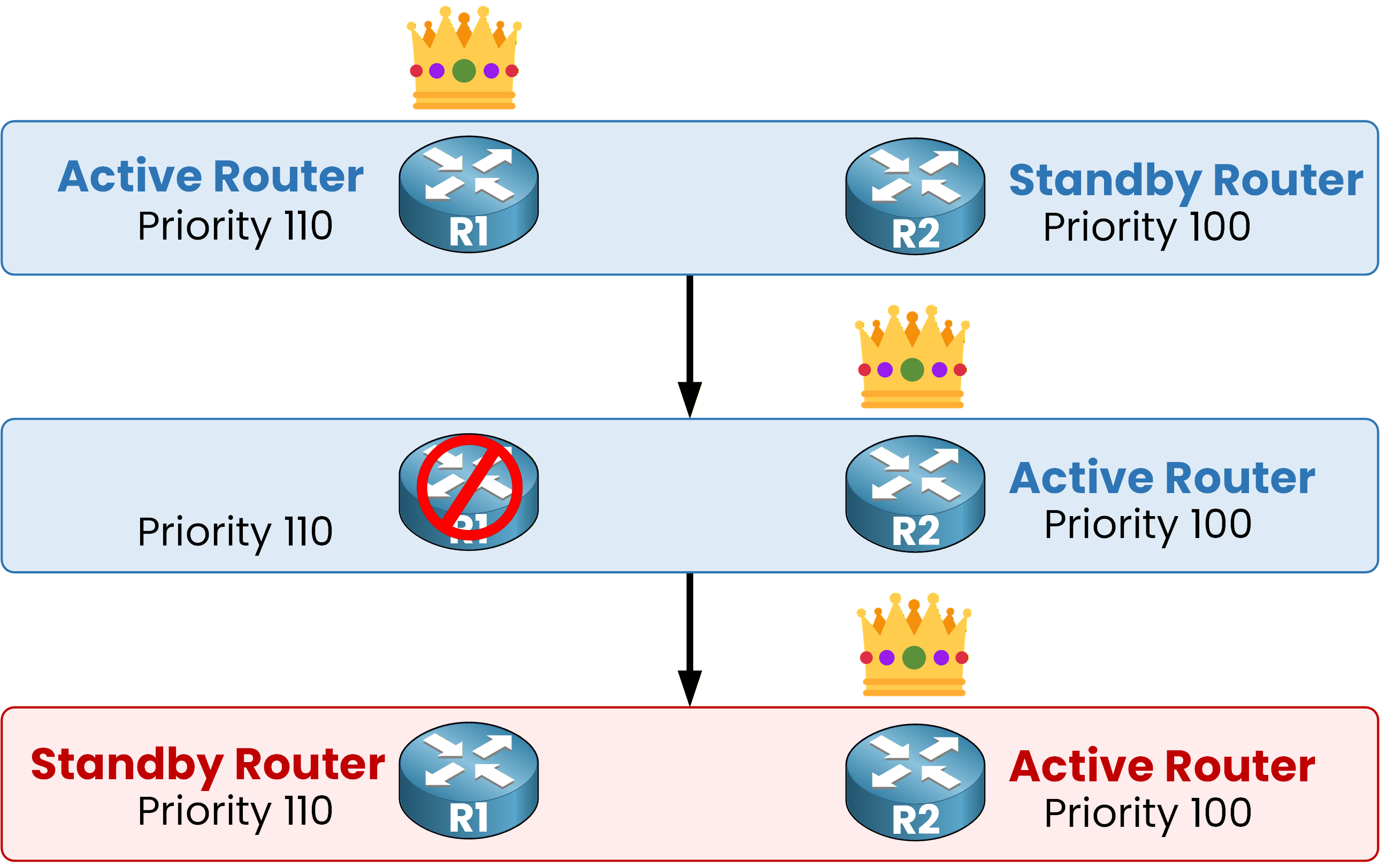
Figure 1 – Without preemption, R1 stays Standby after recovery
By default, no: R2 stays Active even after R1 recovers.
A role only changes when the current Active router disappears, never just because a higher-priority router shows up.
Preemption is disabled by default, so R1 rejoins as Standby and waits there, regardless of its priority.Answer the question below
Without preemption, which router stays Active after R1 recovers?
With Preemption
Now enable preemption on R1:
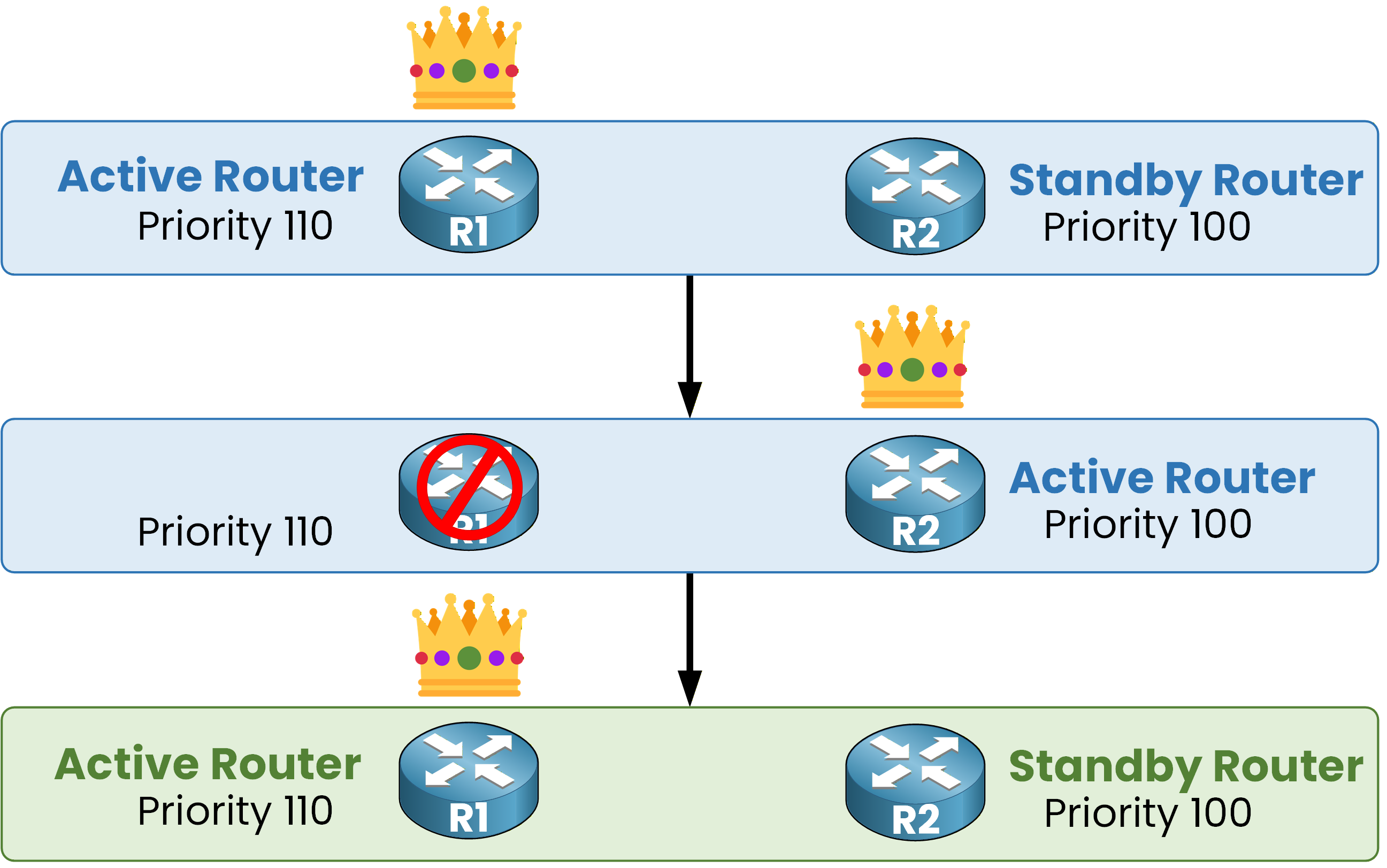
Figure 2 – With preemption, R1 reclaims the Active role
As soon as R1 recovers, it compares priorities, sees 110 against 100, and takes the Active role back.
Let's configure preempt on R1 to see this in action:
R1# conf t
Enter configuration commands, one per line.  End with CNTL/Z.
R1(config)# int g0/0
R1(config-if)# standby 1 preempt
Preemption is a per-router, per-group setting.
Enabling it on R1 only allows R1 to reclaim the Active role; it has no effect on how R2 behaves.In most designs, you enable preemption on every router whose priority is high enough to justify becoming Active, so the group always converges back to the intended router. If a router should keep the Active role even after a higher-priority peer comes back online, simply leave preemption disabled on that peer.
Answer the question below
Does enabling preempt on R1 also enable it on R2?
In Real World Scenario
In production you rarely want an instant takeover.
A router that just booted may still be converging its routing protocols.
If it takes the Active role too early, it attracts traffic it cannot route yet, and that traffic is dropped.
You can add a delay so the router waits before preempting:R1(config-if)# standby 1 preempt delay minimum 60 R1(config-if)# endAnswer the question below
Which feature lets the highest-priority router reclaim the Active role?
HSRP has two versions.
They do not interoperate, and the virtual MAC address tells you instantly which one a group runs.40 % Complete: you’re making great progress
Ready to pass your CCNP exam?