SNMPv2c lacks security.
Community strings in SNMPv2c are transmitted in plain text, making them vulnerable to interception.
SNMPv3 was introduced to address these security concerns by adding robust mechanisms for authentication, encryption, and access control.
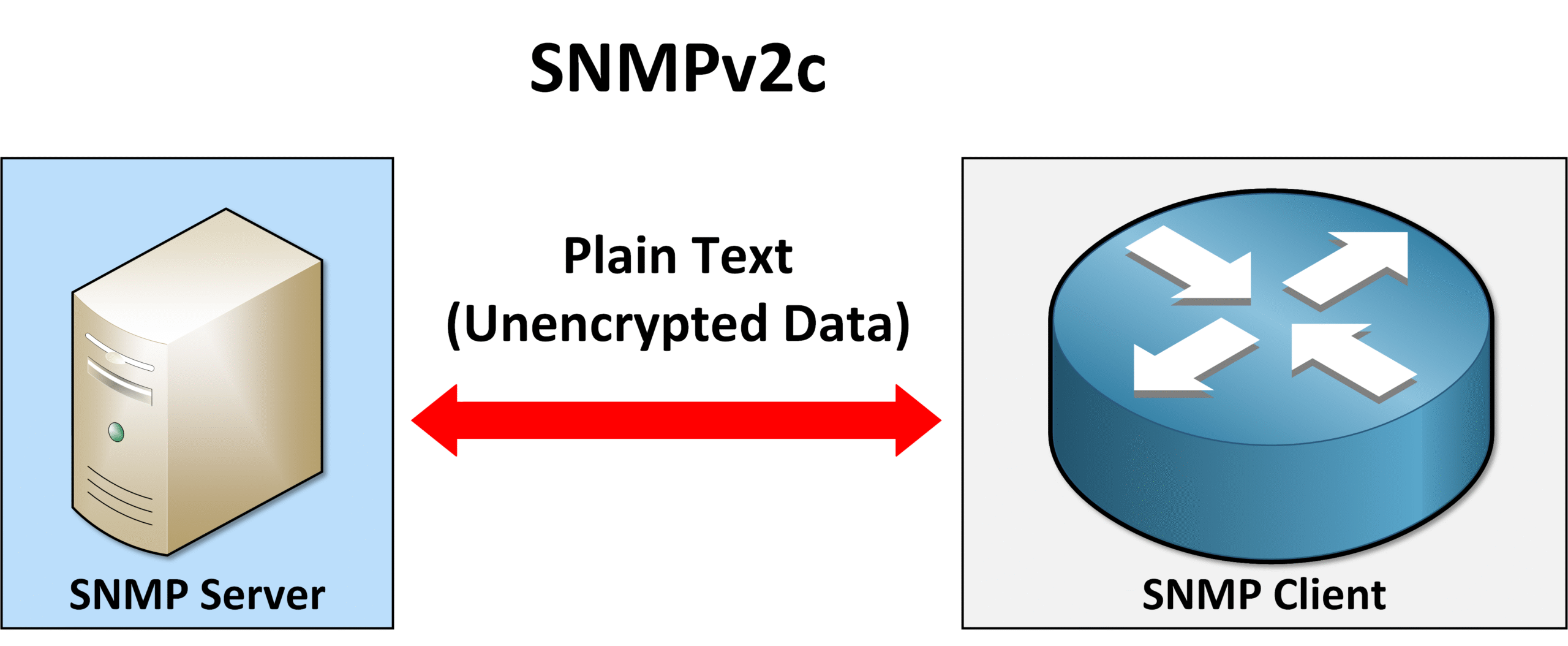
Figure 1 – SNMPv2c Transmits Data in Plain Text
Key reasons for using SNMPv3:
Protecting Sensitive Data: Prevents unauthorized access to monitoring and configuration data.
Ensuring Data Integrity: Verifies that data has not been altered during transmission.
User Authentication: Confirms that SNMP messages come from legitimate sources.
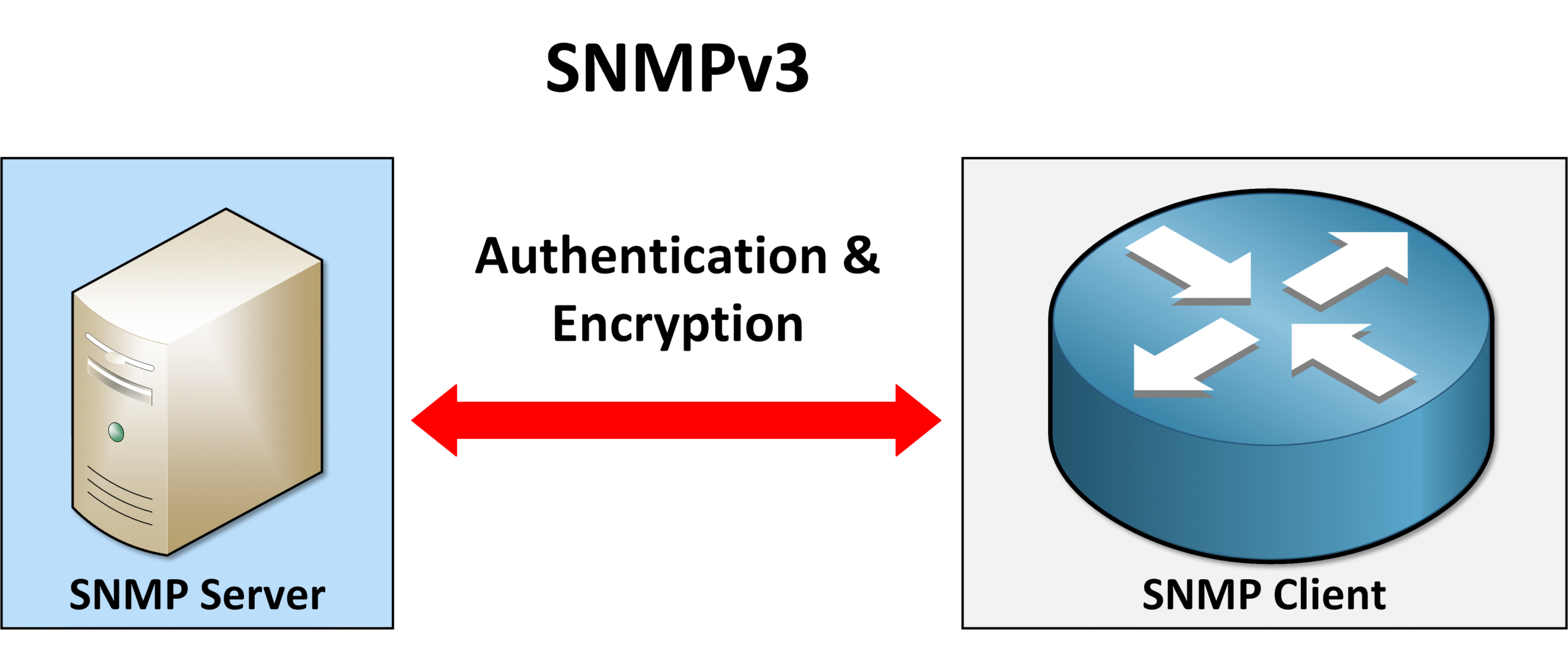
Figure 2 – SNMPv3 Provides Authentication and Encryption
Key Features of SNMPv3
SNMPv3 focuses on security and flexibility with these core features:
Authentication: Verifies the identity of devices accessing SNMP data.
Encryption: Protects SNMP data from unauthorized access during transmission.
Access Control: Restricts who can access specific SNMP information.
Answer the question below
Which SNMPv3 feature prevents SNMP data from being read in transit?
SNMPv3 offers three distinct security levels designed to balance security and performance. These levels, noAuthNoPriv, authNoPriv, and authPriv, determine the extent of authentication and encryption applied to SNMP communication.
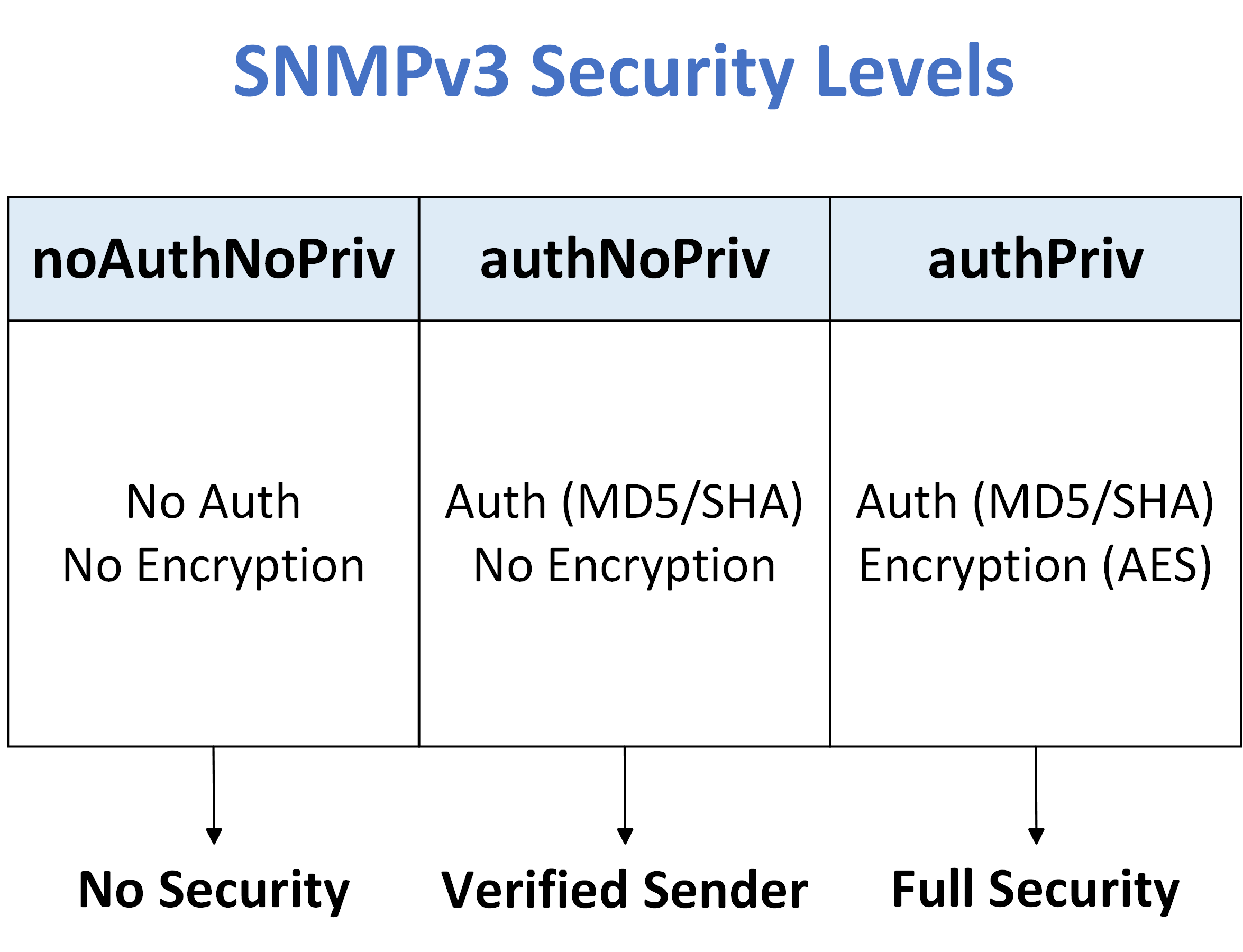
Figure 3 – SNMPv3 Security Levels
noAuthNoPriv Security Level
This level does not provide any authentication or encryption. Communication occurs in plain text, making it vulnerable to interception. It is primarily used in testing or debugging environments where security is not a concern. However, its lack of data protection makes it unsuitable for production networks.
authNoPriv Security Level
At this level, authentication is implemented to verify the identity of the sender, but the data remains unencrypted. It uses methods like HMAC-MD5 or HMAC-SHA for authentication.
This level is suitable for networks where ensuring the authenticity of messages is critical, but encryption is not required. While it prevents unauthorized devices from sending SNMP messages, it does not protect the transmitted data from being read.
authPriv Security Level
The highest level of security in SNMPv3, authPriv, provides both authentication and encryption. It uses HMAC-MD5 or HMAC-SHA for authentication and DES or AES for encrypting the data.
This level ensures both the integrity and confidentiality of data, making it ideal for sensitive environments. It protects against eavesdropping and tampering, offering robust access control and secure communication.
Answer the question below
Which SNMPv3 level provides both authentication and encryption?
SNMP has evolved over time to address growing network needs and security concerns. The three main versions (SNMPv1, SNMPv2c, and SNMPv3) differ significantly in terms of security, performance, and use cases.
Feature
SNMPv1
SNMPv2c
SNMPv3
Security
None
Community Strings
Authentication and Encryption
Performance
Basic Monitoring
Bulk Retrieval
Secure Bulk Retrieval
Best Use Case
Small Networks
Large Networks
Secure, Sensitive Environments
Table 1 – Comparison of SNMP Versions
The table above highlights the key differences between the three versions. While SNMPv1 is suitable for simple and small networks, SNMPv2c improved performance with bulk retrieval capabilities but still lacks robust security features.
SNMPv3, on the other hand, introduces authentication and encryption, making it the best choice for secure environments.
Choosing the right SNMP version depends on the requirements of your network:
SNMPv1 is a basic option suitable for networks with minimal complexity and no sensitive data. Its lack of security features makes it unsuitable for modern production environments.
SNMPv2c is ideal for larger networks that require efficient monitoring capabilities. However, because it relies on plain-text community strings for authentication, it should not be used in environments where security is a concern.
SNMPv3 is the most secure option, offering authentication, encryption, and access control. It is particularly well-suited for networks handling sensitive data or requiring strict confidentiality and integrity measures.
Answer the question below
Which SNMP version offers authentication and encryption?