CCNA vs Security+: Which One Should You Take First?
· 7 min read
Want to work in cybersecurity?
Then you've seen the Security+ everywhere.
In security job ads, 40% mention the Security+. Only 9% mention a CCNA.
In network job ads, it's the other way around: 49% mention the CCNA.
So the right pick depends on the job you're going for.
The Security+, explained
The Security+ is CompTIA's entry-level security cert. The Security+ shows you know the basics of protecting a company from attacks.
The exam covers five areas:
Security basics (16%): the core ideas, like who gets access to what.
Threats and attacks (24%): how attackers get in, from fake emails to weak passwords.
Secure design (19%): how to build networks and systems that are hard to break into.
Security operations (27%): the daily work of spotting attacks and fixing weak spots. It's the biggest part.
Rules and risk (14%): company policies, laws, and how to manage risk.
You get up to 90 questions in 90 minutes. Most are multiple choice, and some are hands-on: you solve a task on screen. To pass, you need 750 points on a scale of 100 to 900.
A new version of the exam starts on November 17, 2026. It adds more on AI risks, and the format stays the same.
The CCNA, explained
The CCNA is Cisco's networking cert. Cisco makes many of the routers and switches that companies use. The CCNA shows you can set up, run and fix a company network.
The exam covers six areas:
Network basics (20%): how data travels, the cables, and IP addresses.
Network access (20%): connecting devices with switches and Wi-Fi.
IP connectivity (25%): how data finds its way from one network to another. It's the biggest part.
IP services (10%): the services every network needs, like the one that hands out IP addresses.
Security basics (15%): passwords, access rules, VPNs and Wi-Fi security.
Automation (10%): how software and AI help run networks.
You get 120 minutes. Questions are multiple choice, drag and drop, and hands-on tasks.
Side by side
The two exams overlap on one area: network security. Firewalls, VPNs and Wi-Fi security show up in both. Here are the practical differences:
Security+ | CCNA | |
|---|---|---|
Exam length | 90 minutes | 120 minutes |
Questions | Up to 90 | Not published |
Price | $439 | $300 |
Experience | 2 years recommended | None needed |
Both exams have hands-on questions, and both certs stay valid for 3 years.
Which one is harder?
They're hard in different ways. The Security+ is broad: attacks, defense tools, policies and risk, with lots of new terms to learn. The CCNA goes deep on networking, and you configure devices from the command line. We break down the hard parts in How Hard Is the CCNA?
The real difference is the starting point. Cisco built the CCNA for beginners: it "assumes you have little to no networking knowledge." The Security+ expects more. CompTIA aims it at people with two years of hands-on security work.
Which jobs ask for which
A security analyst watches a company's systems for attacks and responds when something gets through. Network jobs keep the network up and running: NOC (network operations center) technician, network admin or network engineer. More on these jobs in CCNA Jobs.
Here's how often each cert comes up in the job ads we read:
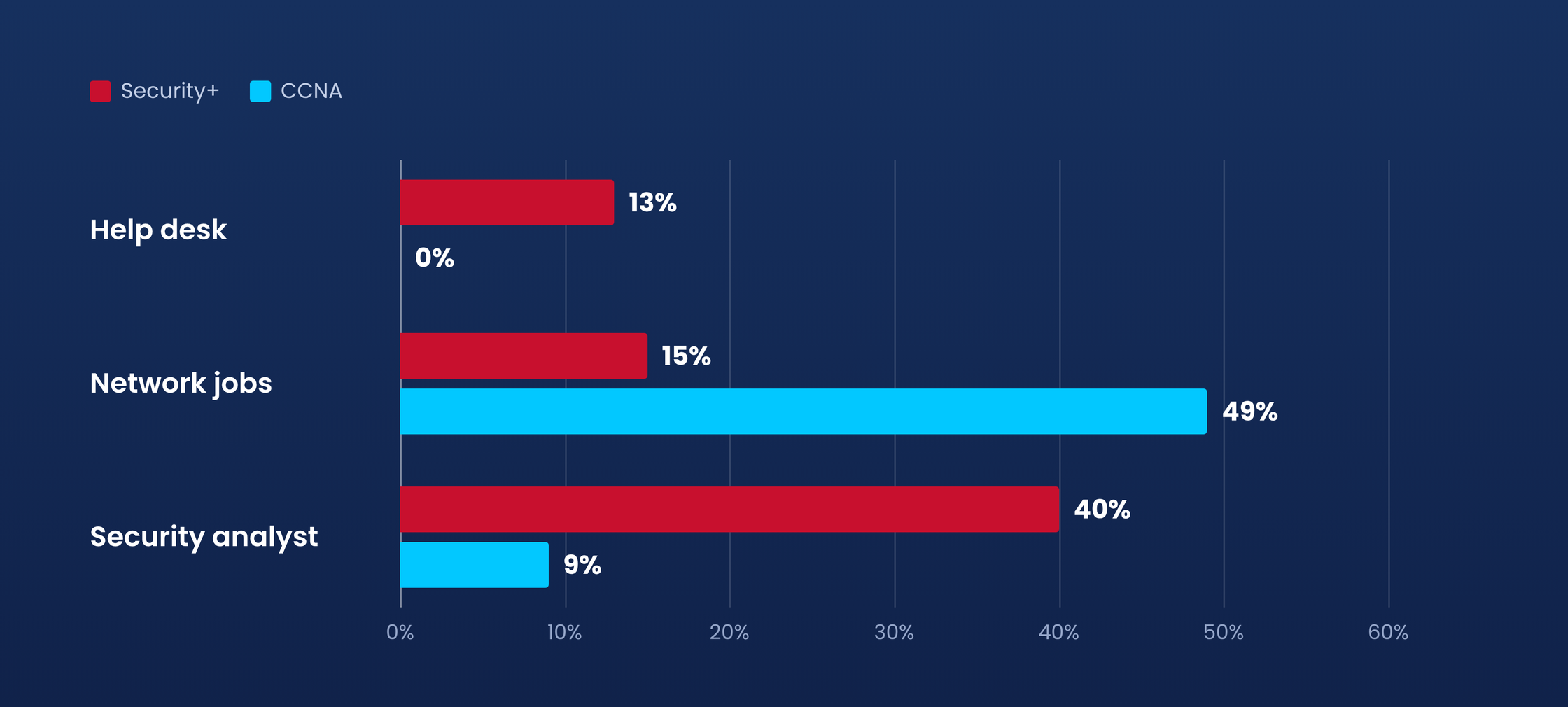
Figure 1 – Share of job ads that name each cert, by job. 197 US ads, October 2026.
Help desk ads rarely ask for either. And some security jobs won't hire you without the Security+ or a similar cert:
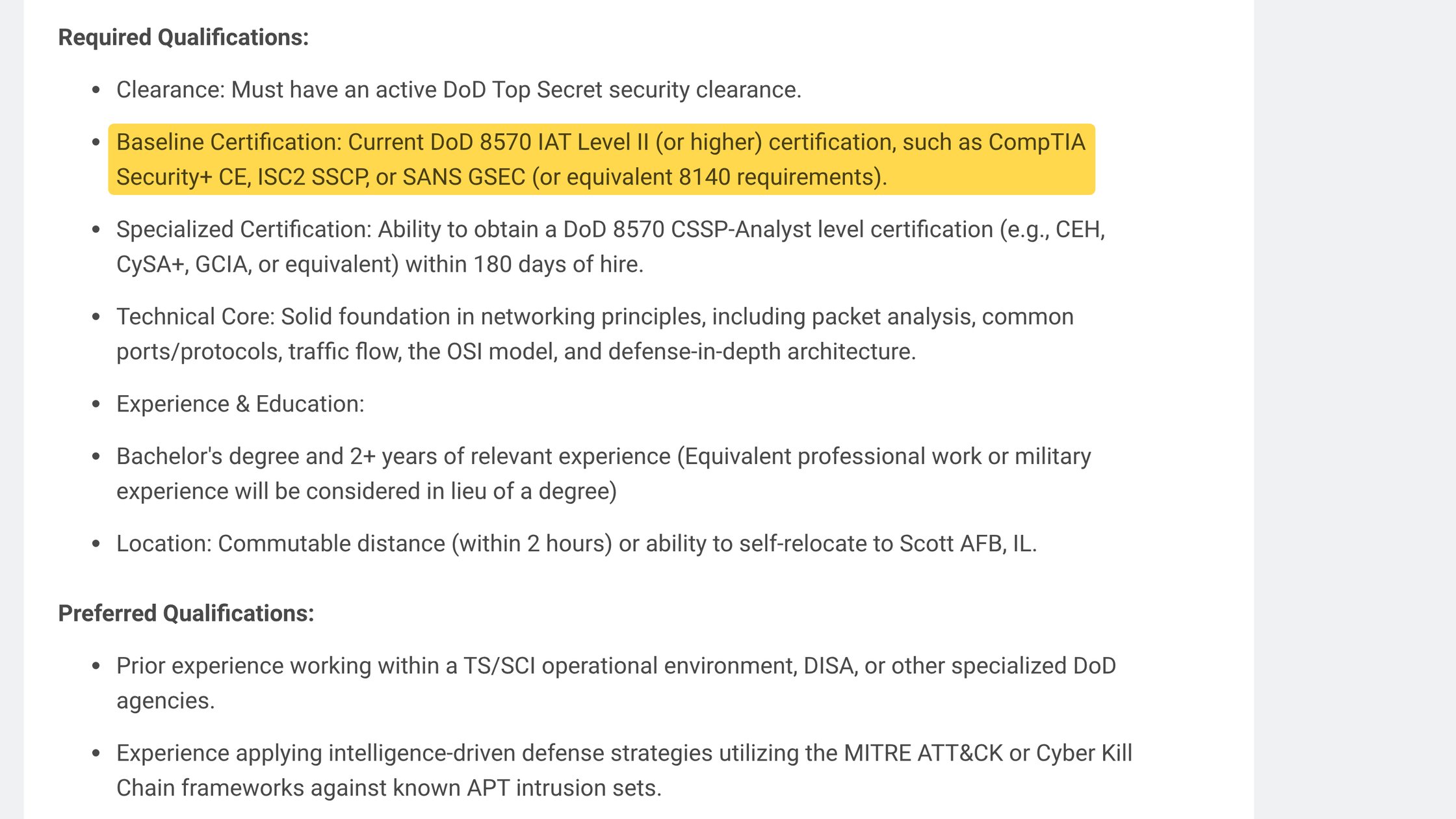
Figure 2 – A security analyst ad at Leidos. The Security+ is on the required list.
What the work looks like day to day
Both jobs can mean odd hours. 17 of our 57 security ads mention nights, weekends, shifts or being on call. And the US Bureau of Labor Statistics (BLS) says network admins may work evenings, nights or weekends to keep networks up to date.
A day as a security analyst
Your main tool is a screen that gathers alerts from all the company's systems. Each alert could be an attack, so you check it: real threat or false alarm? When it's real, you dig in, help stop it, and write up what happened.

Figure 3 – Security analysts often work in a room like this one, with several screens each.
In an ISC2 survey of 929 security hiring managers, the top tasks for entry-level staff were writing up procedures, handling alerts and writing reports. The biggest employers are IT service firms (22% of analysts) and banks and insurers (17%), says BLS.
A day as a network admin
You keep the company's network running, from the switches to the Wi-Fi. You set up new devices, add users, and decide who can access what. You also upgrade the network and keep it fast and secure.
When something breaks, a user or a monitoring tool flags it, and you find the cause and fix it. In a NOC, you watch the network around the clock and react fast to outages. One NOC ad we read runs 12-hour shifts, 24/7.

Figure 4 – Plugging cables into a switch in a server rack.
The biggest employers are IT service firms (16% of admins), schools and colleges (13%) and banks and insurers (9%), says BLS.
What these jobs pay
Security pays the most. Here's what each one paid in the US in May 2025:
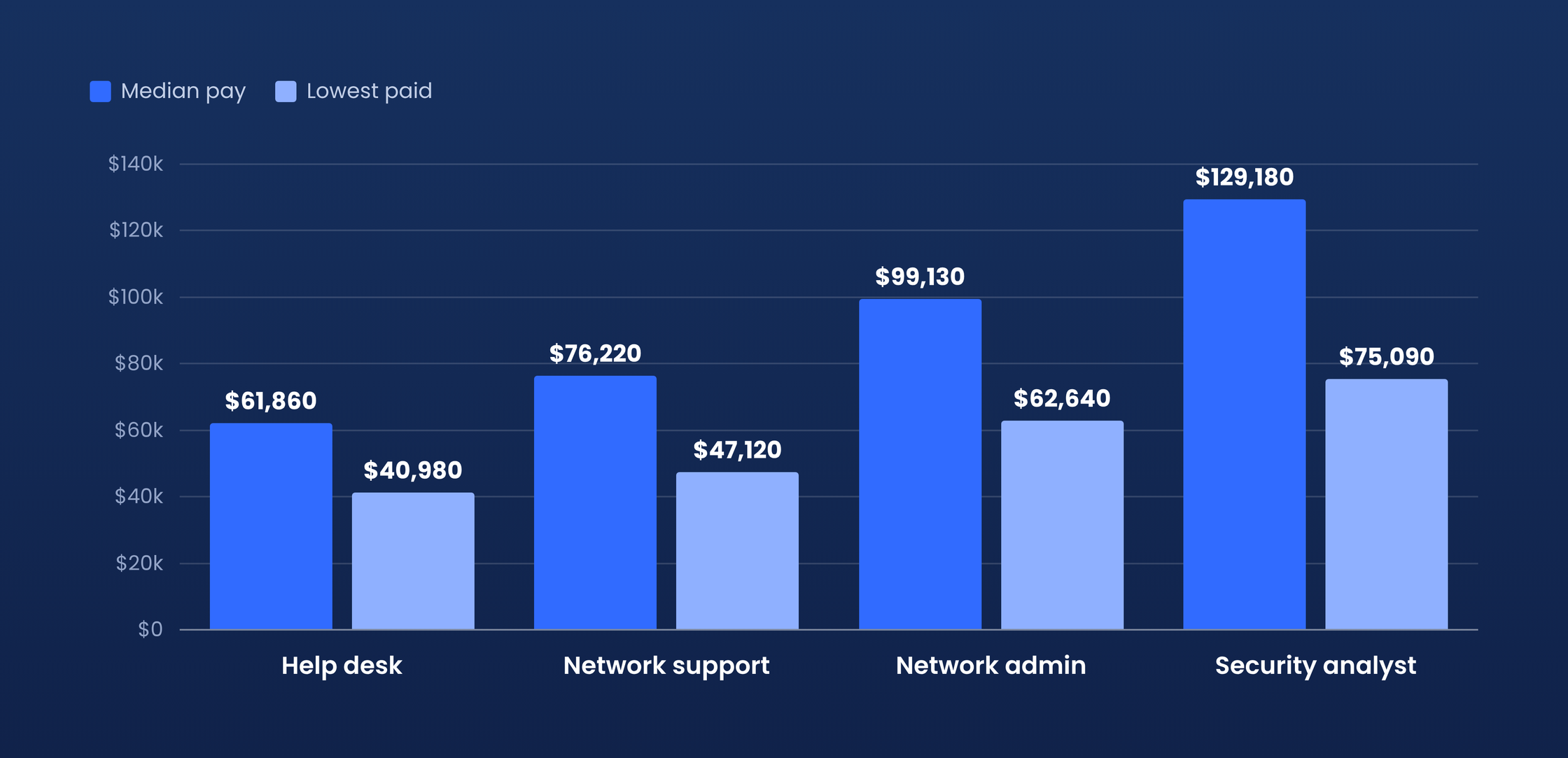
Figure 5 – US yearly pay by job, May 2025. Source: US Bureau of Labor Statistics.
The median security analyst earns $129,180 a year: half earn more, half earn less. Beginners usually start lower. The lowest-paid 10% of security analysts earn under $75,090.
Network engineers earn about as much. In the ads we read, network engineer jobs usually paid $107,500 to $133,000 a year. Security analyst jobs usually paid $90,000 to $137,600.
The job market at the end of 2026
Security analysts and network admins get about the same number of openings. BLS expects about 14,100 a year for security analysts in the US until 2035, and about 13,400 for network admins.
Security: growing, but hard to get into
BLS expects security analyst jobs to grow 21% from 2025 to 2035. But security job ads fell 26% in the first nine months of 2026, compared with 2025, says CyberSN, a security recruiting firm. In ISC2's 2025 survey of security workers, 39% said their company had a hiring freeze, and 36% said it cut budgets.
Most ads also want experience. The typical security ad we read asks for 3 years. Only 1 in 7 takes a year or less. Many analysts come from another IT job, often network admin, says BLS. In ISC2's survey of hiring managers, 89% would consider someone with nothing but an entry-level security cert, and 90% would consider someone with only IT work experience.
And security work runs on the network. 17 of our 57 security ads ask for network skills, like reading network traffic or knowing firewalls. Even this entry-level ad does:
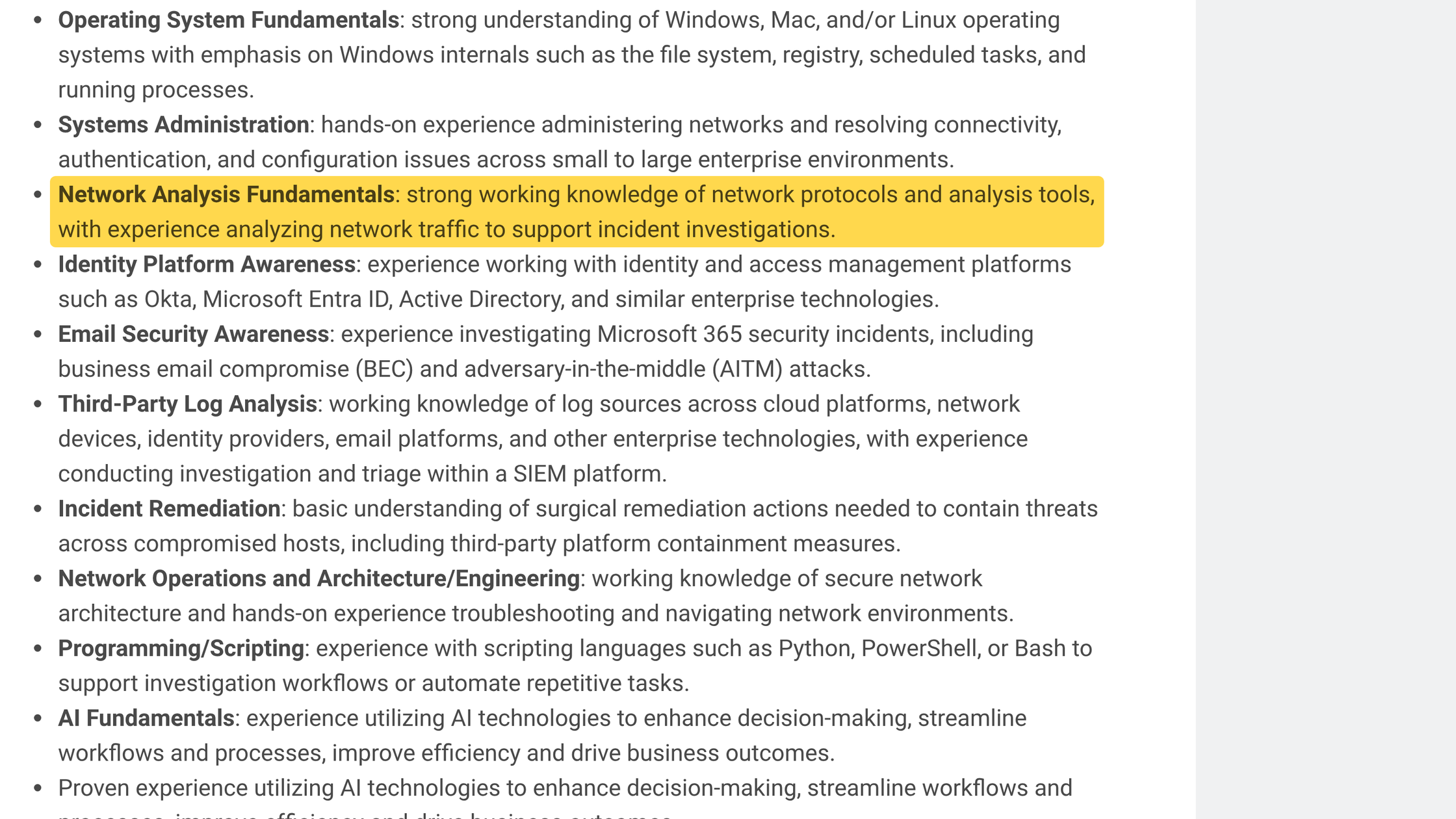
Figure 6 – An entry-level security analyst ad at CrowdStrike.
Networking: flat, but steady
Network admin jobs aren't growing. BLS expects a 4% drop by 2035, as software and outside providers take over some of the work. But people retire and change jobs, so the openings keep coming.
Network support jobs, like NOC roles, add about 9,000 openings a year. And help desk has by far the most openings of these jobs: about 39,700 a year.
So, which one first?
Start with the job you want:
Aiming for a security job? Take the Security+.
Aiming for a network job? Take the CCNA.
New to IT and want security later? Land an entry-level IT job first. For NOC roles, that's the CCNA. For help desk, see CCNA vs Network+.
A job ad you like names one? Go with that one.
Want both? A lot of security analysts start in network jobs, so the CCNA first and the Security+ later fits that path. The two exams cost $739 together.
Going with the CCNA? PingMyNetwork teaches it in short lessons, with the command line right next to the text. You can try it for free.
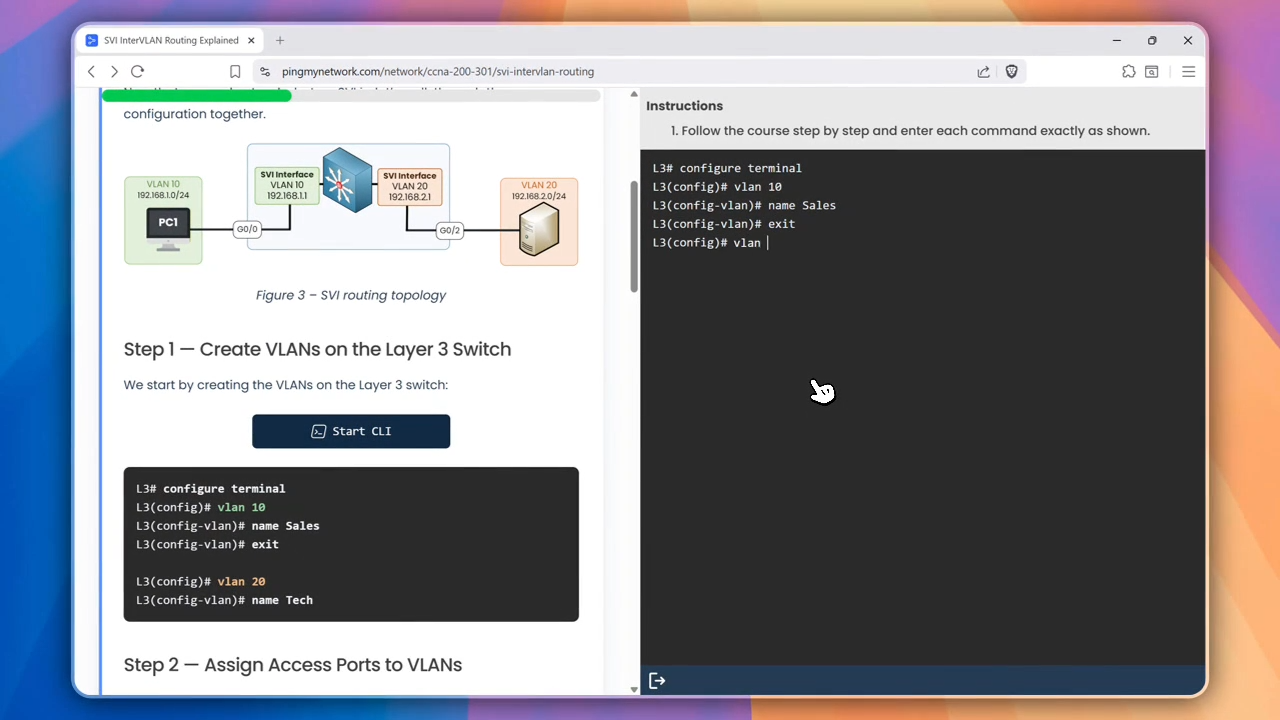
Figure 7 – A PingMyNetwork lesson, with the command line next to the text.
 Written by Dorian AlaryPingMyNetwork co-founderCCNA 200-301Developper


