Best Way to Study for the CCNA
· 6 min read
The best way to study for the CCNA? Everyone has their own answer.
Watch this playlist. Read this book. Buy three old switches and build a lab at home.
So I won't give you one more opinion.
I'll show you what people who passed really did.
And I'll show you what science says.
Both lead to the same method.
To find it, we looked at our learners' data: 513,024 practice questions, 349,454 command-line exercises and 89,473 lessons completed.
If you're starting from zero, don't worry. When I started the CCNA, I didn't even know what a router was.
Why watching videos isn't enough
When you watch a video, you understand each step. But you can understand a lesson and still forget it. On exam day, you have to find the answers alone.
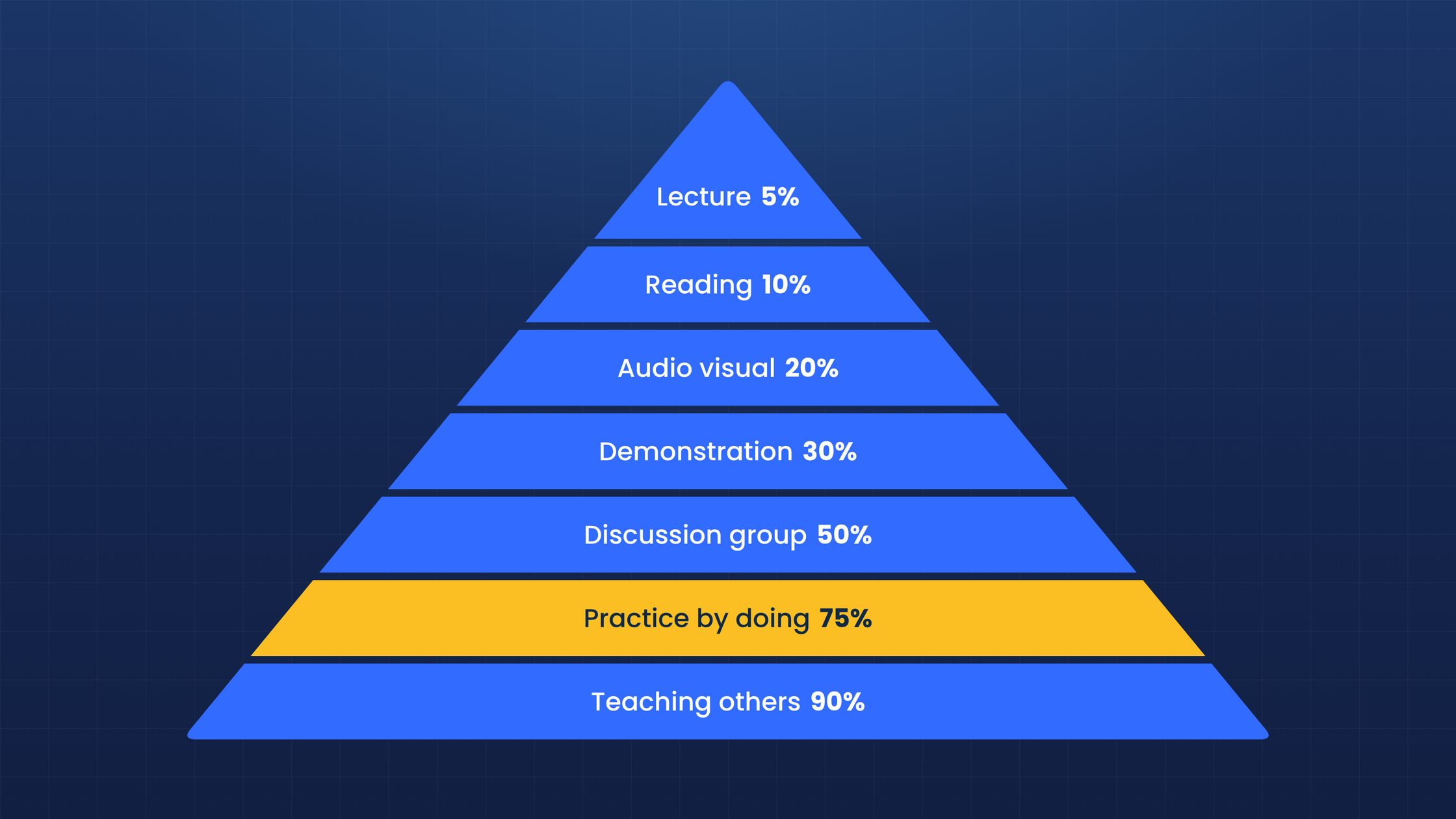
Figure 1 – The famous learning pyramid.
You've probably seen this pyramid. It's everywhere. But no study ever measured these numbers. The idea behind it is right: you learn more by doing than by watching. And real research proves it.
In 2013, a team of scientists led by John Dunlosky compared 10 popular ways to study. They read the studies on each one. Then they gave each one a score: high, medium or low.
Reading your notes again, highlighting and writing summaries got a low score. Only two got a high score:
Practice testing: you test yourself on what you learned, with flashcards or practice questions.
Distributed practice: you study a little over many days, not all at once.
In 2021, another team checked this again with 242 studies and more than 169,000 people. The same two ways came out on top.
The best way to study for the CCNA, in 6 steps
The method below uses both.
Follow one course, from the first lesson to the last
The CCNA has 53 exam topics, listed in Cisco's official blueprint. If you jump between YouTube, books and forums, you will miss some topics. And you won't know which ones.
So pick one complete course and follow it in order. Do every lesson, even the easy ones. Our CCNA course has one roadmap with all 53 topics.
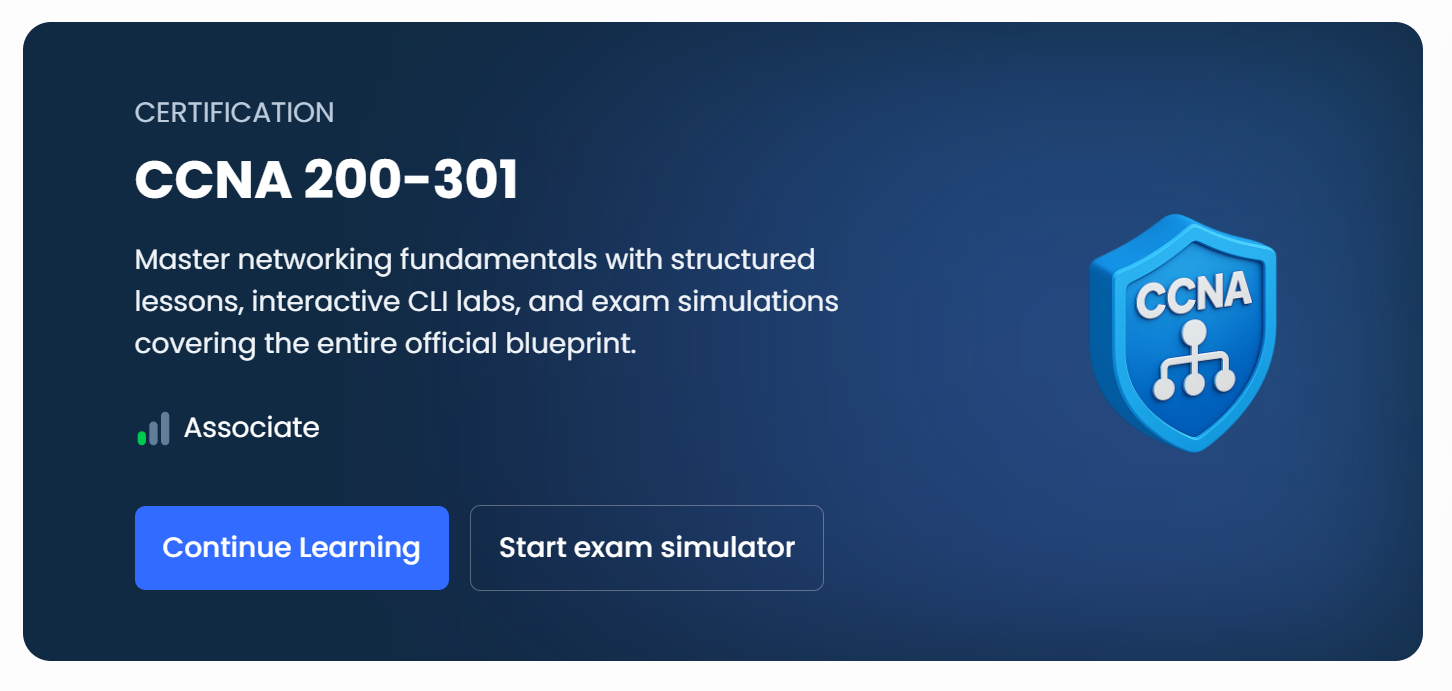
Figure 2 – Our CCNA 200-301 course covers the whole exam blueprint.
Practice right after each lesson
Don't wait until the end of the course to test yourself. After each lesson, answer questions and type the commands. Each time you try to remember an answer, it sticks better. That's why practice testing got a high score.
You might say: “If I have to practice after every concept, it'll take months.” And you're right. So we built the practice into our lessons. The questions and command-line exercises are right there. You type the commands as you read.
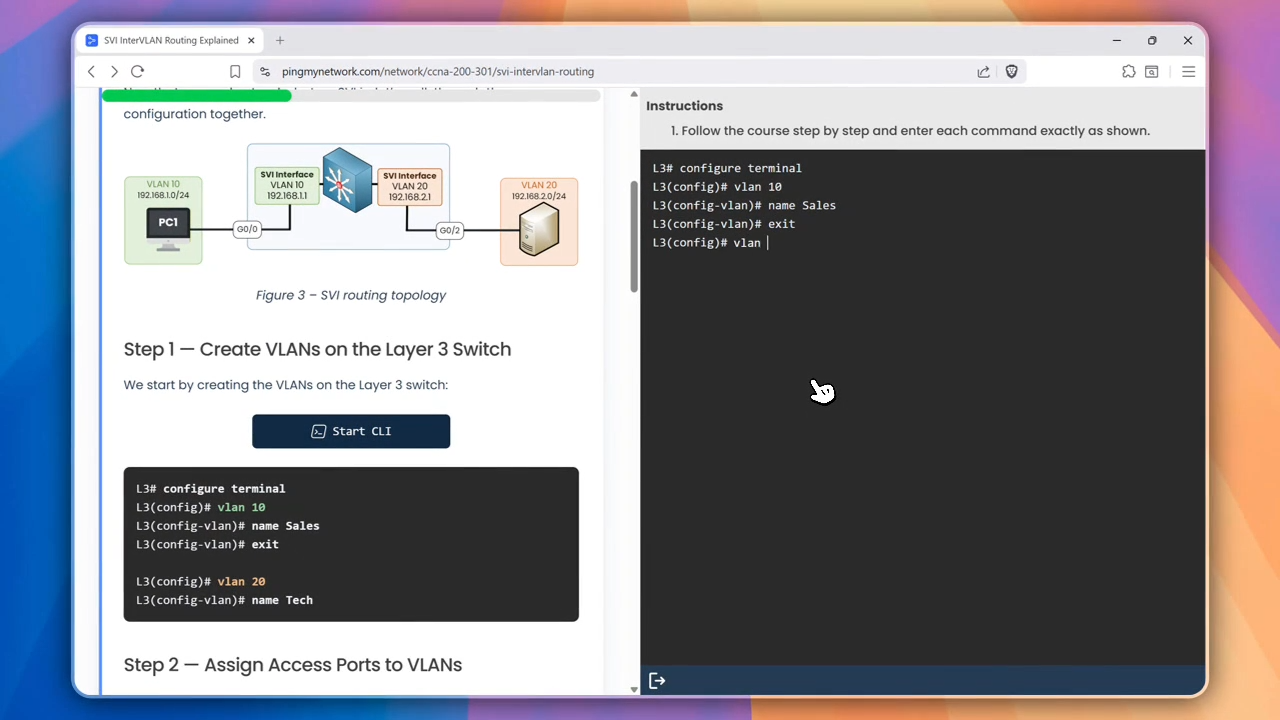
Figure 3 – You type the commands right next to the lesson.
Our learners make a lot of mistakes when they practice. They get about 1 question in 6 wrong. And they make a mistake on 1 command-line exercise in 5.
That's normal. A mistake in a lesson costs you nothing. And it shows you what to study again.
Here's what our learners say:
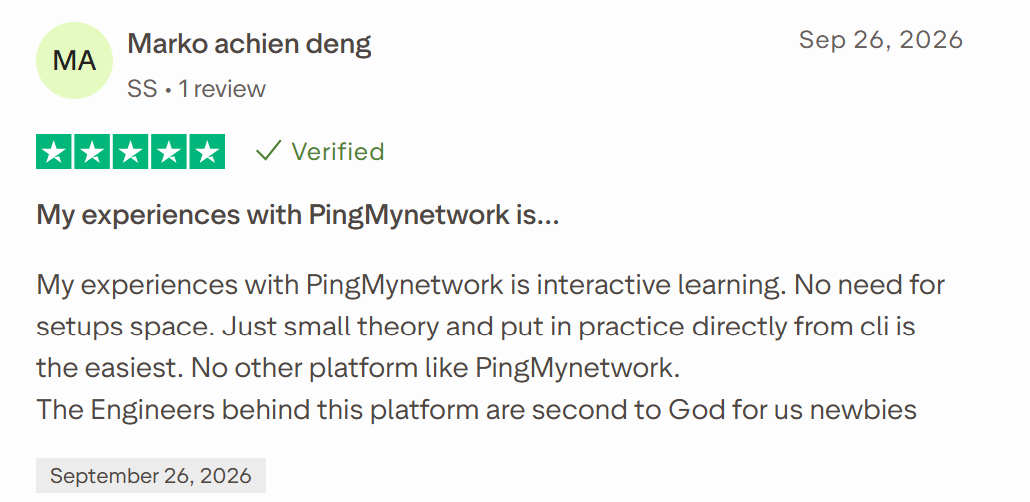
Figure 4 – A review from Marko, a learner in South Sudan.
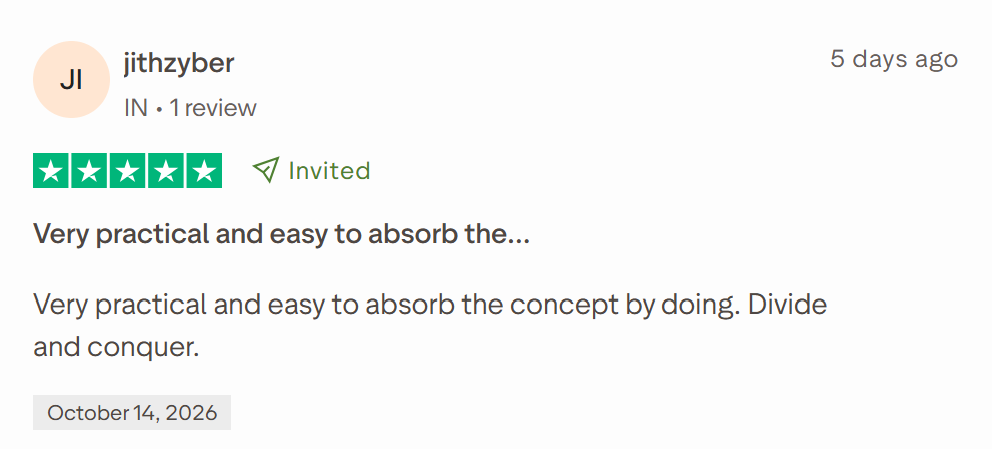
Figure 5 – A review from a learner in India.
Study a little every day
One long session on Sunday feels good. But a short session every day works better. That's distributed practice, the other way with a high score. On PingMyNetwork, each day you finish a lesson, a practice exam or flashcards, your streak goes up by one.
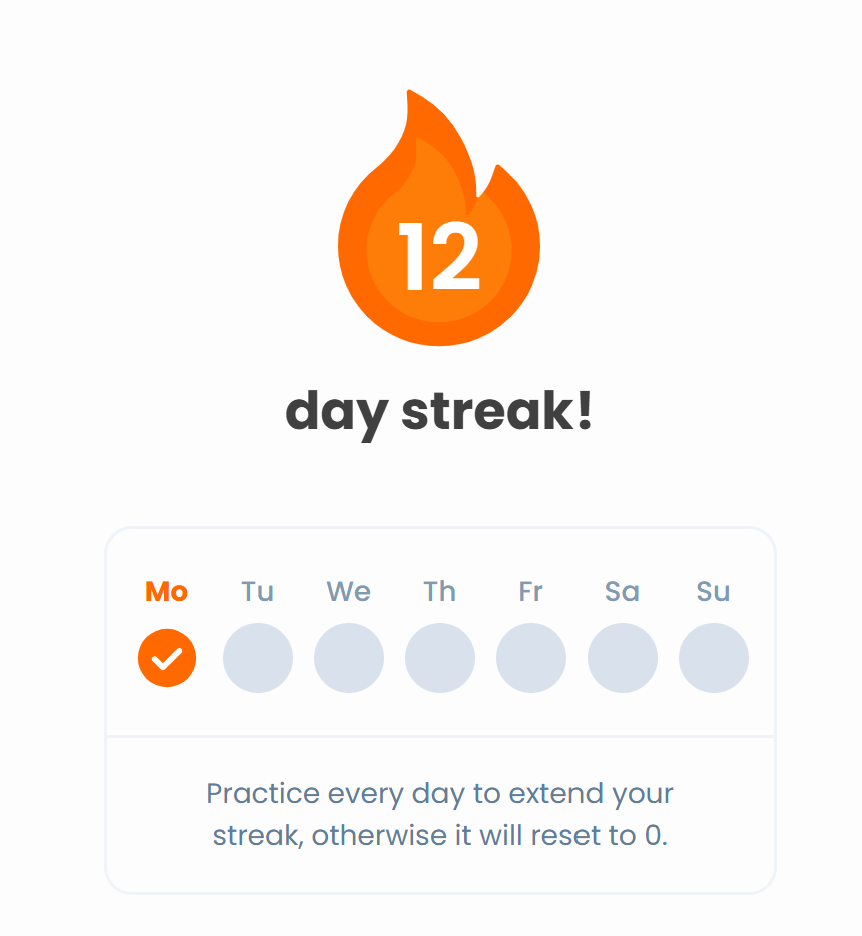
Figure 6 – Your streak grows each day you study.
And our data points the same way. Learners who studied 7 days in a row were 2.6 times more likely to finish the course in 2 months. With 14 days in a row, they were almost 3 times more likely.
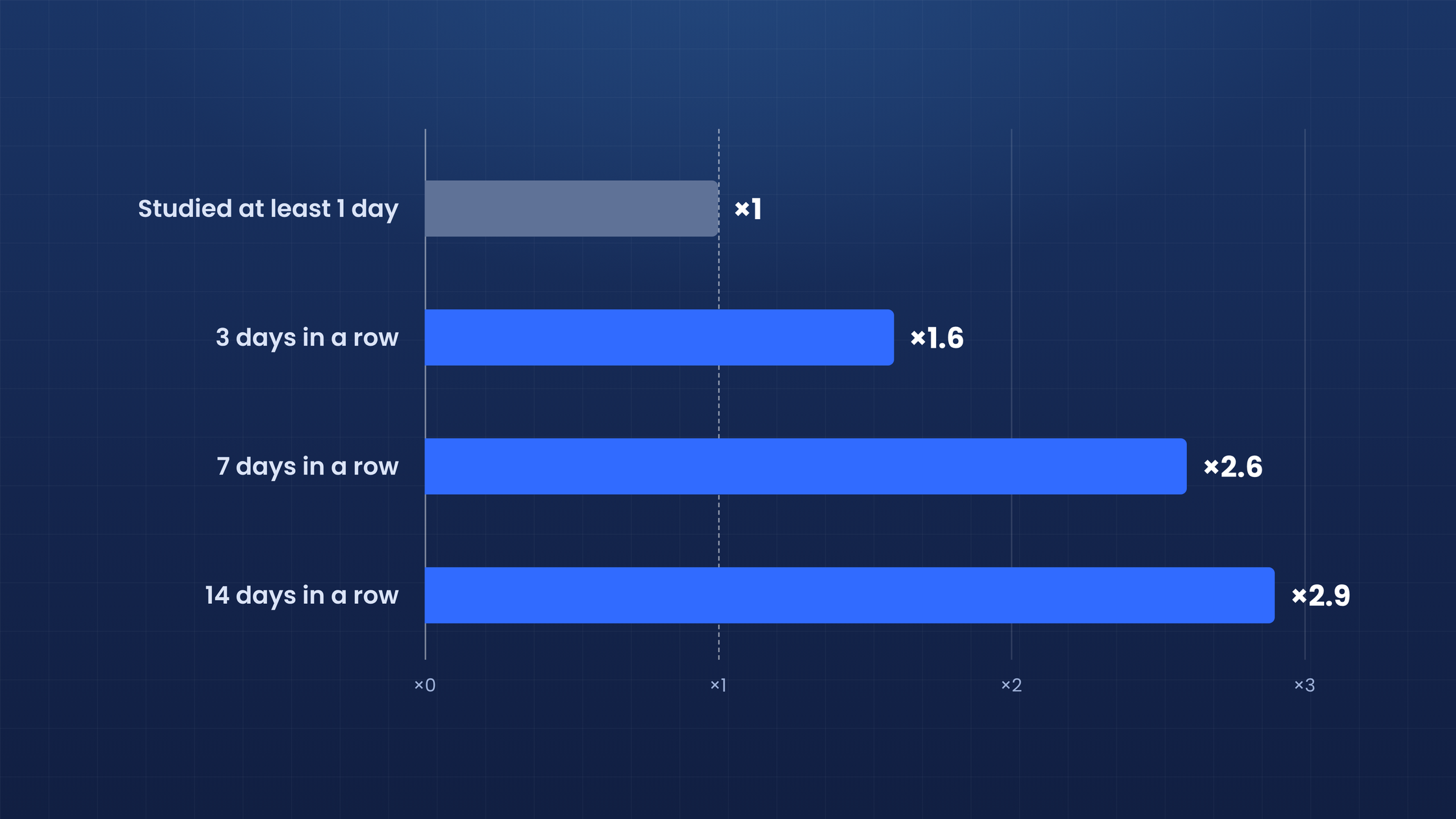
Figure 7 – The longer your streak, the more likely you are to finish.
So don't try to study for hours. Study a little, but every day.
Our course takes about 100 hours. At 1 hour a day, that's about 3 months. Many go faster: half of the learners who finish it do it in less than 62 days.
Charles worked in IT for 12 years. He still needed a daily routine to pass. His advice:
"Build yourself a routine. You need to do as much hands on work as possible and understand why something breaks and how to fix it."
Make it a game, and bring a friend
A streak works like a game. Once you have one, you don't want to lose it. That's why Duolingo uses streaks so much. On PingMyNetwork, you also earn XP, win badges and climb a monthly leaderboard.
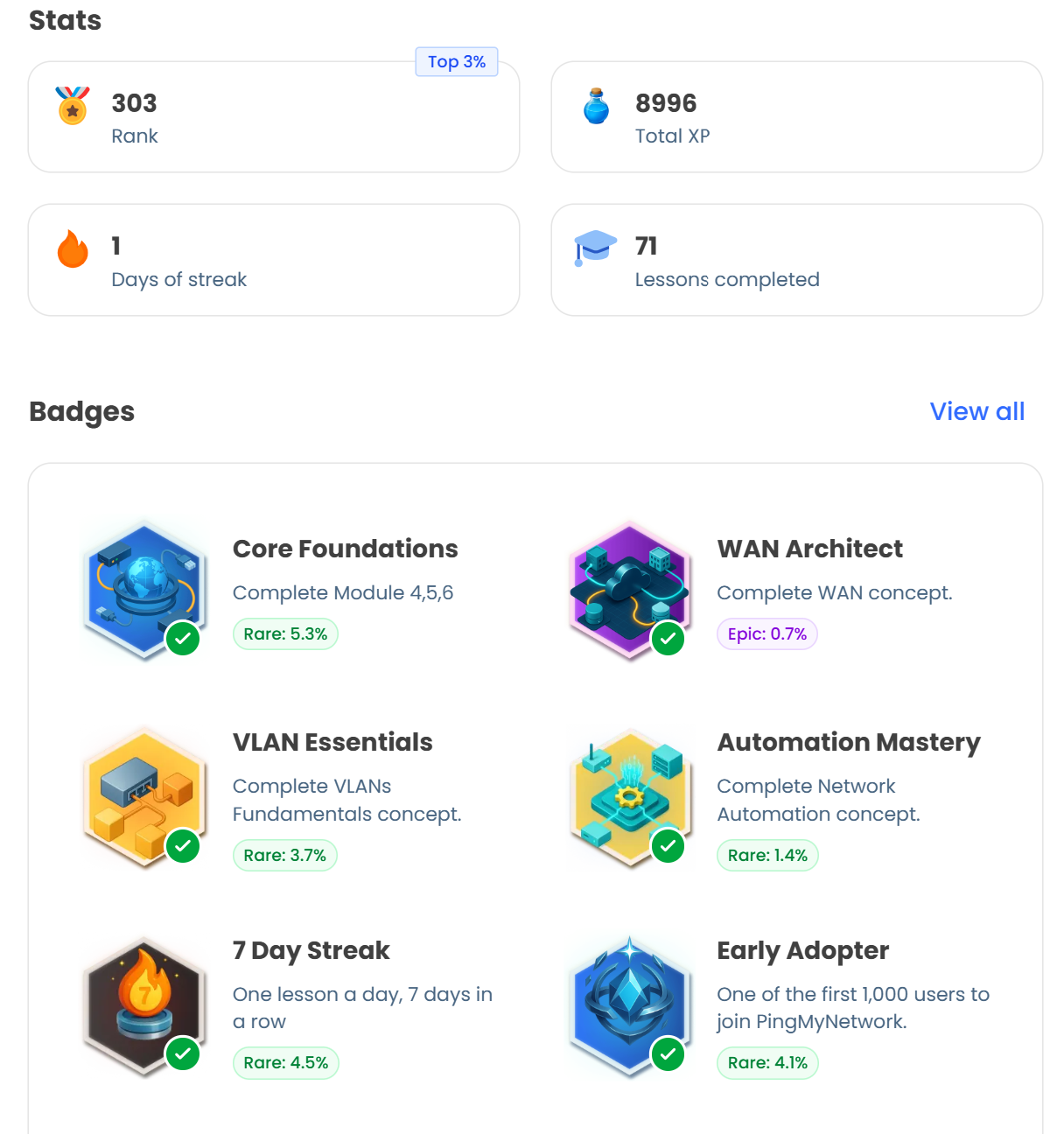
Figure 8 – Your rank, your XP and your badges.
Studying with a friend helps too. Duolingo found that learners who add friends are 5.6 times more likely to finish their course.
On PingMyNetwork, you can follow a friend or invite one. Then you push each other.
Don't skip the topics that look small
Some topics look small, so people study them last, or not at all. In our study of 92,128 practice exam answers, learners made the most mistakes in IP Services. Those are topics like SNMP, QoS and NTP.
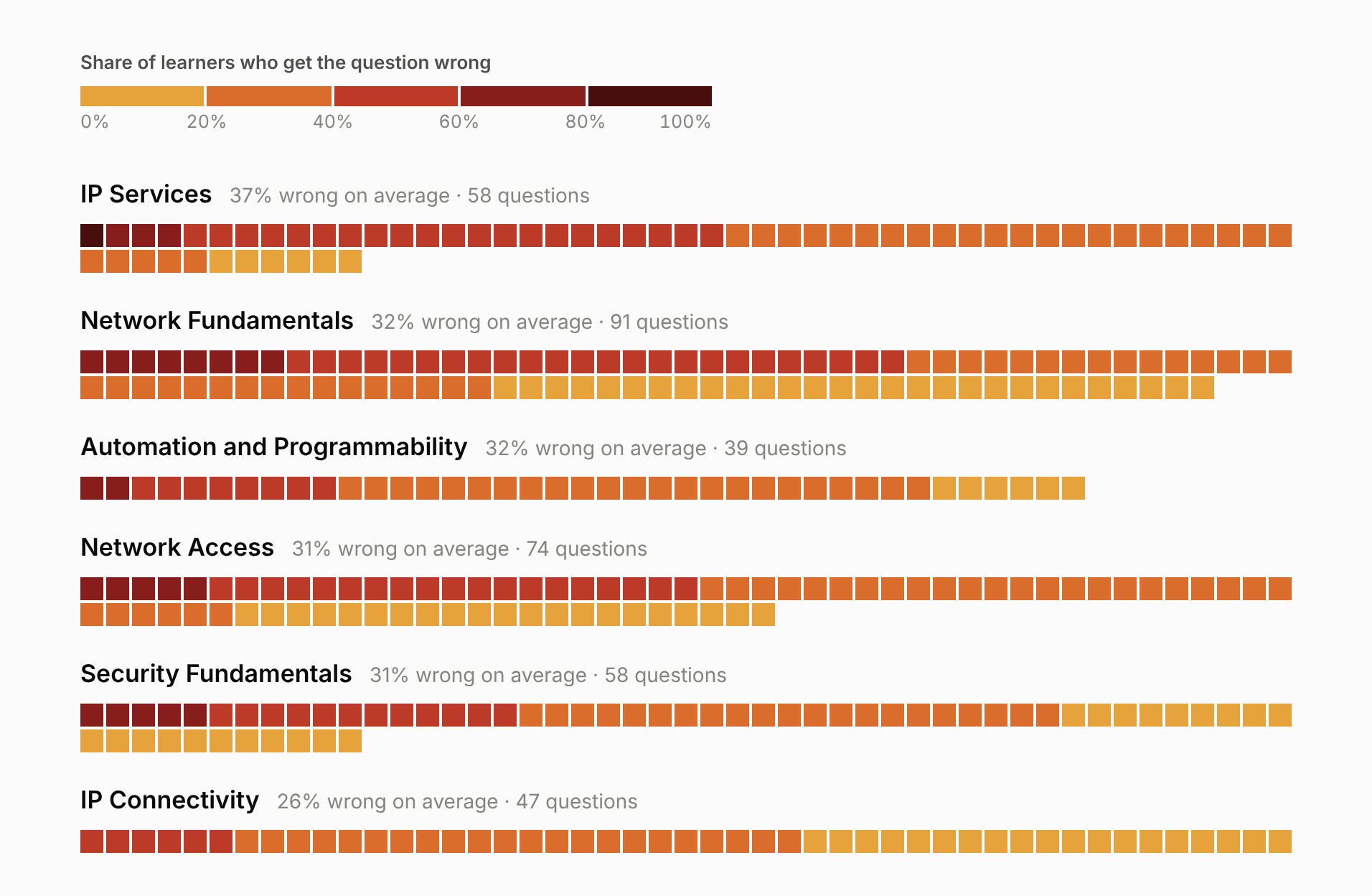
Figure 9 – How often learners get each practice exam question wrong, by domain.
This part is only 10% of the exam. But every point counts. So don't skip them.
Use practice exams to find your mistakes
When you finish the course, take our practice exam. Use it to find your mistakes, not just to get a score.
Don't panic if your first score is low. 8 out of 10 learners who passed our practice exam failed it first. Half of them needed 4 tries or more.
For each mistake, find out why you made it. Marcus, one of our learners, explains it well:
"Figure out whether you missed a question because you didn't know the concept, misread it, or simply forgot a detail. Those are three different problems with three different fixes."
Fix each problem. Then take the practice exam again until you pass.
Once you pass it, book your real exam. Having a date helps you stay focused.
So, what's the best way to study for the CCNA?
Follow one course in order. Practice after each lesson. And study a little every day. Then use practice exams to find your mistakes. Fix them before the real exam.
Books, flashcards and home labs can help too, but they don't replace this method.
Our learners rate us 4.9 out of 5 on Trustpilot, from 255 reviews.
 Written by Dorian AlaryPingMyNetwork co-founderCCNA 200-301Developper


