Enhanced Interior Gateway Routing Protocol (EIGRP) is classified as an advanced distance-vector routing protocol.
However, it incorporates characteristics commonly associated with link-state protocols.As you may already know, RIP is one of the simplest distance-vector protocols.
EIGRP was designed to improve the limitations of RIP.To understand why EIGRP is more powerful, let’s compare both.
EIGRP vs RIP
Imagine a topology where links between routers do not have the same bandwidth.
If you run RIP in this network, routing decisions are based only on hop count.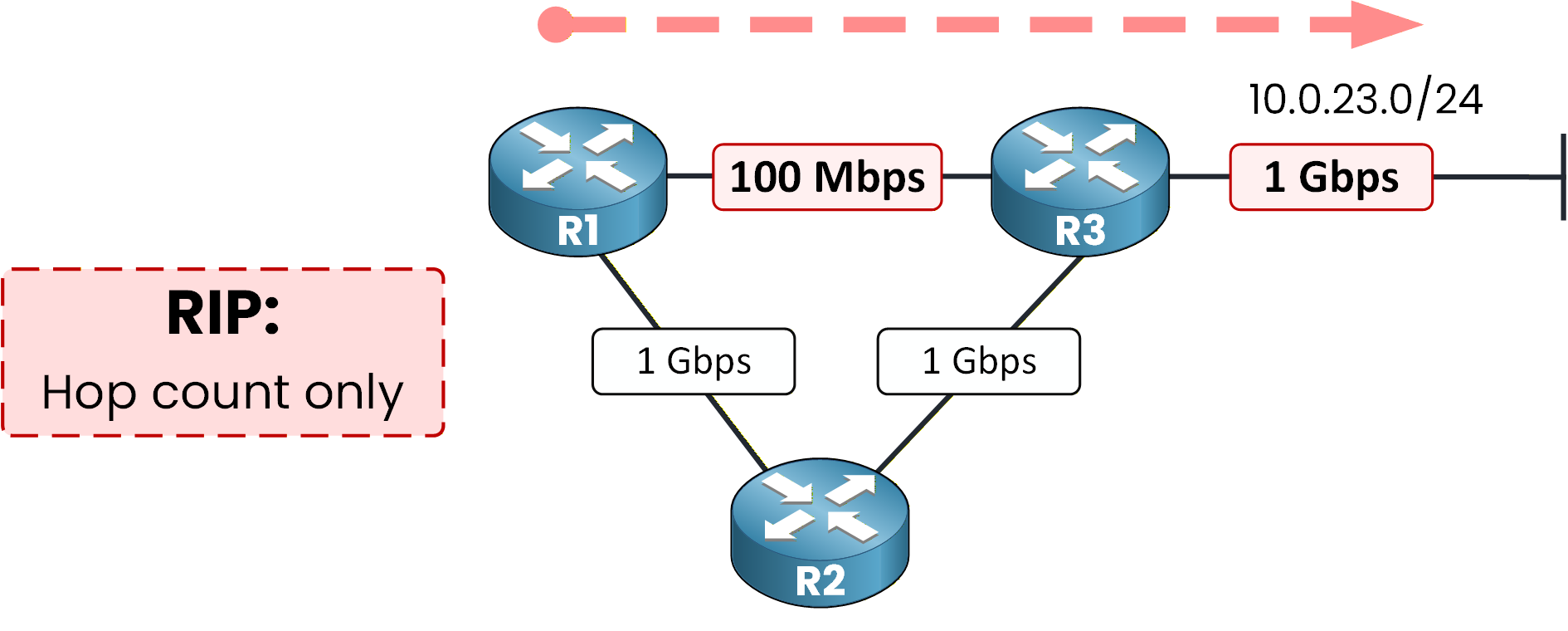
Figure 1 – RIP Path Selection Based on Hop Count
That means:
RIP does not evaluate bandwidth.
RIP does not evaluate delay.
RIP does not evaluate link performance.
It only counts how many routers are in the path.
So in this scenario, R1 will choose the direct path through R3 to reach 10.0.23.0/24, simply because it has fewer hops.This is the main limitation of RIP:
It assumes that fewer hops always means better performance.But in real networks, that is not necessarily true.
Answer the question below
Which metric does RIP use to select the best path?
How EIGRP Improves Path Selection
Now, this is where EIGRP changes the game.
Unlike RIP, EIGRP does not just count routers.
It evaluates the quality of the entire path before making a decision.By default, EIGRP considers:
The minimum bandwidth along the path
The total delay across the path
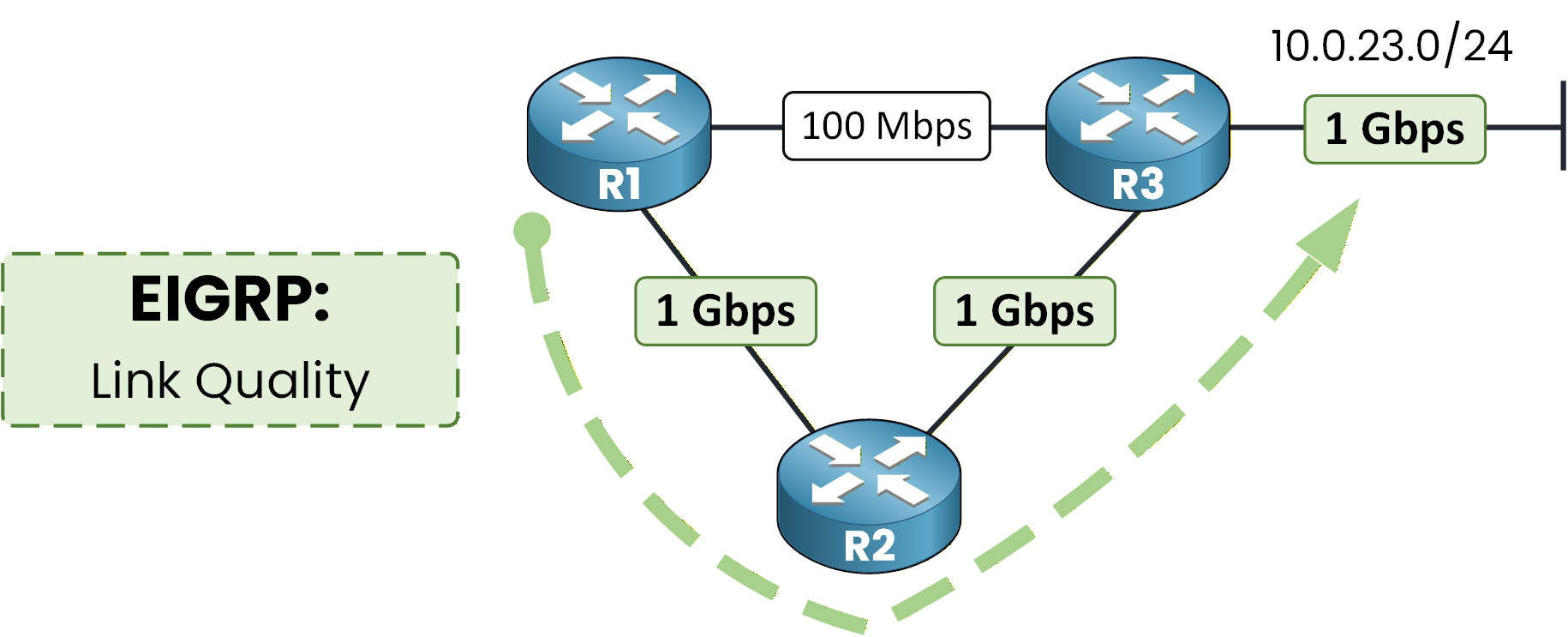
Figure 2 – EIGRP Path Selection Based on Link Quality
This means that when you run EIGRP in the same topology, R1 will not automatically choose the path with fewer hops.
Instead, it will calculate which path offers better overall performance.In this case, R1 selects the path:
R1 → R2 → R3 → 10.0.23.0/24because it provides better link quality, even if it has more hops.
Answer the question below
By default, EIGRP calculates its metric using bandwidth and what?
To understand how EIGRP operates, you need to look at how it exchanges information and processes routes internally.
EIGRP uses IP protocol number 88 to exchange routing information.
When possible, it sends control messages to the multicast address 224.0.0.10.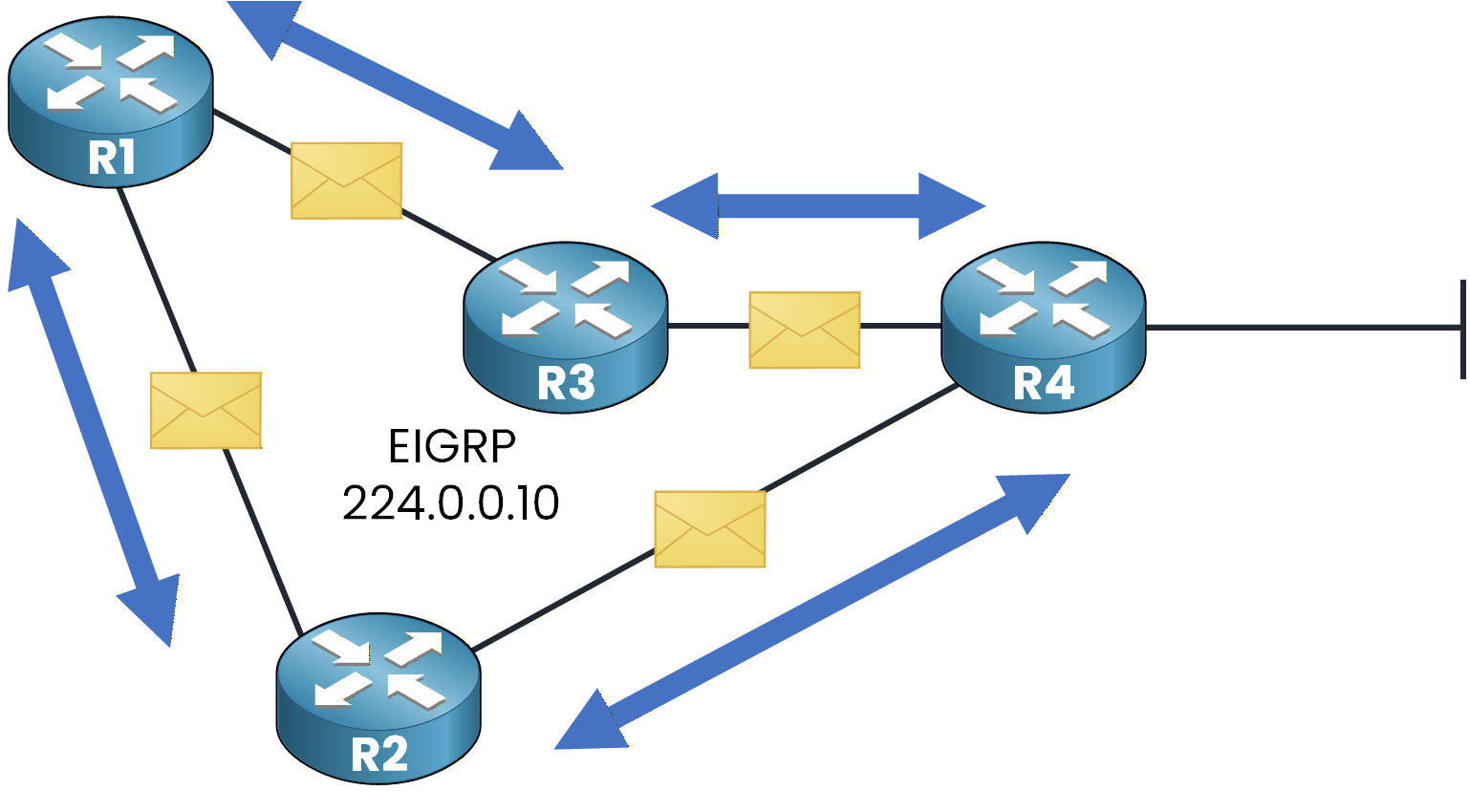
Figure 3 - EIGRP Routers Forming Neighbor Relationships
Routers running EIGRP form neighbor relationships and exchange routing information dynamically.
How EIGRP Evaluates Path Quality
You already know that EIGRP does not rely on hop count alone.
Instead, EIGRP evaluates link quality using its composite metric.By default, this metric is calculated using:
Minimum bandwidth along the path
Total delay across the path
In this topology, you can see the metric values associated with each link between routers.
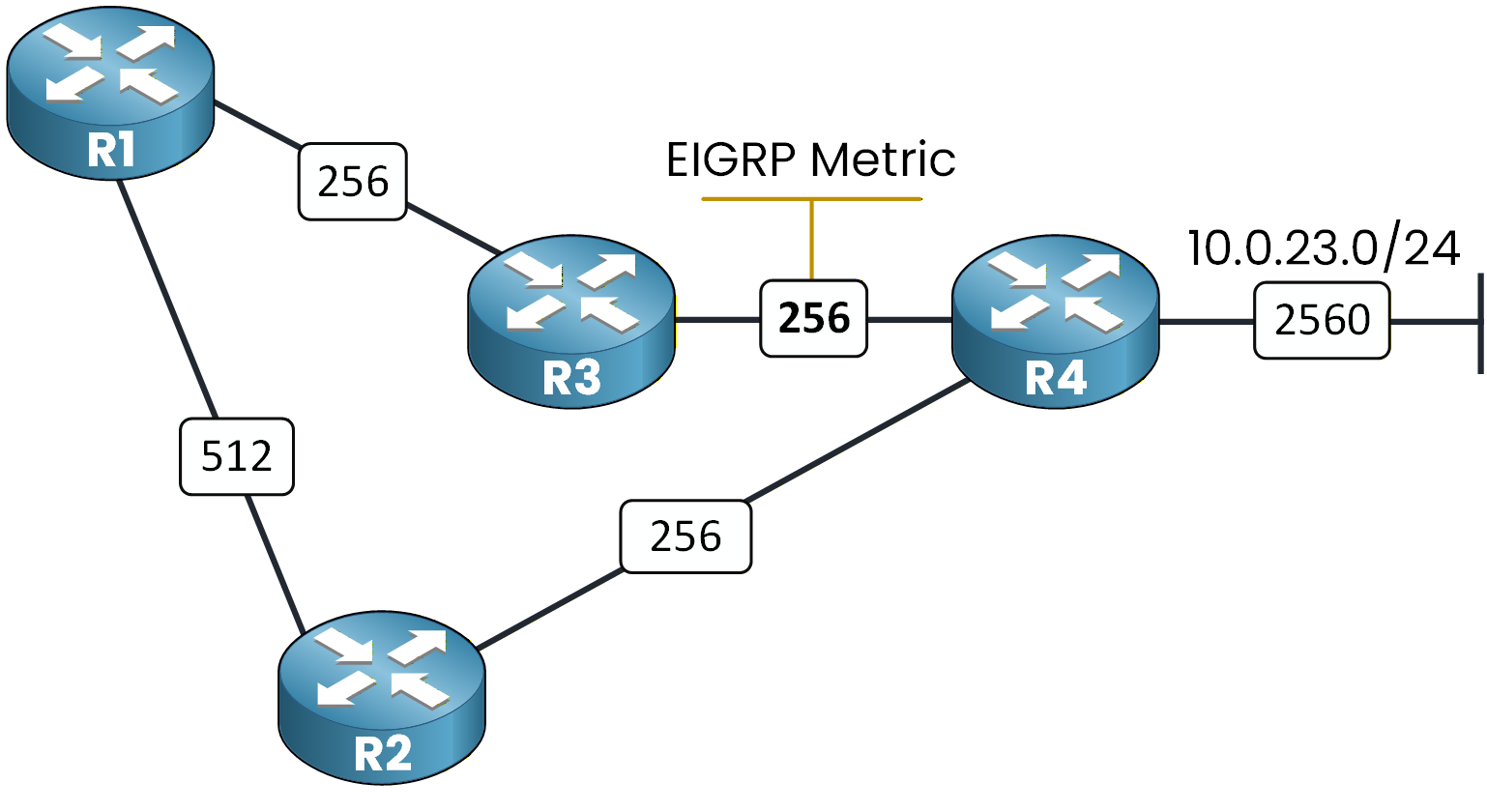
Figure 4 – EIGRP Metric Example
Each router then independently calculates the best path to a destination.
Answer the question below
Which multicast address does EIGRP use?
Answer the question below
What type of metric does EIGRP use?
The Three Core Tables of EIGRP
To understand how EIGRP works, you need to understand its three main tables.
EIGRP does not immediately install routes into the routing table.
It processes information step by step using these three tables.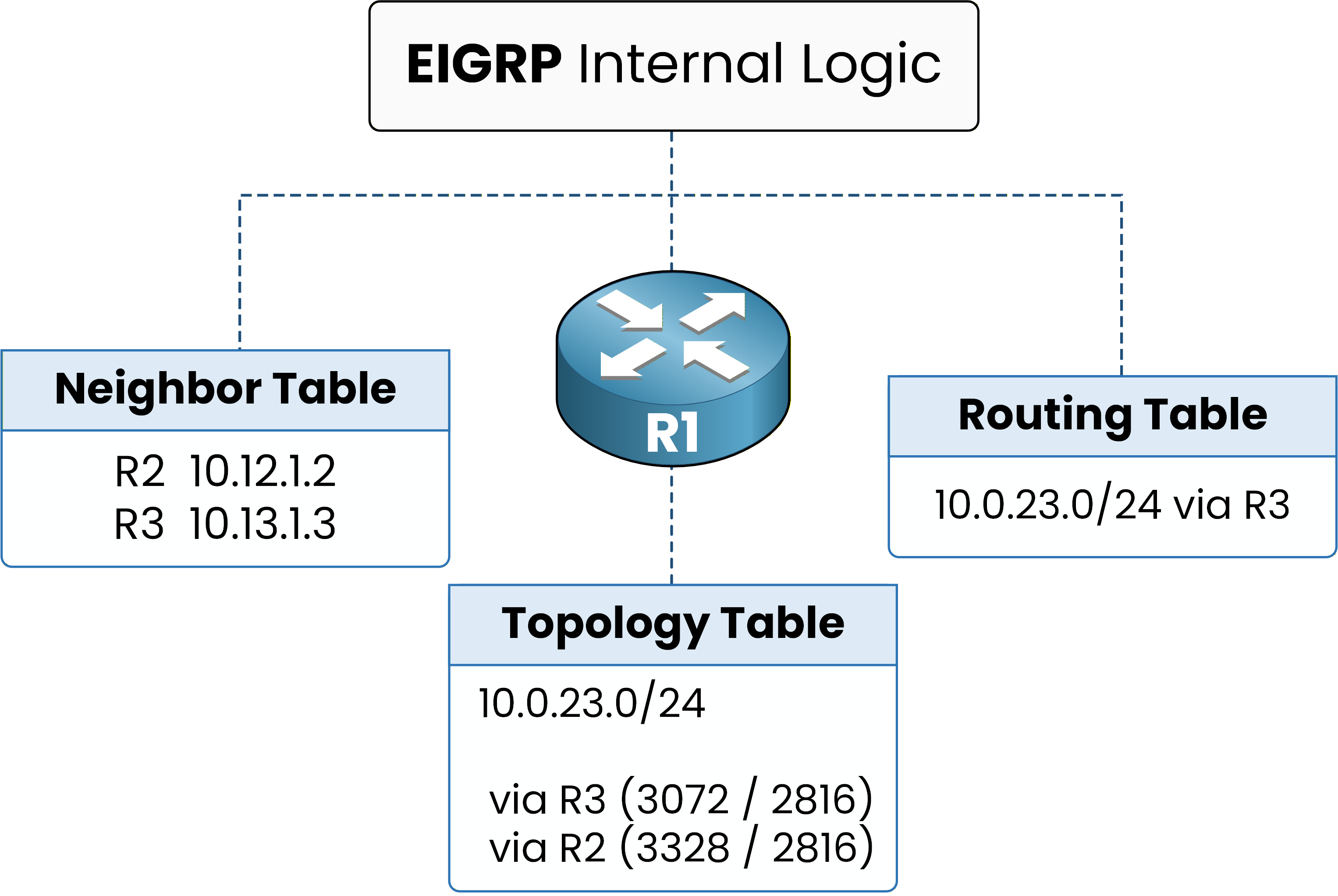
Figure 5 – EIGRP Internal Tables
Neighbor Table
This table lists all directly connected EIGRP neighbors.
These neighbor relationships are formed and maintained using Hello packets.
If a router is not in this table, no routing information will be exchanged with it.Topology Table
This table contains all routes learned from neighbors.
EIGRP stores every possible path to a destination here before choosing the best one.Routing Table
This table contains only the best routes selected by EIGRP.
These are the routes actually used to forward traffic.Answer the question below
Which table lists directly connected neighbors?
Answer the question below
Which table stores all learned routes?
One of the key strengths of EIGRP is that it does not calculate only a single path.
EIGRP uses the DUAL (Diffusing Update Algorithm) to calculate loop-free primary and backup paths.When multiple paths to the same destination exist, EIGRP:
Selects the best path based on its metric
May keep a loop-free backup path ready
The Primary Path – Successor Route
In this topology, R1 can reach 10.0.23.0/24 through different paths.
For the path:
R1 → R3 → R4 → 10.0.23.0/24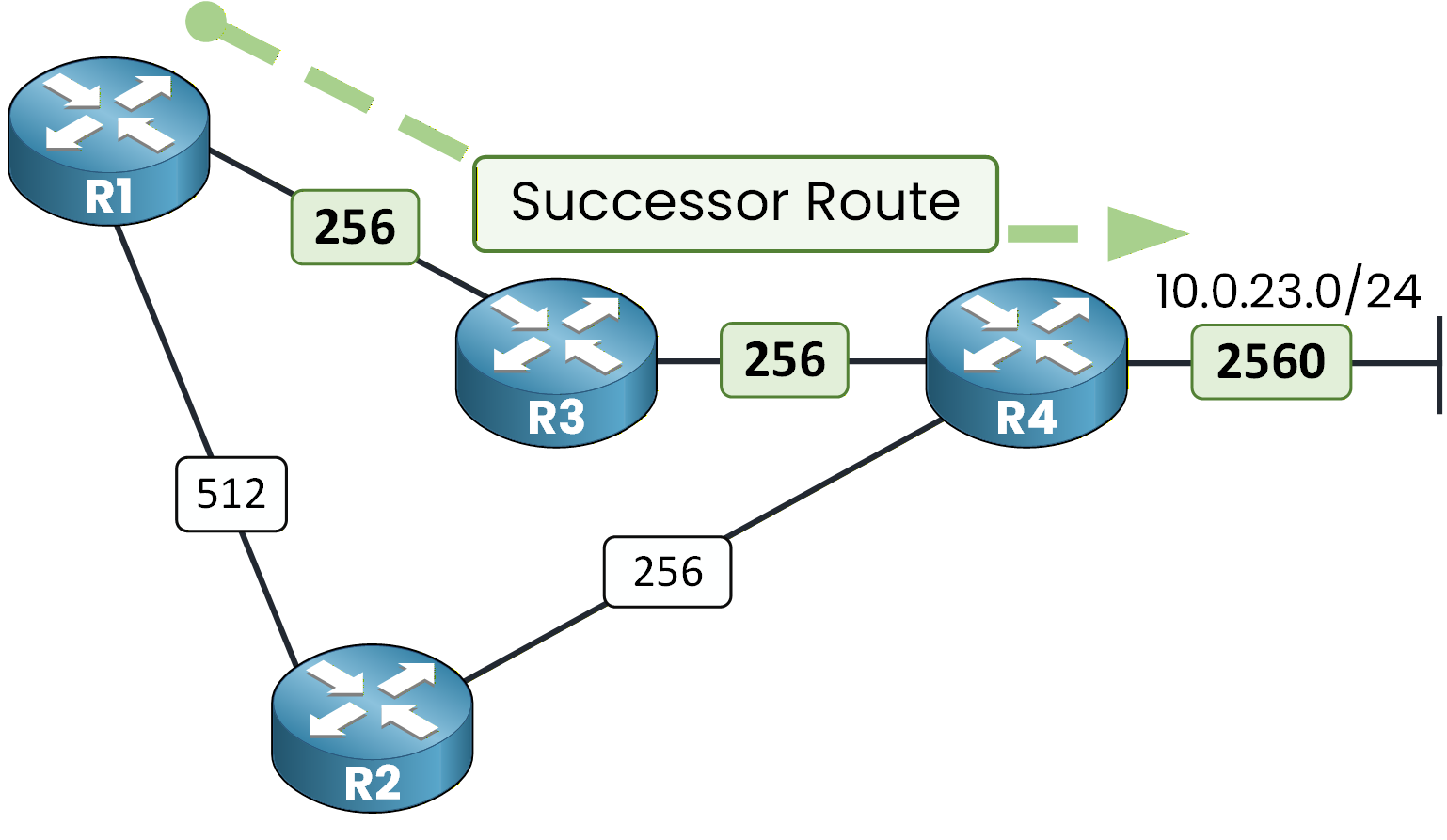
Figure 6 – Successor Route Selection
The total metric is:
256 + 256 + 2560 = 3072Because this path has the lowest cumulative metric, EIGRP selects it as the best path.
This best path is called the Successor Route.The Successor Route is the route installed in the routing table and used to forward traffic.
Answer the question below
Which algorithm does EIGRP use to calculate loop-free paths?
The Backup Path – Feasible Successor Route
Now consider the alternative path:
R1 → R2 → R4 → 10.0.23.0/24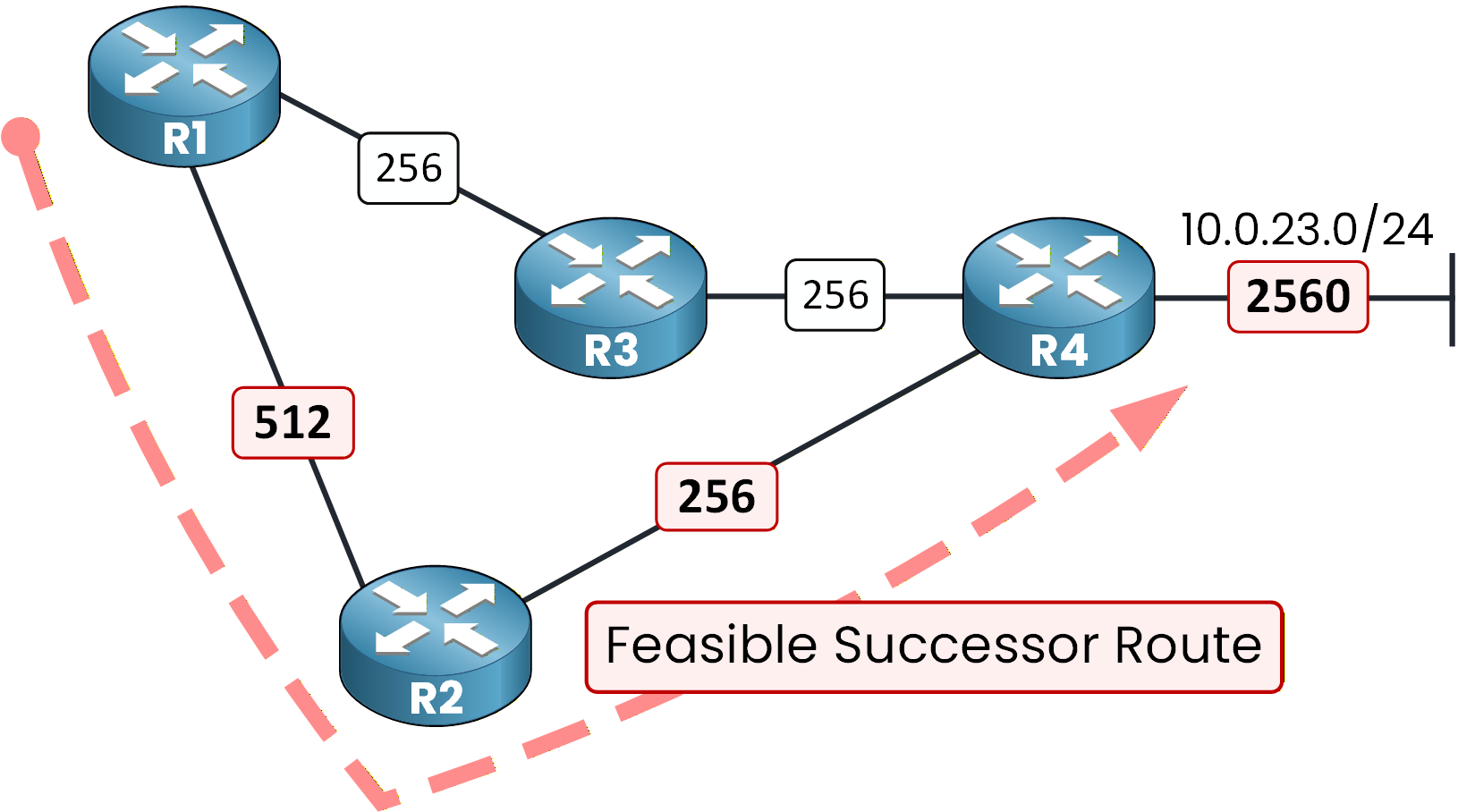
Figure 7 – Feasible Successor
Its cumulative metric is:
512 + 256 + 2560 = 3584Since this metric is higher, this path is not selected as the primary route.
A path becomes a Feasible Successor only if it satisfies a specific loop-free condition (covered in a later lesson).When a backup path meets those conditions, it is called a Feasible Successor Route.
Why This Is Important
If the Successor Route becomes unavailable, EIGRP does not need to recompute everything immediately.
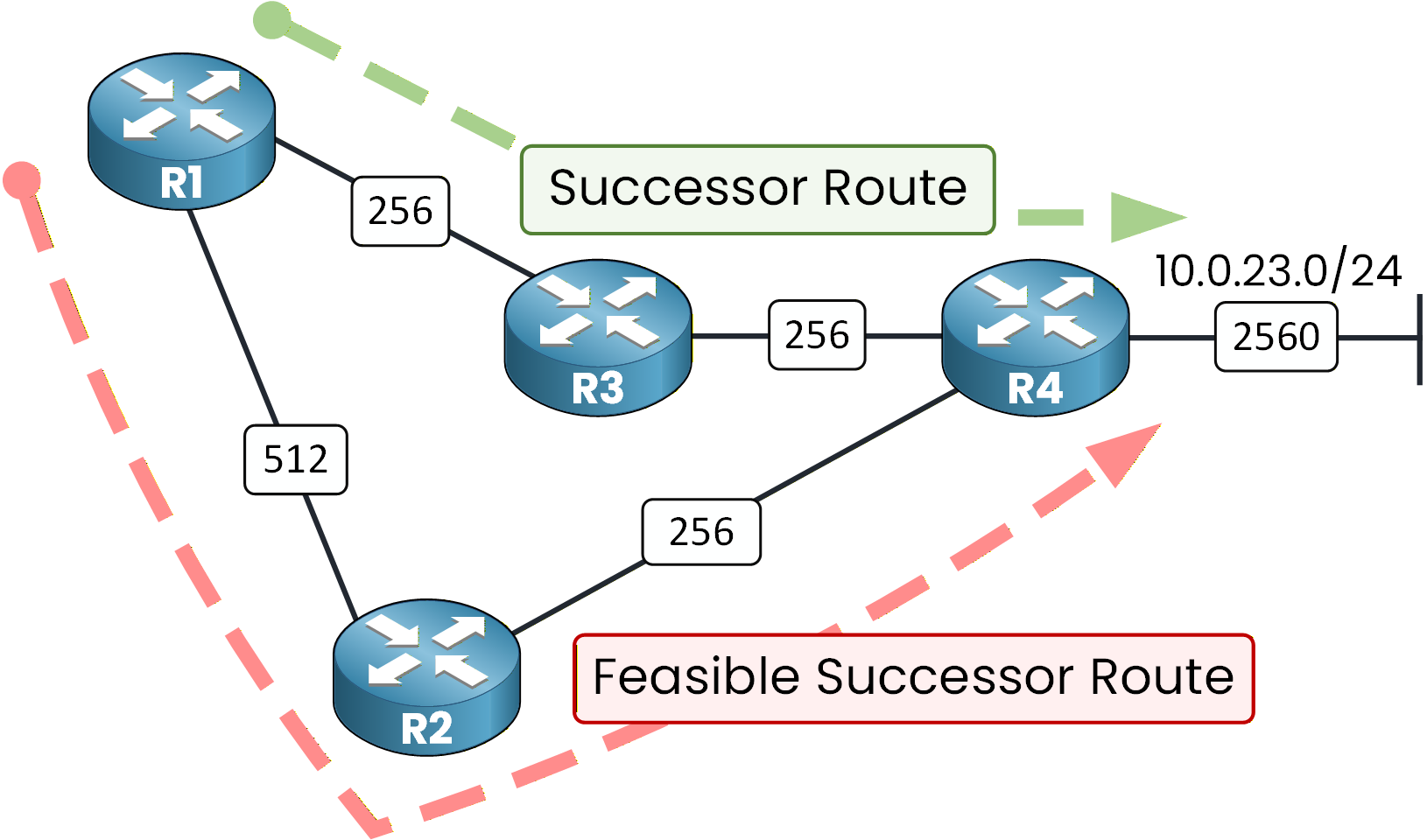
Figure 8 – Primary and Backup Paths
If a Feasible Successor Route exists, it can replace the primary path instantly.
This mechanism significantly improves convergence speed.
Because backup paths are pre-calculated, EIGRP can react to failures almost immediately.Answer the question below
What is the backup path called?
To run EIGRP, you must configure an Autonomous System (AS) number.
This AS number defines the routing domain for that specific EIGRP process.
Routers that share the same EIGRP AS number belong to the same routing domain.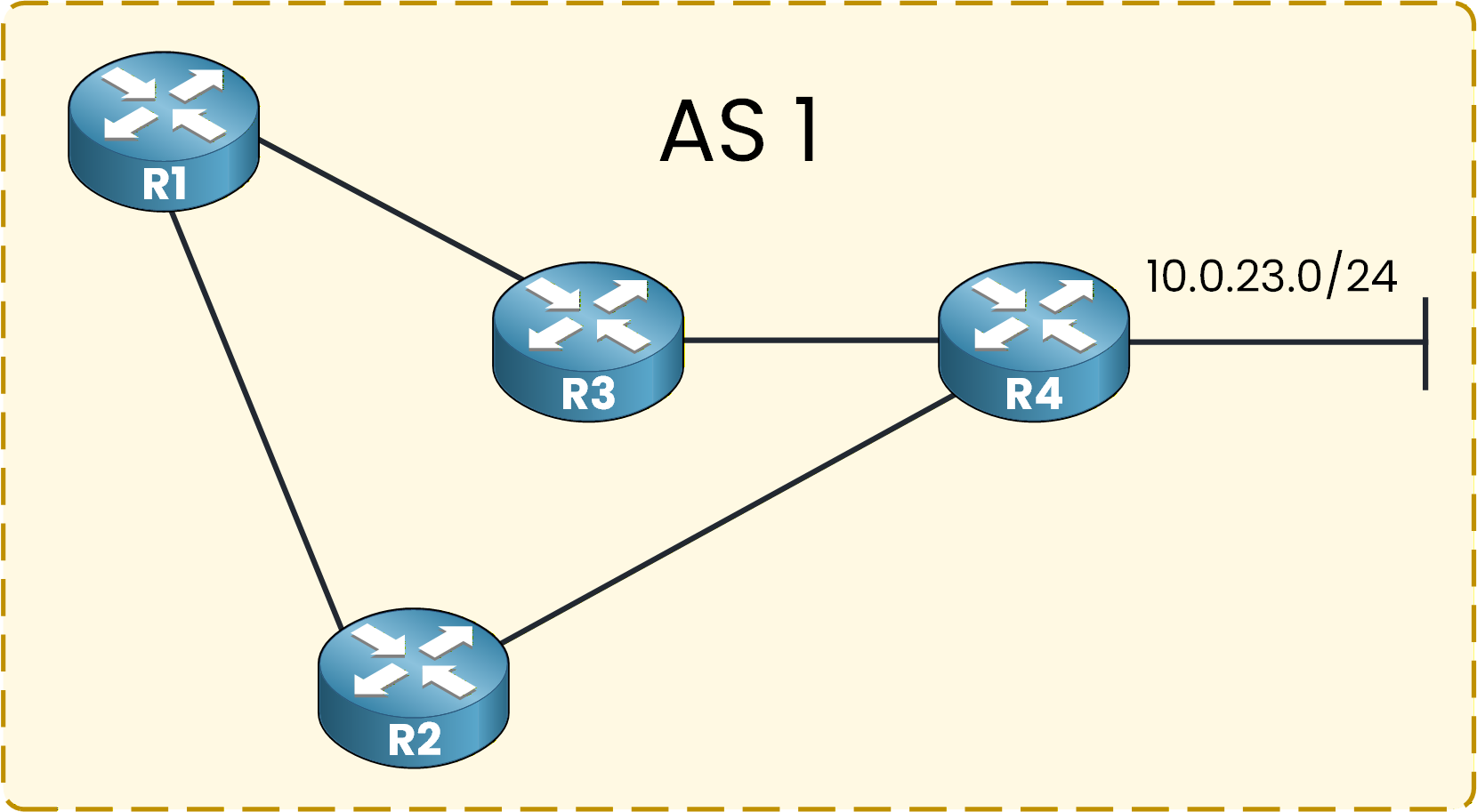
Figure 9 – EIGRP Autonomous System (AS 1)
Only routers configured with the same EIGRP AS number can:
Form neighbor relationships
Exchange routing information
If two routers use different EIGRP AS numbers, they will not become neighbors and will not share routes.
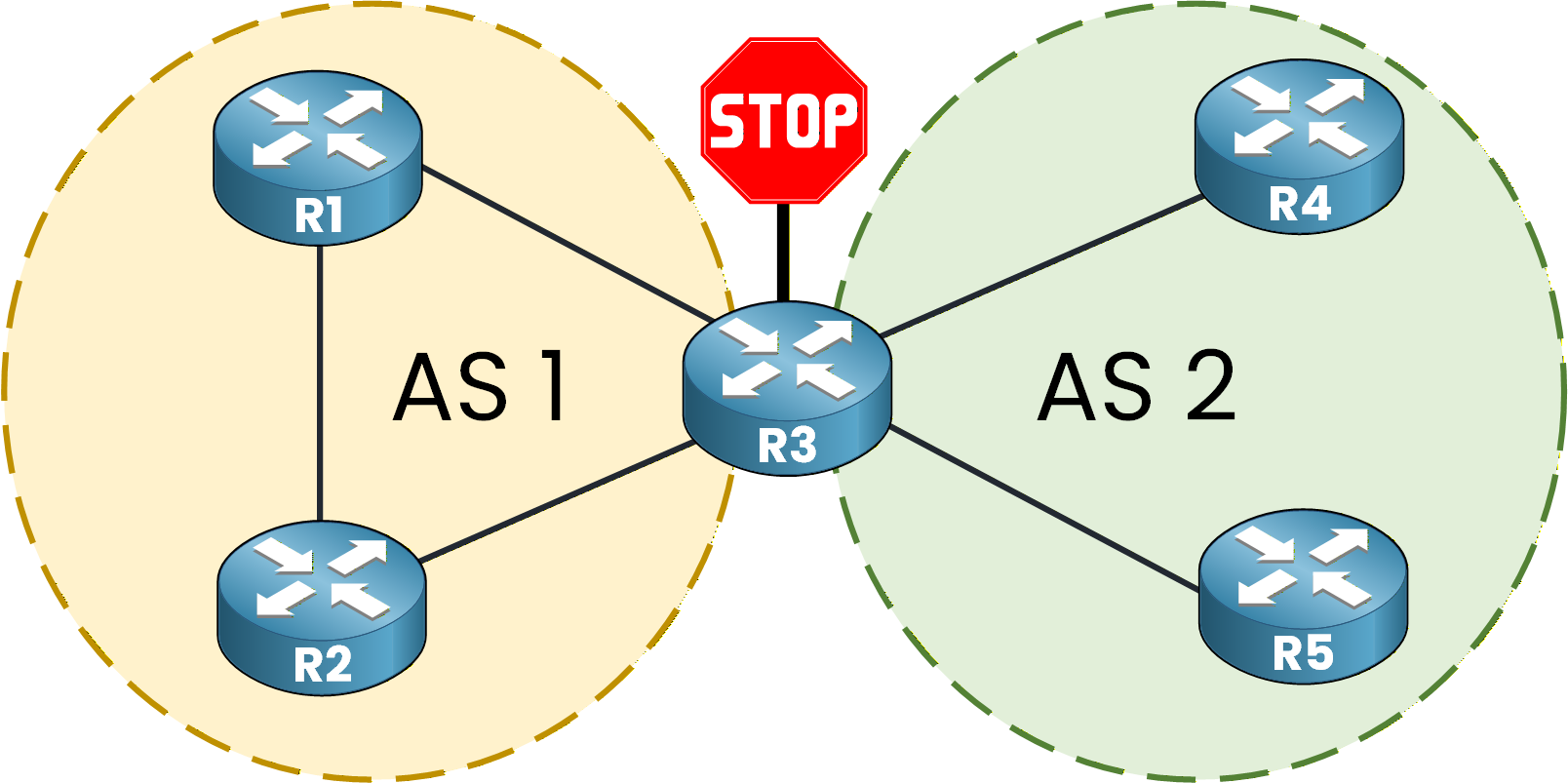
Figure 10 – EIGRP Autonomous System Boundary
Each EIGRP AS operates as an independent routing domain.
Answer the question below
What must you configure to run EIGRP?