You work in the enterprise network of AS 65001.
Your goal is simple: allow your local LAN to reach the LAN of your partner in AS 65003.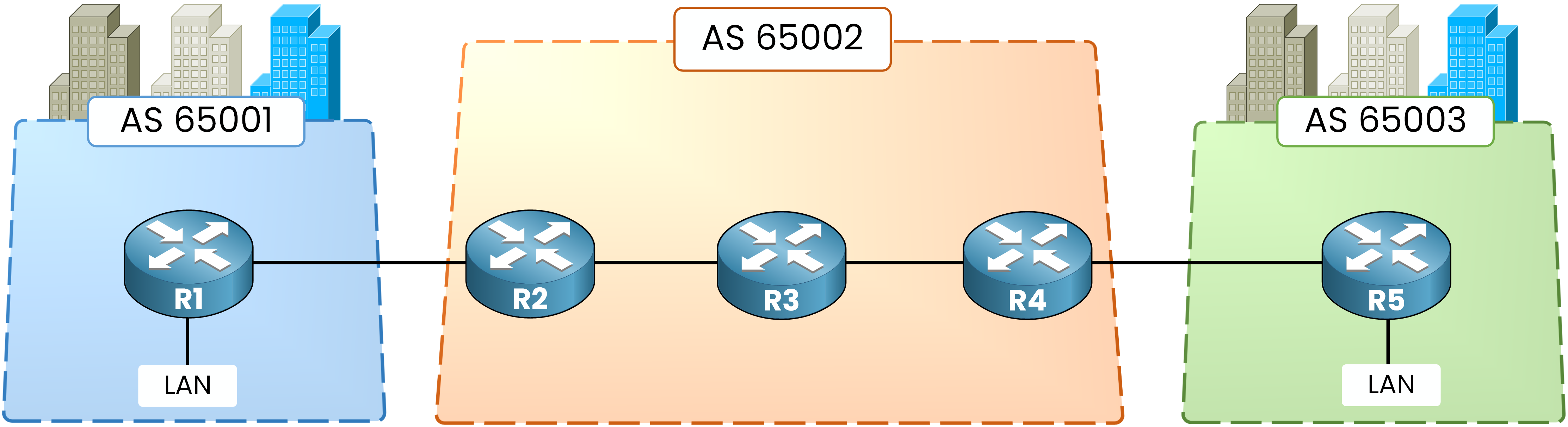
Figure 1 – Two enterprises, one service provider between them
Your two networks sit in different cities with no direct cable between them.
Between them is your Service Provider: AS 65002.Topology & Router Roles
The topology relies on three router positions:
R1: Sits in AS 65001 and advertises your local LAN.
R2 & R4: Sit at the edges of AS 65002. R2 faces your network, while R4 faces your partner.
R3: Sits in the core of AS 65002, connecting R2 and R4.
To reach your partner, your route must enter the provider at R2 and exit at R4.
eBGP Between Autonomous Systems
R1 is in AS 65001 and R2 is in AS 65002.
Because they are in different Autonomous Systems, they use external BGP (eBGP).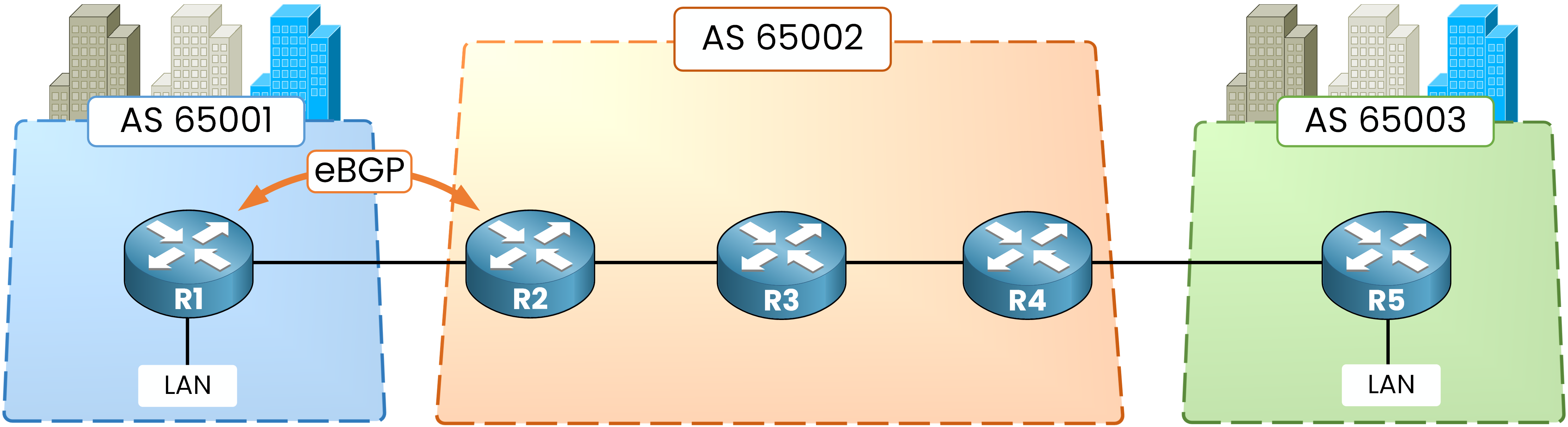
Figure 2 – eBGP runs between two routers in different AS
R1 advertises your LAN, and the route successfully arrives at R2. Then, it stops.
R4 has no idea this network exists, and your partner in AS 65003 will never hear about it.
eBGP only carries routes between different ASes.To move that route across the provider's internal network, we need another mechanism.
Answer the question below
Which router learns your LAN, and then keeps it to itself?
Before R2 can share routes with R4, both routers must be able to reach each other over IP.
That is the job of an Interior Gateway Protocol (IGP), in this case, OSPF.Provider IGP Reachability
OSPF covers the provider's internal links (R2–R3 and R3–R4), and nothing else.
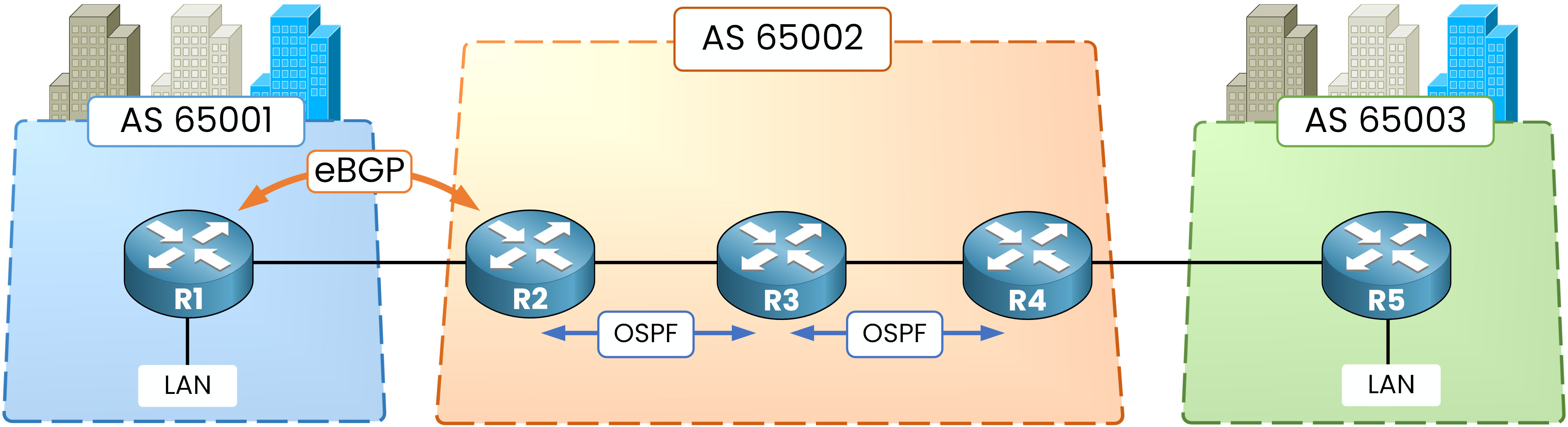
Figure 3 – OSPF runs on the provider's internal links only
40 % Complete: you’re making great progress
Ready to pass your CCNP exam?