In the previous lesson, you calculated two total metrics from R1 toward 10.0.23.0/24: 3072 via R3 and 3328 via R2.
At this point, you have two possible paths to reach 10.0.23.0/24.
R1 compares all available paths.
The path via R3 has the lowest total metric (3072).That value becomes R1’s Feasible Distance (FD), and this path is selected as the Successor.
Defining the Successor Route
The Successor is simply the path with the lowest Feasible Distance.
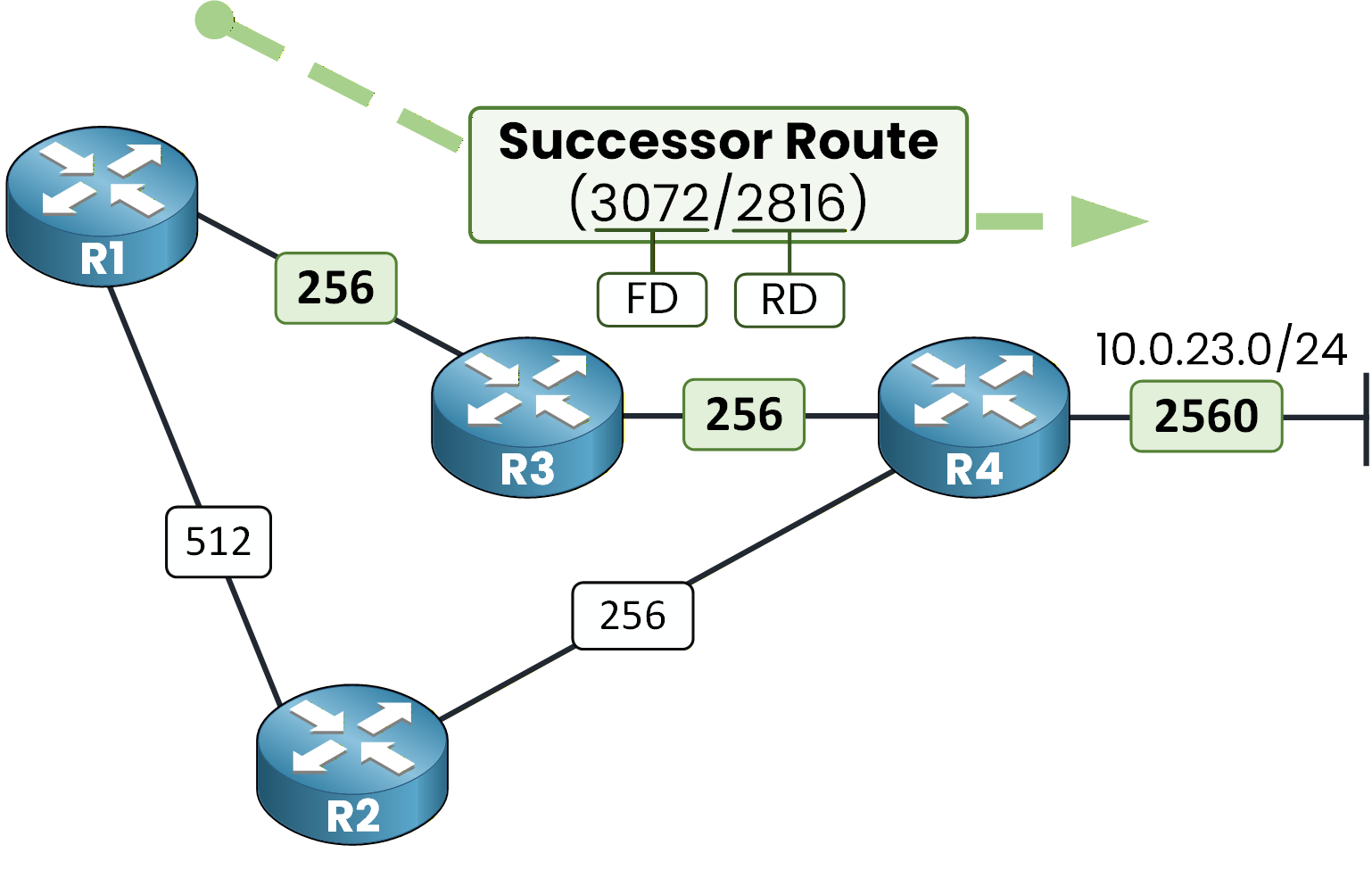
Figure 1 – Successor Route with Feasible Distance and Reported Distance
When a route becomes the Successor, EIGRP:
Installs it in the routing table
Marks it as the successor in the topology table
Displays both its FD and RD
Here is what you see on R1:
R1# show ip eigrp topology
EIGRP-IPv4 Topology Table for AS(1)/ID(1.1.1.1)
Codes: P - Passive, A - Active, U - Update, Q - Query, R - Reply,
       r - reply Status, s - sia Status

P 10.0.23.0/24, 1 successors, FD is 3072
        via 10.0.13.2 (3072/2816), GigabitEthernet0/1 <--- Successor Route
        via 10.0.12.2 (3328/2816), GigabitEthernet0/2
For the network 10.0.23.0/24, you can see two paths.
The first entry is the Successor Route because it has:
The lowest total metric (FD = 3072)
A Reported Distance of 2816
As you move forward, remember this:
EIGRP, through the DUAL algorithm, always tries to keep a backup path ready.In the next section, you will see how EIGRP decides whether a backup route can be used immediately without causing a loop.
Answer the question below
The path with the lowest what becomes the EIGRP Successor?
EIGRP tries to keep a loop-free backup path whenever possible.
The goal is simple: if the primary route fails, you can switch immediately without recalculating the entire network.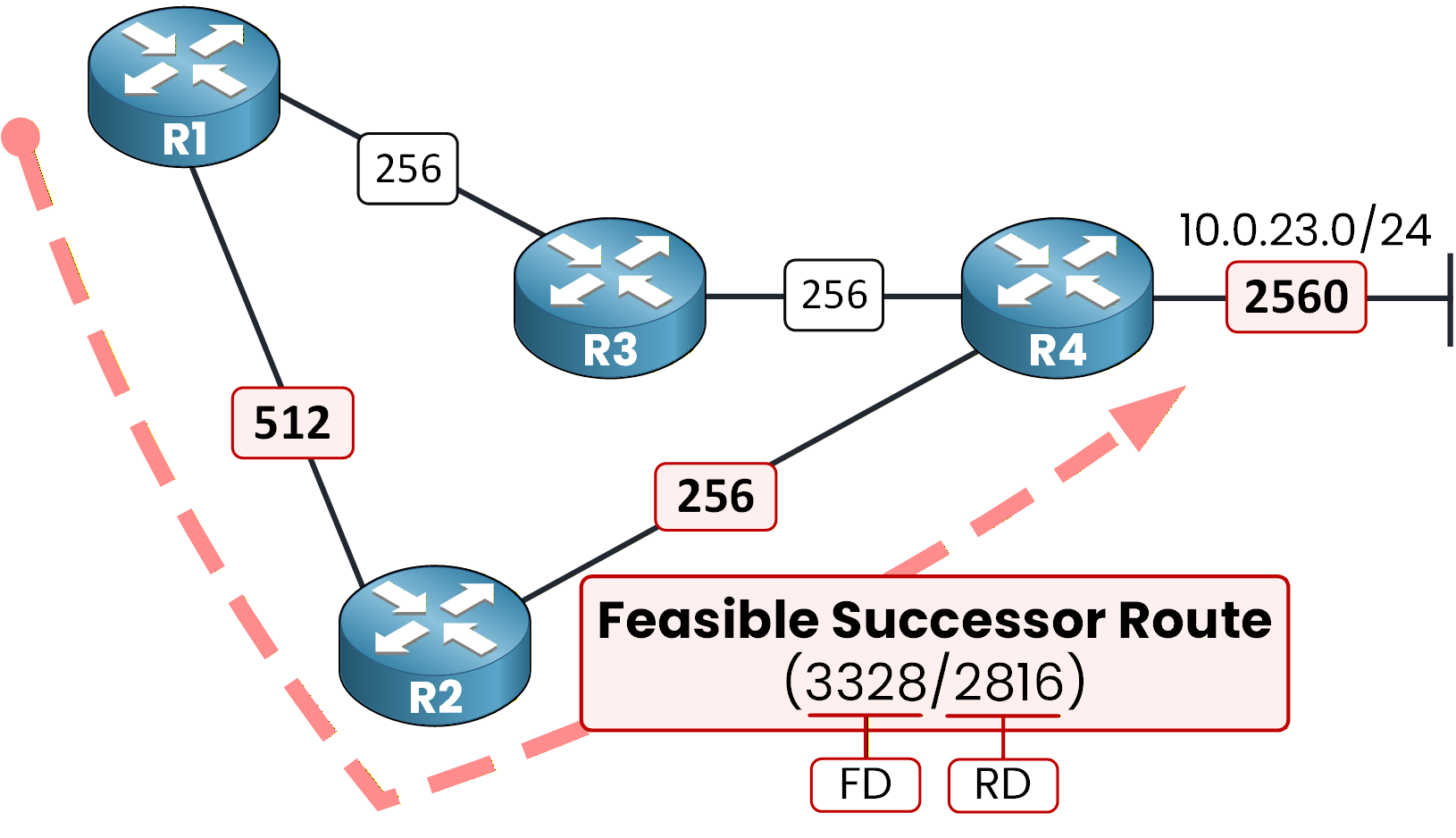
Figure 2 – Feasible Successor Route with Feasible Distance and Reported Distance
Reading the Backup Path
This backup path is called the Feasible Successor.
In your scenario, the second path (via R2) is stored in R1’s topology table as a candidate backup route.R1# show ip eigrp topology EIGRP-IPv4 Topology Table for AS(1)/ID(1.1.1.1) Codes: P - Passive, A - Active, U - Update, Q - Query, R - Reply, r - reply Status, s - sia Status P 10.0.23.0/24, 1 successors, FD is 3072 via 10.0.13.2 (3072/2816), GigabitEthernet0/1 via 10.0.12.2 (3328/2816), GigabitEthernet0/2 <--- Feasible Successor RouteFor each path, the topology table stores:
The total metric (candidate Feasible Distance)
The Reported Distance (RD) advertised by the neighbor
You can see both values inside the parentheses (FD/RD format).
Answer the question below
In the pair (3328/2816), which value is the Reported Distance?
Before EIGRP accepts a backup route, it must verify one strict rule.
A route becomes a Feasible Successor only if:Its Reported Distance (RD) is strictly lower than the Feasible Distance (FD) of the current Successor.
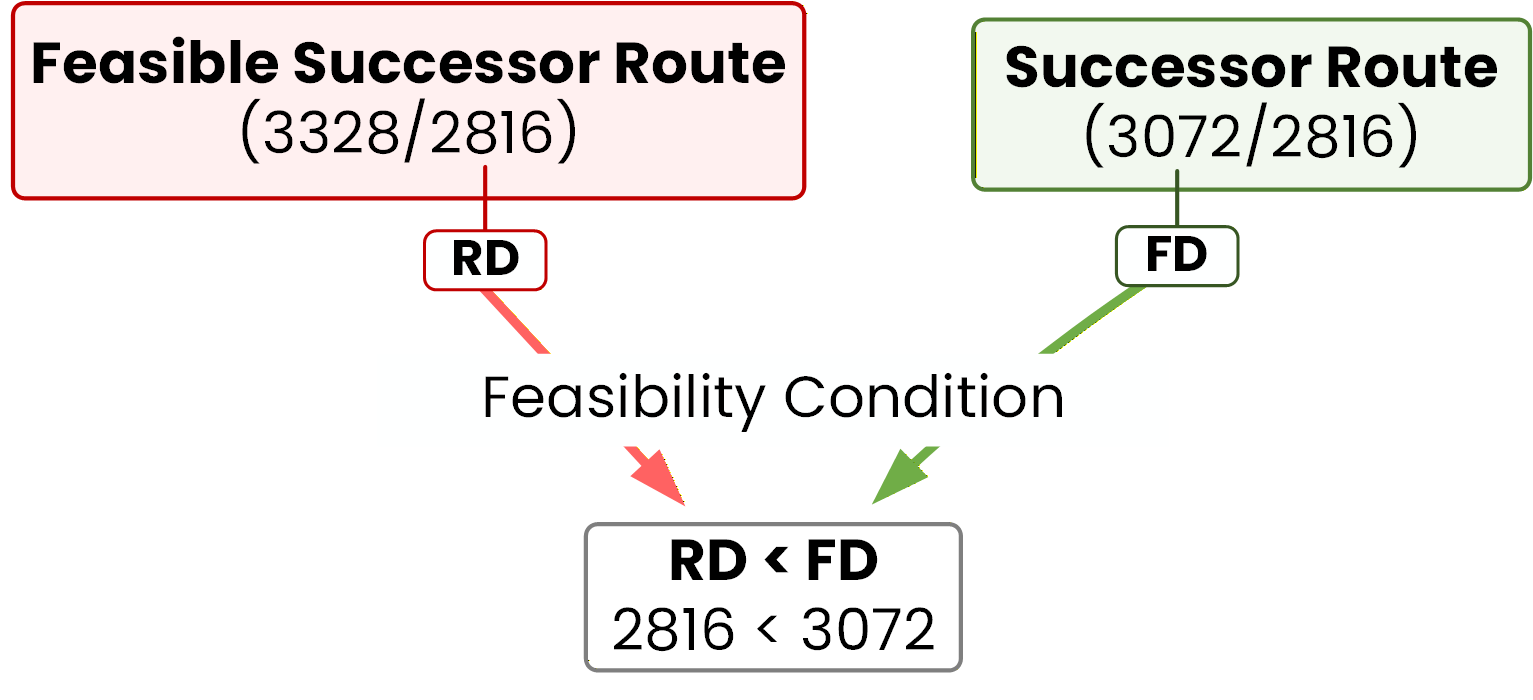
Figure 3 – Feasibility Condition Verification
In your case:
2816 < 3072Because the neighbor’s RD (2816) is lower than R1’s current FD (3072), the path via R2 satisfies the Feasibility Condition.
So what happens?
The route is kept in the topology table as a Feasible Successor
It is not installed in the routing table unless the Successor fails
This rule guarantees that the backup path is loop-free.
EIGRP verifies that the neighbor advertises a distance smaller than your current best distance to the destination.The Feasible Successor stays in the topology table and carries no traffic. In the next lesson, you make EIGRP use it.
Answer the question below
What condition must be true for a route to become a Feasible Successor?