To understand how EIGRP converges, you first need to understand how it detects a failure.
By default, EIGRP routers send Hello packets to their neighbors:Every 5 seconds on Ethernet interfaces
Every 60 seconds on low-speed WAN links
These Hello packets maintain neighbor relationships.
Hello and Hold Timers
If a router stops receiving Hello packets from a neighbor for the duration of the Hold Time, it considers that neighbor unreachable.
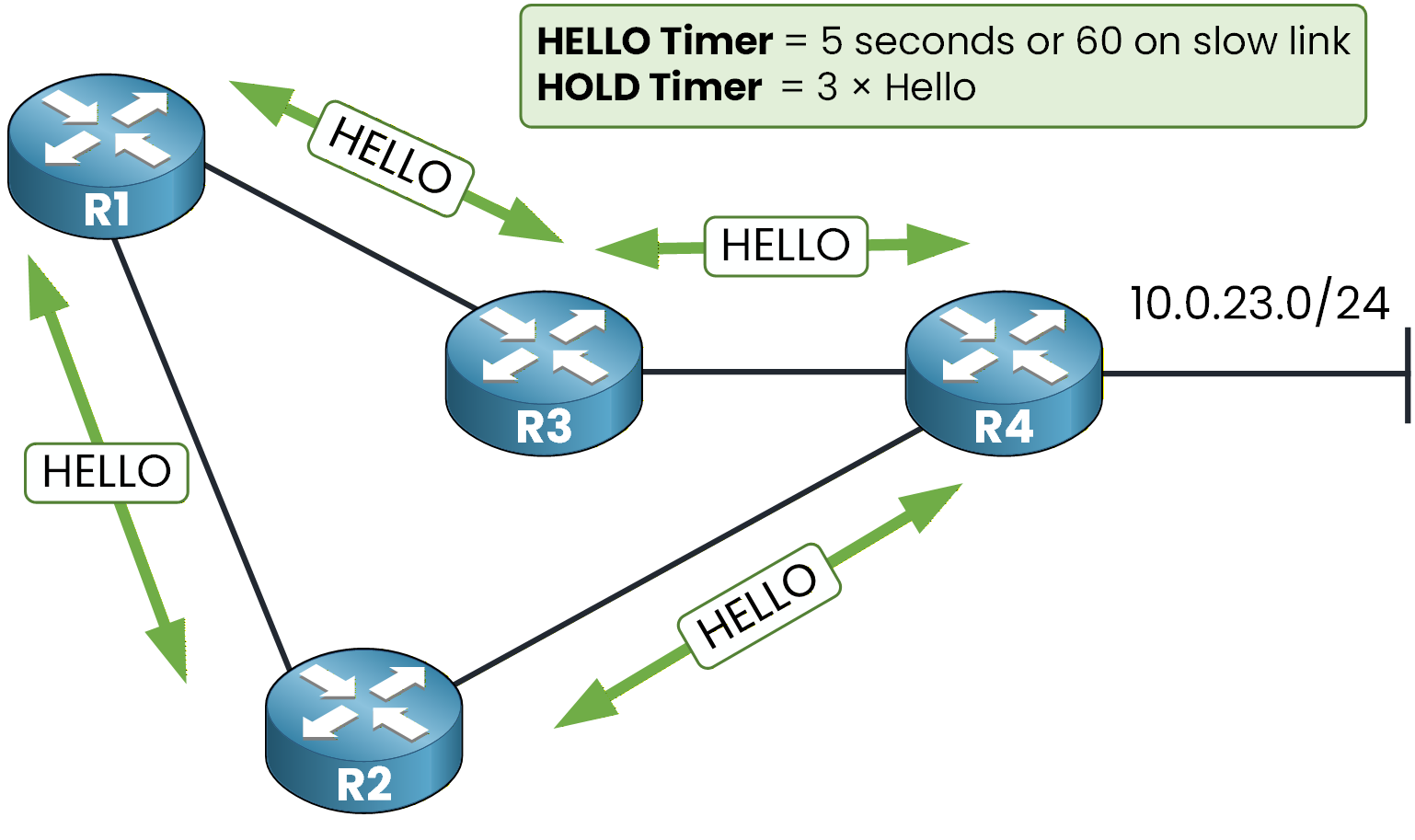
Figure 1 - Hello and Hold Timer EIGRP
The Hold Time is typically three times the Hello interval.
When the Hold Time expires:
The neighbor is removed from the neighbor table
DUAL is notified
A convergence process begins
At this point, EIGRP must determine whether it can immediately switch paths or if a recalculation is required.
CCNP ENCOR Focus
For ENCOR, you must understand what triggers convergence and what happens next (neighbor loss, DUAL notification, path decision).
You are not required to understand DUAL’s internal mathematical computations in depth.Successor and Feasible Successor
EIGRP operates proactively.
For every network, it calculates:
A Successor — the best path (installed in the routing table)
A Feasible Successor — a backup path that has already been validated
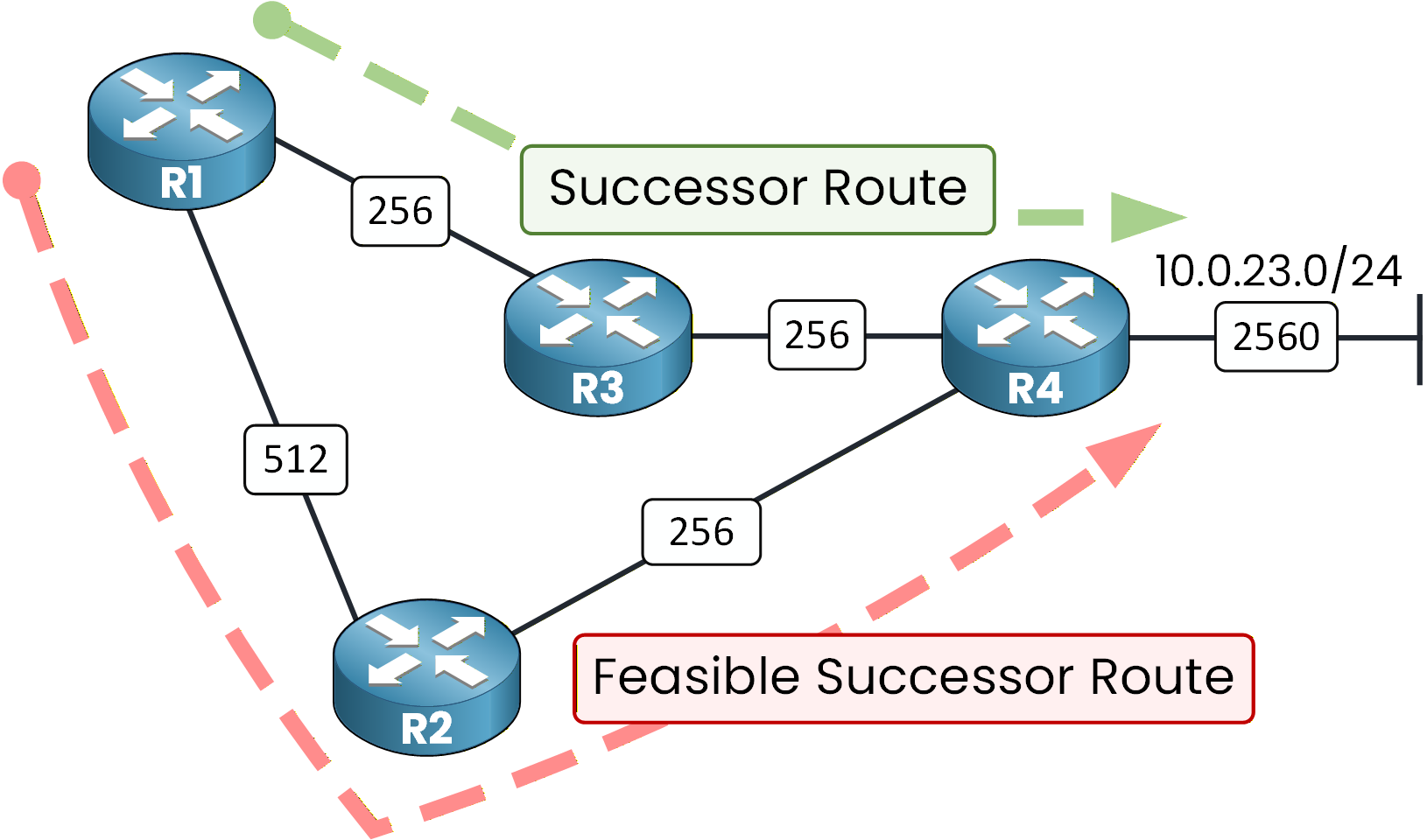
Figure 2 – Successor and Feasible Successor
A Feasible Successor is only accepted if its Reported Distance is lower than the current Feasible Distance.
This is known as the Feasibility Condition.Because EIGRP pre-validates backup paths, it can converge very quickly when failures occur.
Link Failure Scenario
Now imagine a link failure.
The router loses its Successor for a given network.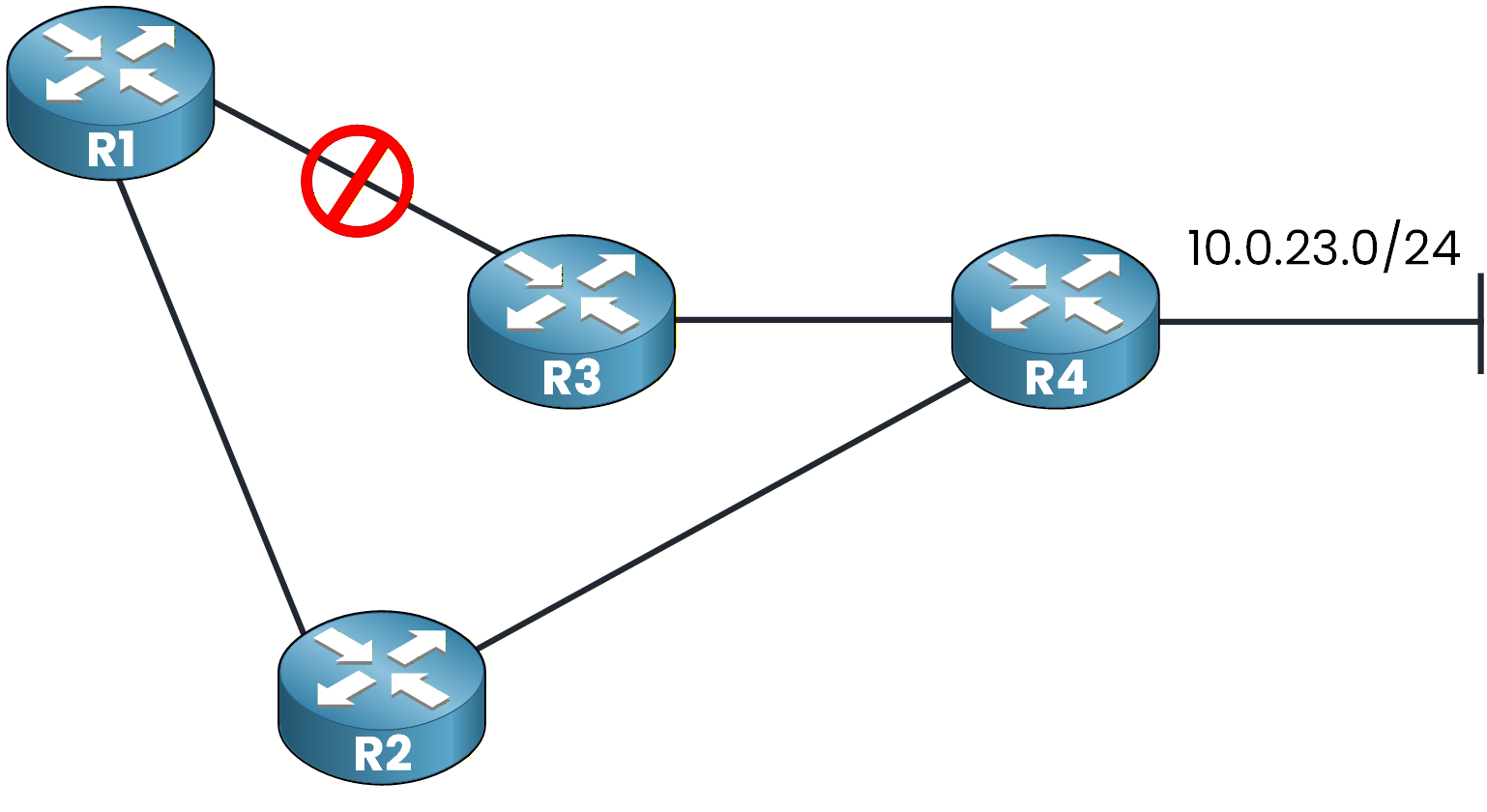
Figure 3 – Link Failure Scenario
At this point, two scenarios are possible:
A Feasible Successor exists
No Feasible Successor is available
What happens next depends entirely on whether a valid backup path was already calculated.
Answer the question below
What determines whether EIGRP switches immediately or must perform a full recalculation?
When a Feasible Successor already exists in the topology table, the router does not need to recalculate the entire EIGRP domain.
A valid backup path is already available.Failure Occurs but Backup Exists
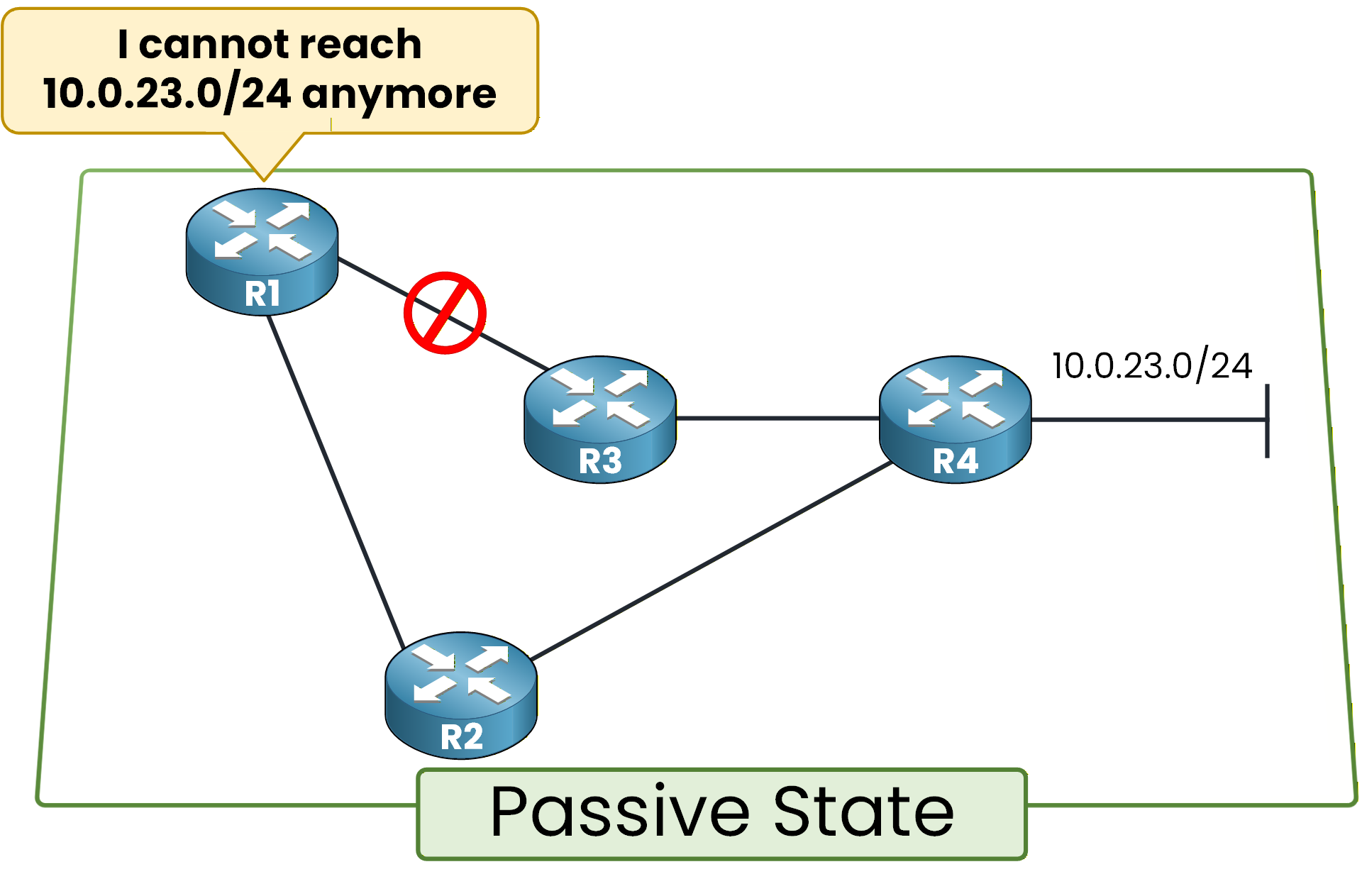
Figure 4 – Passive with Feasible Successor
In this scenario, the router loses its Successor due to a link failure.
However, a Feasible Successor already satisfies the Feasibility Condition.Because the backup path was pre-validated, the router can immediately use it.
The route remains in a Passive state.Passive means:
The route is stable
No global recalculation is in progress
Convergence is fast and local.
Immediate Switchover
The Feasible Successor immediately becomes the new Successor.
Traffic is redirected to the new best path without delay.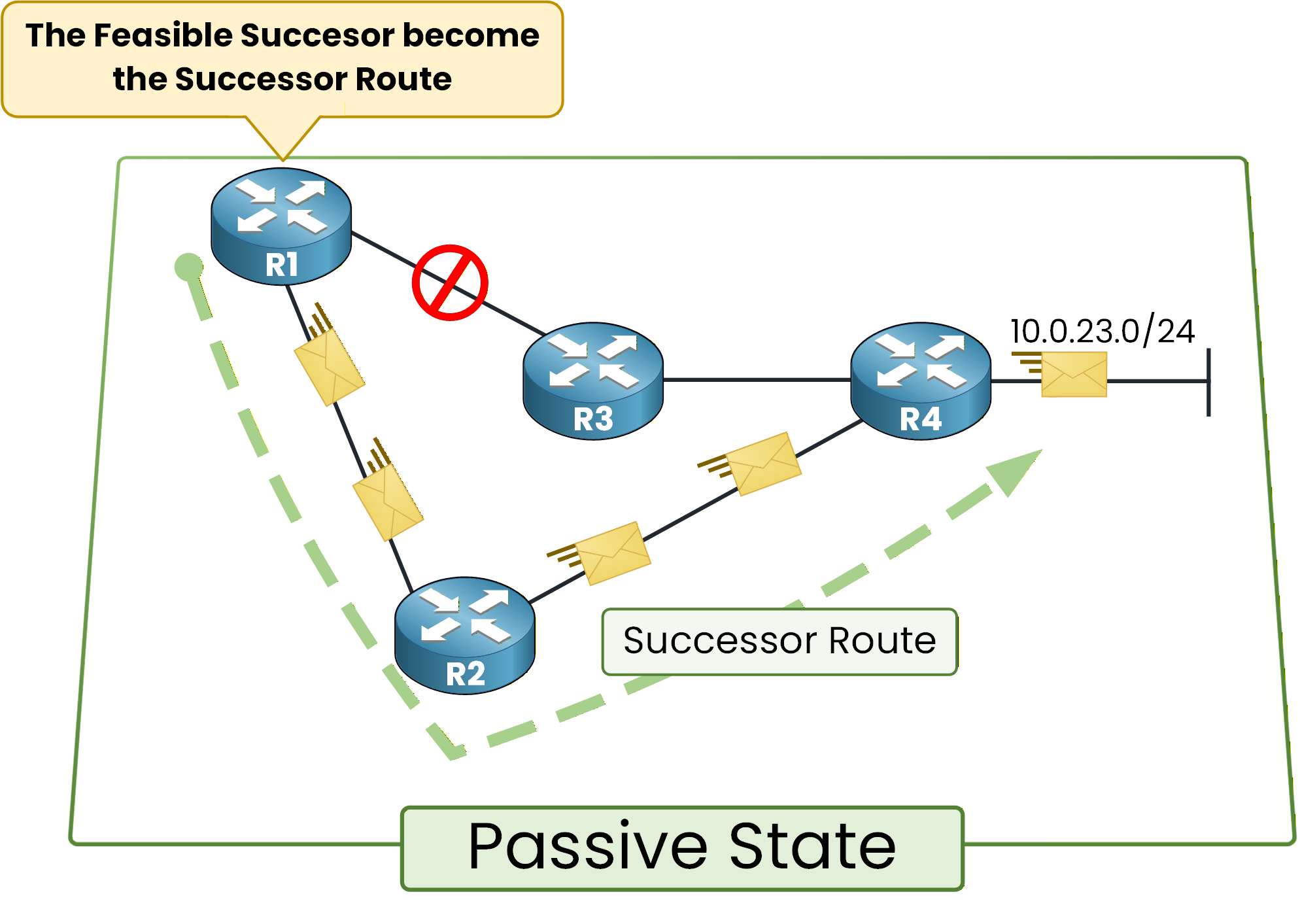
Figure 5 – Feasible Successor Switchover
No full recalculation is required because the backup path had already been validated before the failure occurred.
This mechanism is what allows EIGRP to provide rapid convergence.Answer the question below
In this scenario, what state does the route remain in after the failure?
Now let’s look at the opposite case.
The router loses its Successor, and no Feasible Successor satisfies the Feasibility Condition.There is no valid backup path available.
No Backup Available
At this point, the route is still in a Passive state, but the router has just lost its primary path.
Because no Feasible Successor exists, the router cannot immediately switch to an alternative path.
A full recalculation will be required.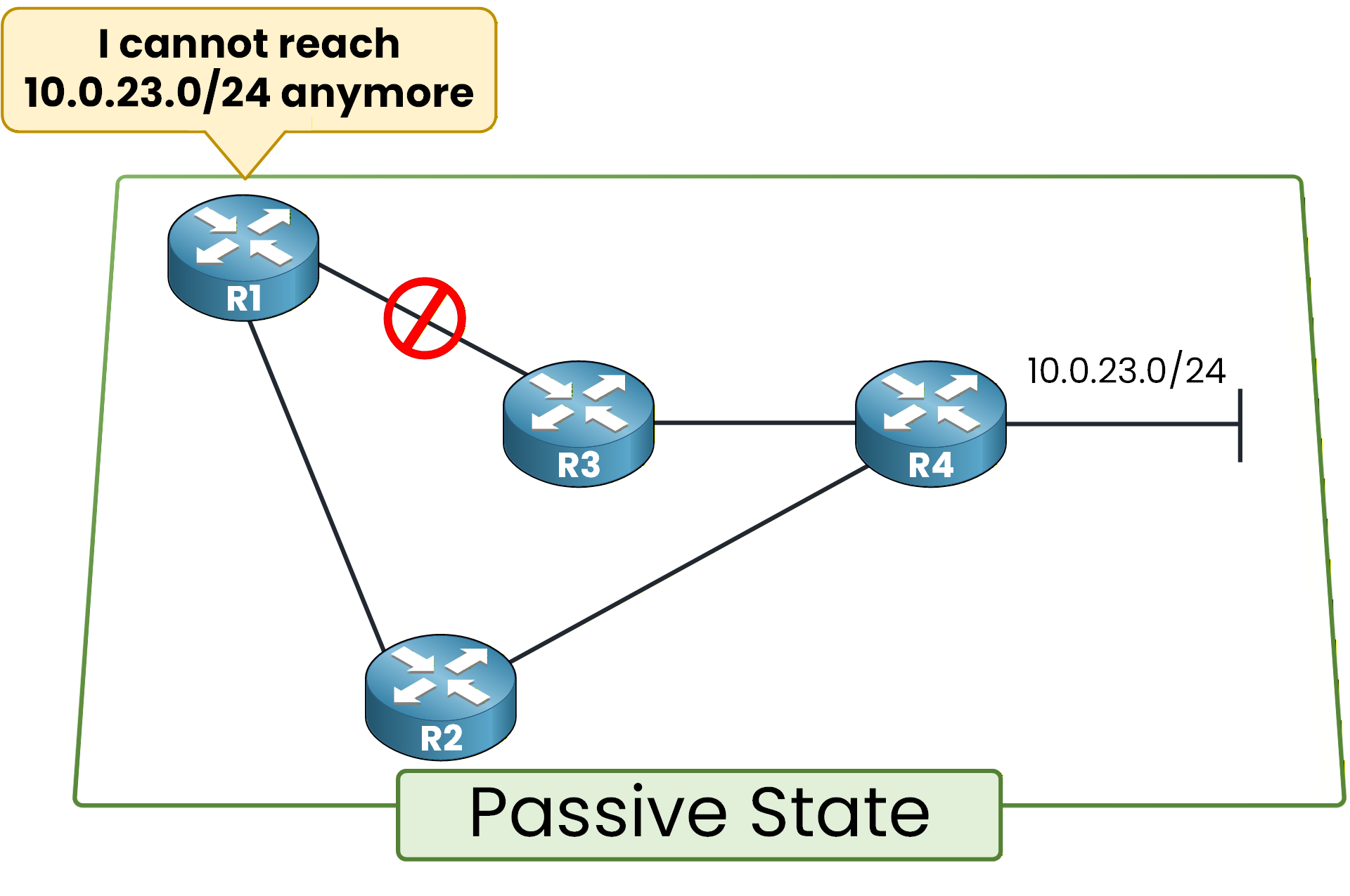
Figure 6 – Passive Before Recalculation
Route Transitions to Active
The route then moves from the Passive state to the Active state.
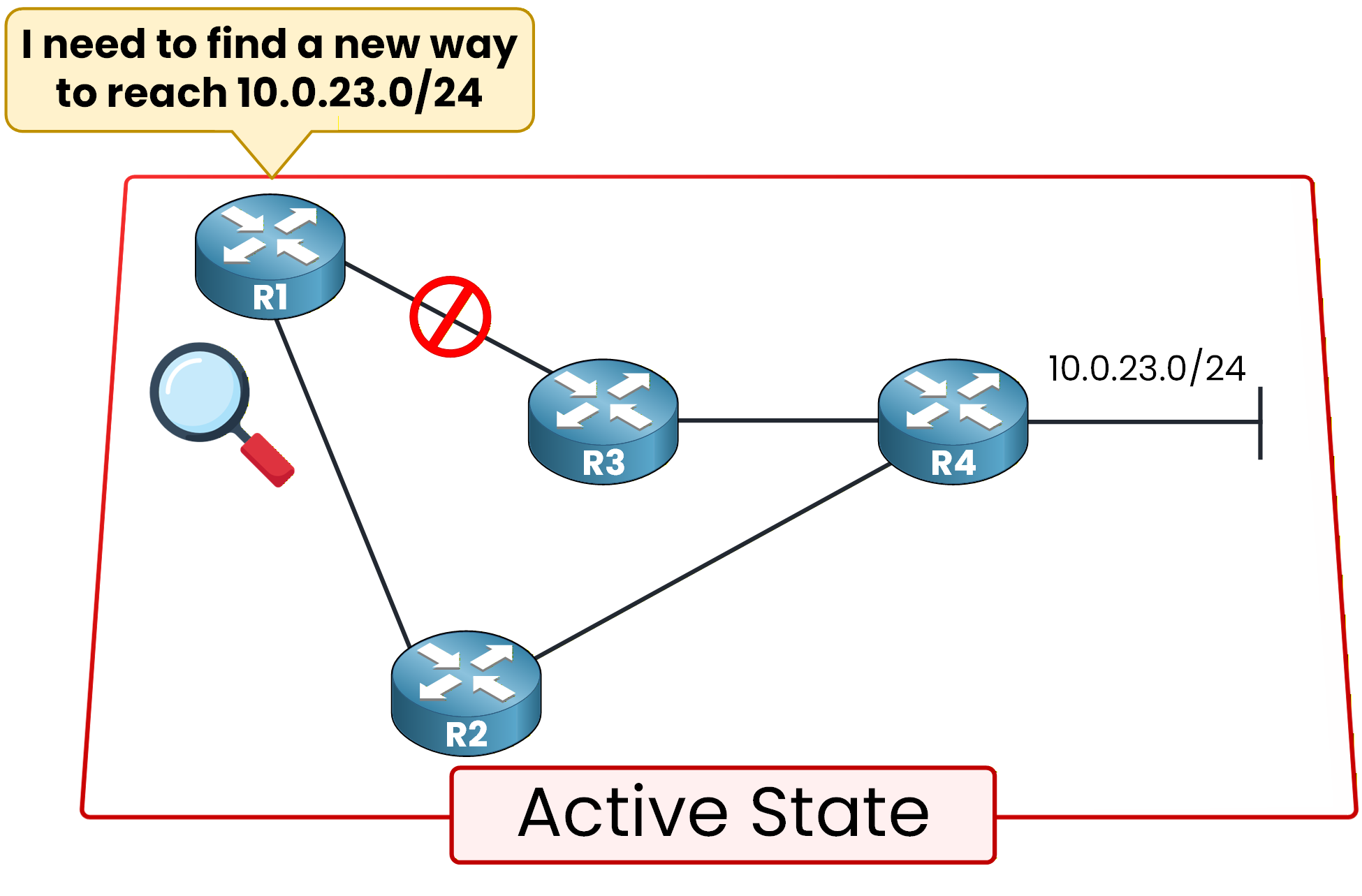
Figure 7 – Active State Without FS
Active means that a recalculation is in progress.
EIGRP must dynamically determine the best available path within the domain.Since no pre-validated backup exists, convergence takes longer than in the previous scenario.
The key difference is simple:
With a Feasible Successor → immediate switchover
Without a Feasible Successor → full recalculation required
This is why the Feasibility Condition plays such a critical role in EIGRP convergence.
Answer the question below
When no Feasible Successor exists, what state does the route transition to?
As networks grow, convergence can impact multiple routers across the EIGRP domain.
When a failure occurs and no Feasible Successor exists, recalculations may affect a larger portion of the network.
This is where summarization becomes important.Limiting the Scope of Convergence
EIGRP supports manual route summarization at the interface level.
When you summarize routes:
Multiple specific networks are advertised as a single summary route
Routing tables become smaller
The scope of recalculations is reduced
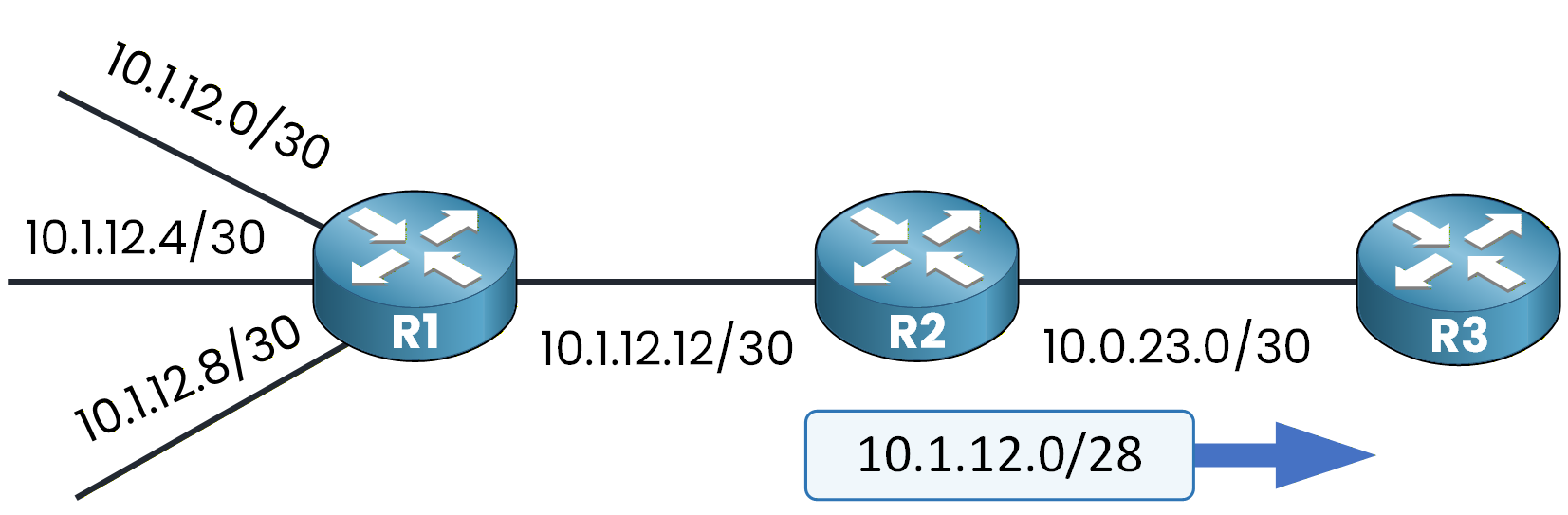
Figure 8 – EIGRP Route Summarization
Summarization effectively limits how far a topology change can propagate.
In a well-designed hierarchical network, summarization helps:
Improve scalability
Reduce convergence impact
Increase overall network stability
A properly structured EIGRP design directly improves convergence performance.
Answer the question below
What does summarization reduce during convergence?