IBGP requires a full mesh of peerings to prevent routing loops.
As your network grows, maintaining all those sessions becomes complex.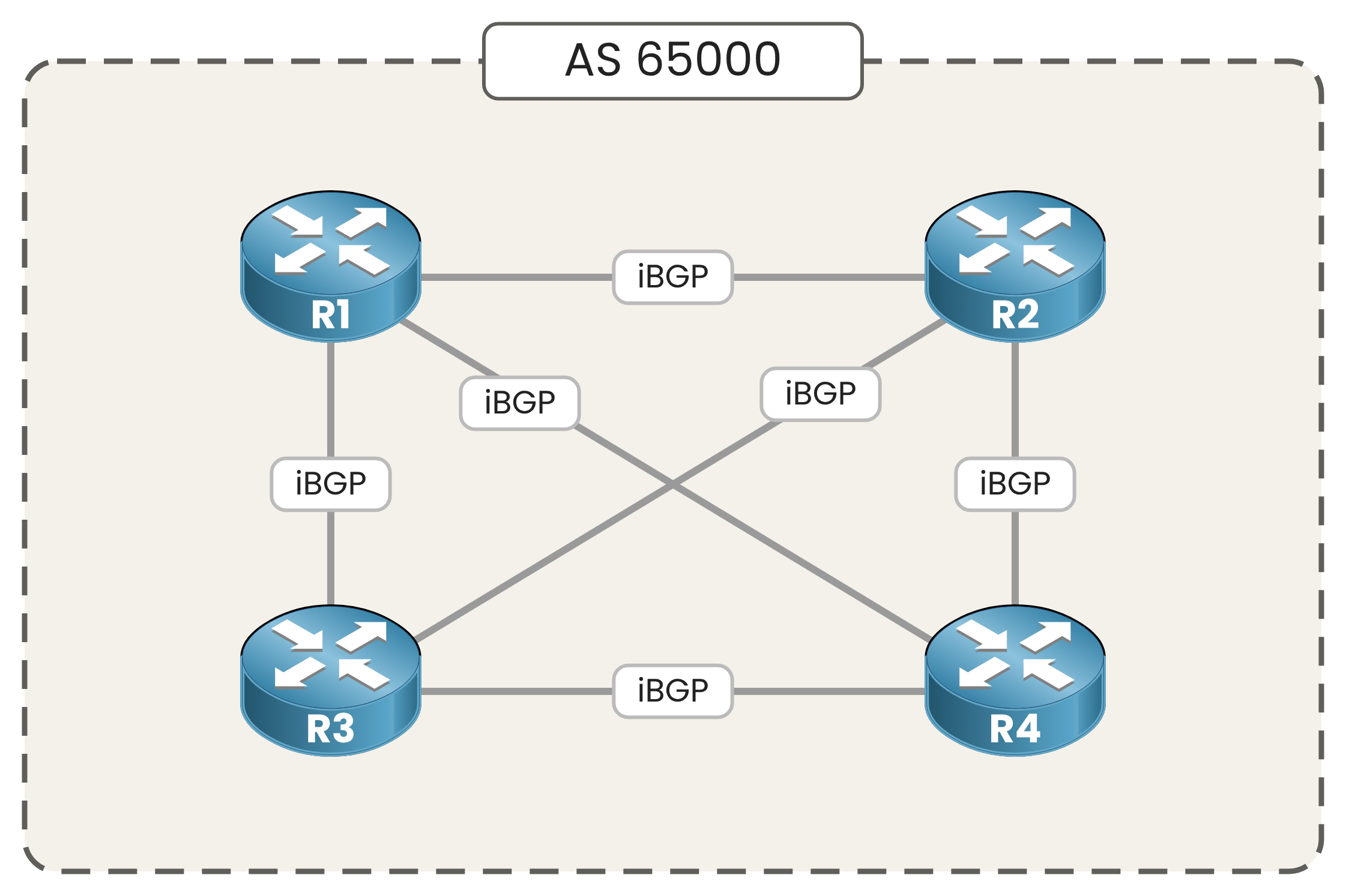
Figure 1 – AS 65000 before the split: four routers, six iBGP sessions
The Full Mesh Problem
You have two solutions to break the full mesh requirement:
Route Reflectors: One router reflects updates between its clients.
Confederations: Divide one large AS into smaller, independent sub-ASes.
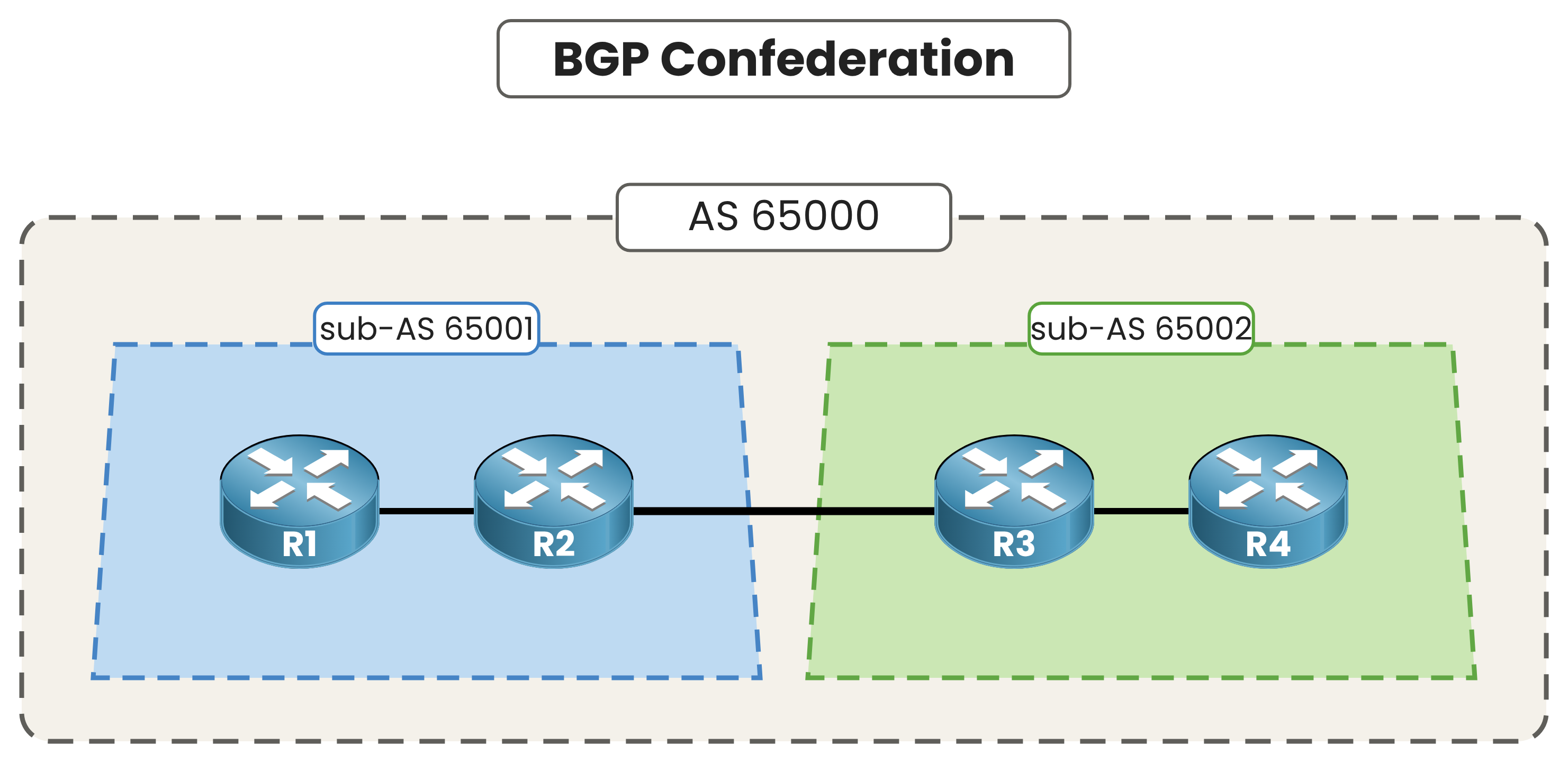
Figure 2 – Principle of BGP Confederation
Sub-AS Division
Confederations solve this by dividing AS 65000 into sub-AS 65001 and sub-AS 65002.
The full mesh does not disappear. It still applies inside each sub-AS, on a much smaller group of routers.
Answer the question below
How many sub-ASes does AS 65000 contain in this design?
Route Reflectors and Confederations differ mainly in how heavily you must redesign your network topology.
RR vs Confederation
Route Reflectors: (RFC 4456) Easy to deploy. AS numbers never change. They work well in simple topologies but can cause sub-optimal routing in complex networks.
Confederations: (RFC 5065) Require a full BGP redesign, since every router changes AS number. They use eBGP-like rules between sub-ASes for better path control.
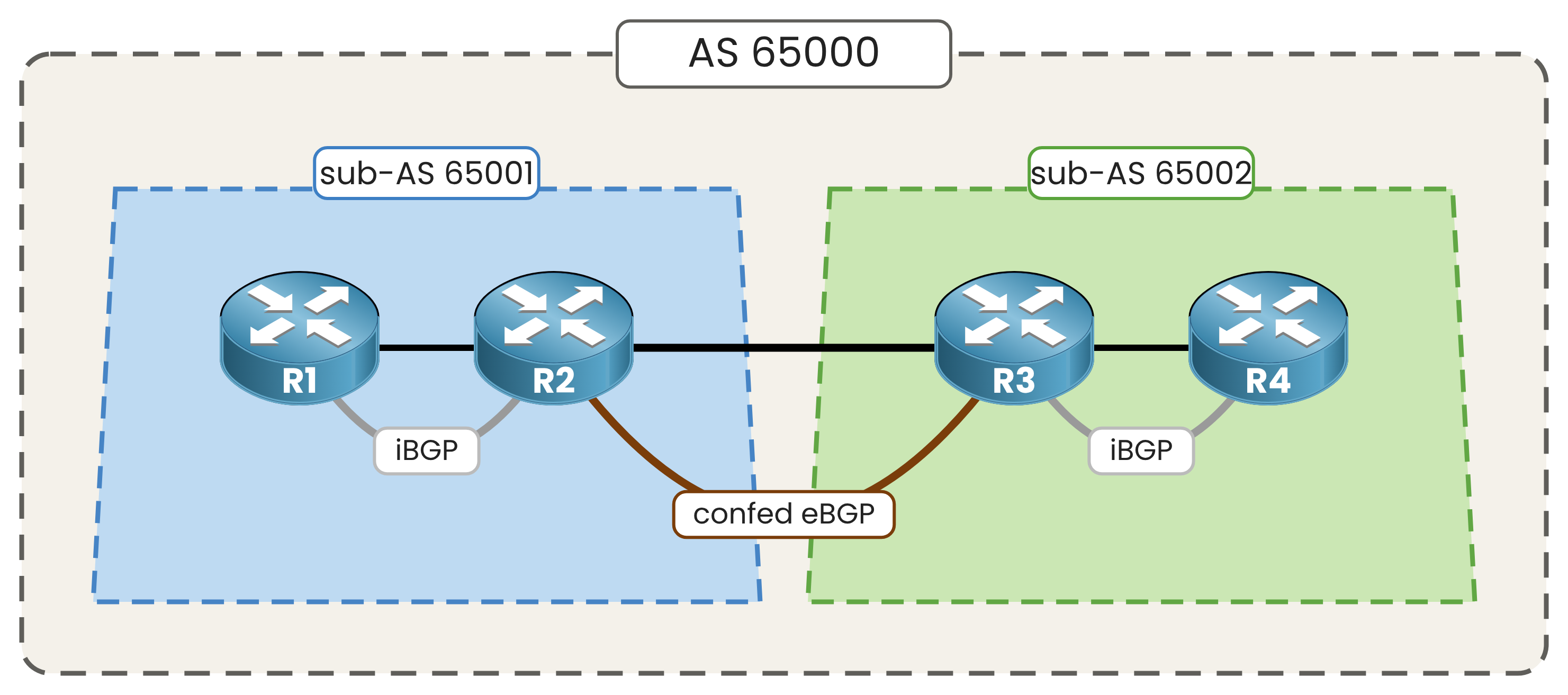
Figure 3 – One AS divided into two sub-ASes with session types
40 % Complete: you’re making great progress
Ready to pass your CCNP exam?