In the previous lessons you built a simple hierarchy: R1 learning time from a public NTP server, and SW1 learning time from R1.
In a big enterprise network, you often set up several NTP servers. This ensures redundancy and reliability.Many NTP Servers for Redundancy
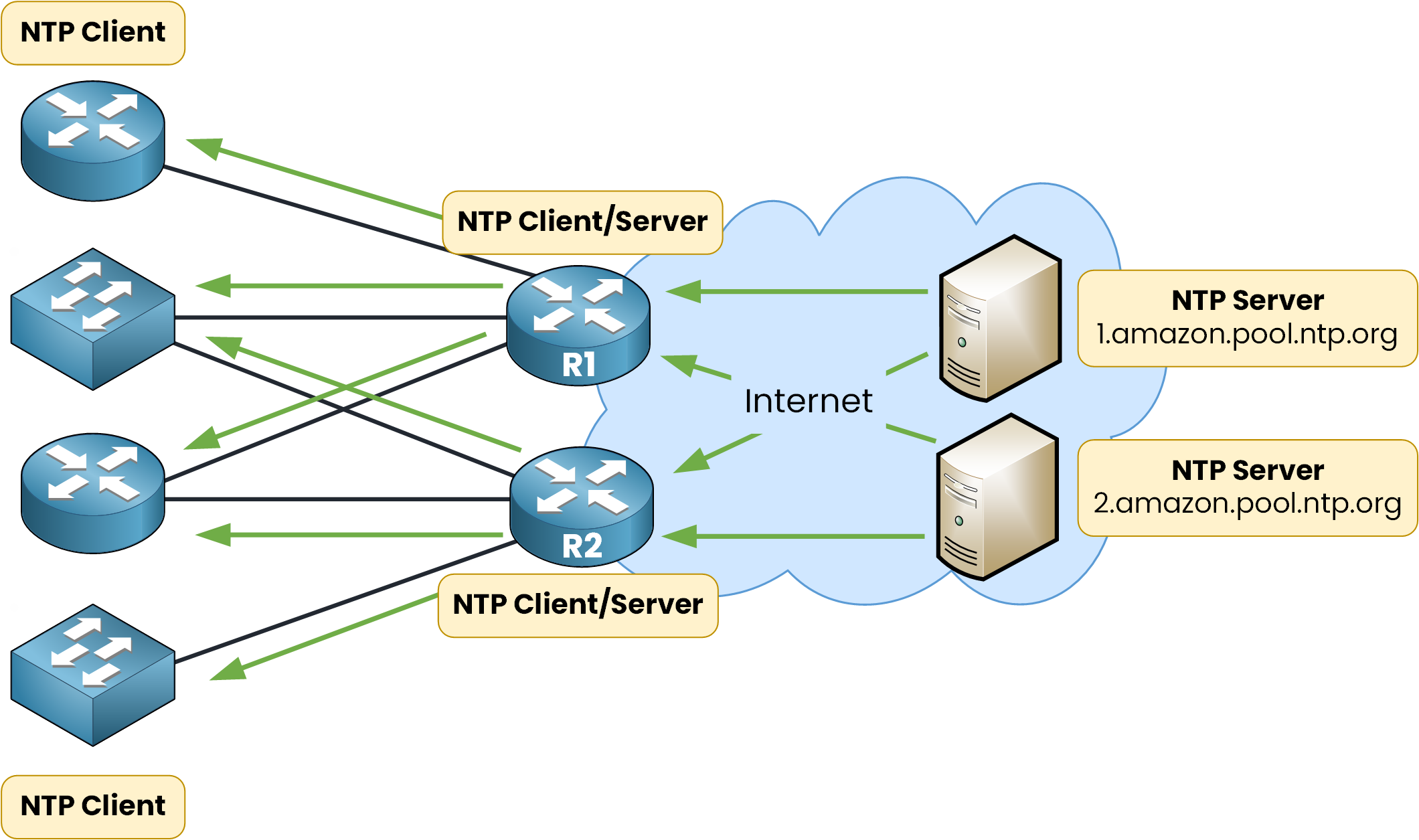
Figure 1 – NTP Clients and Servers with many peers
In this example, the public NTP Servers from Amazon (1.amazon.pool.ntp.org and 2.amazon.pool.ntp.org) are used to synchronize the internal network.
Configuring NTP Master
The border routers (R1 and R2) are configured as NTP Masters with a stratum level of 6, using the command:
ntp master 6By default,
ntp masteruses stratum 8. Here, we lower it to 6 so NTP clients see the routers as more reliable sources during an outage.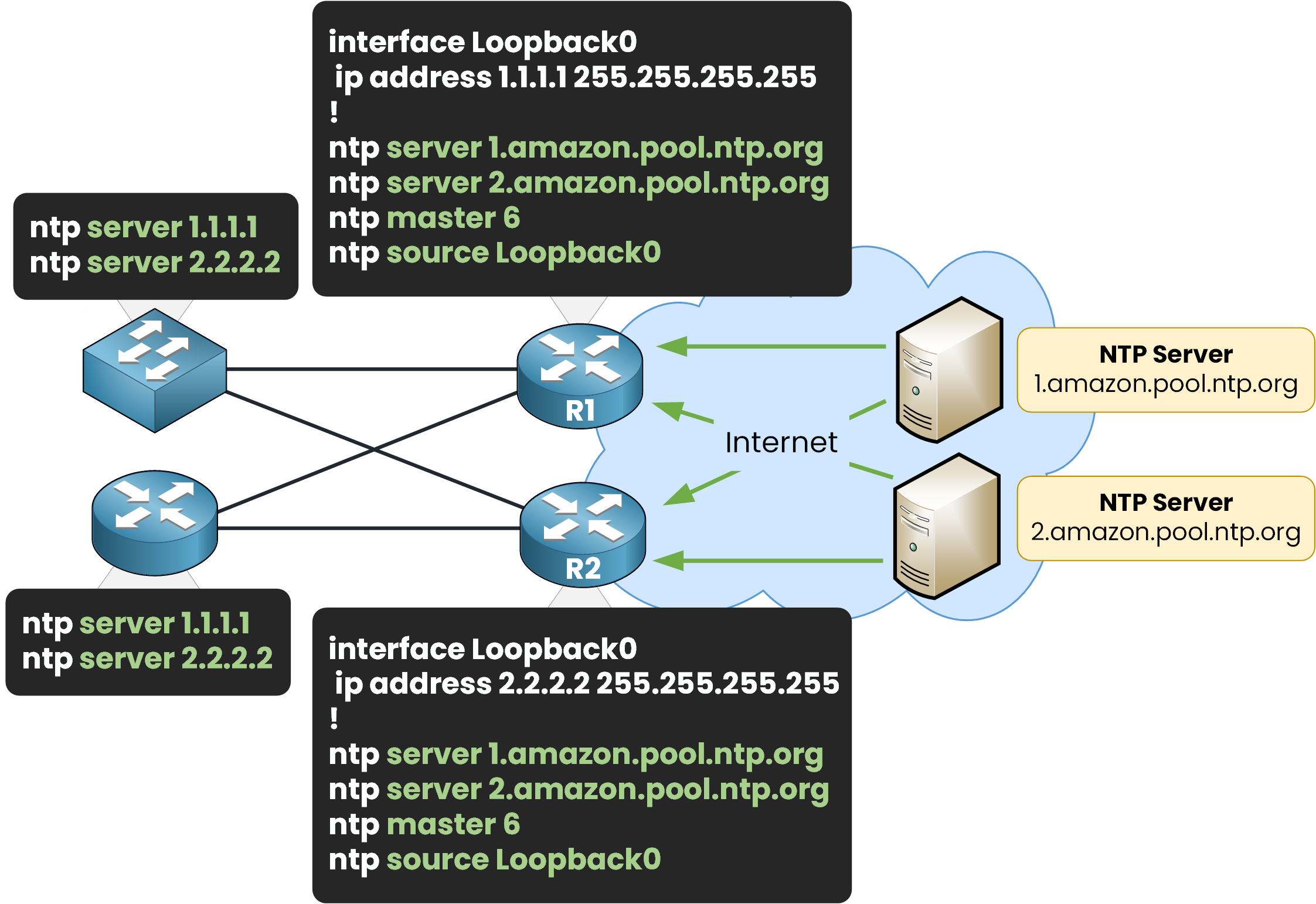
Figure 2 – NTP configuration with Loopback Source and many Servers
This means that if external servers can't be reached, these routers will still provide time to internal devices using their own clock.
Using a Loopback Interface as the NTP Source
It's also common to configure a loopback interface as the NTP source on the Server. This way, the NTP packets are sent using the loopback IP address, which remains the same even if a physical interface changes state. You can do this with
ntp source loopback0.Using a loopback source improves stability and avoids IP changes that could disrupt the time synchronization.
Answer the question below
What interface is often used as the NTP source for stability?
The following points summarize the most important concepts and best practices covered in the NTP lessons.
Core concepts
NTPv4 over UDP/123 (RFC 5905). Devices exchange timestamps, not human-readable dates.
Stratum: 0 = reference (GPS/atomic), 1 = servers tied to 0, 2+ = downstream.
Lower is better; 16 = unsynchronized.Device clocks drift. Prefer NTP over manual time for accuracy.
Operations and troubleshooting
Be patient: NTP converges slowly (polls in minutes).
NTP Master:
ntp master [stratum](default 8) keeps clocks coherent if upstream NTP fails.Enterprise NTP Networks: redundant NTP source, loopbacks with
ntp source loopback0.
Answer the question below
What is the default stratum of a router configured with ntp master?