Why Are There So Many Outages? Microsoft, US Flights, Chase and Apple Explained
· 7 min read
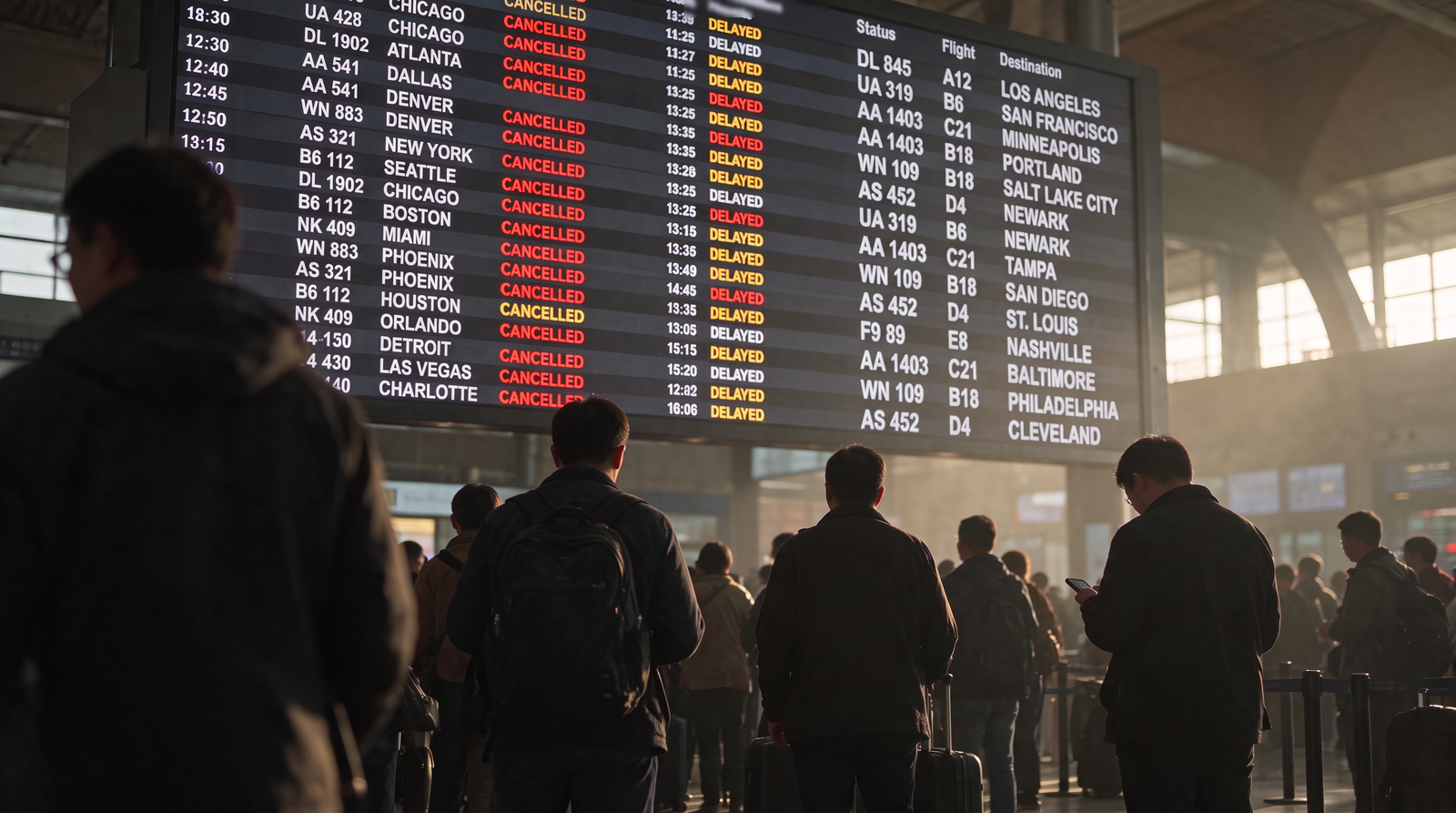
Thursday, Outlook stopped working for most of its users.
Friday, the US stopped every departing flight.
Monday, Chase payments got stuck. That afternoon, United held its planes on the ground.
Tuesday, Apple stores couldn't sell a thing.
So everyone started asking the same question: is someone attacking us?
No. Each company found its own cause, and none of them was a cyberattack. But almost all of these outages started the same way, and that's also why they'll keep happening.
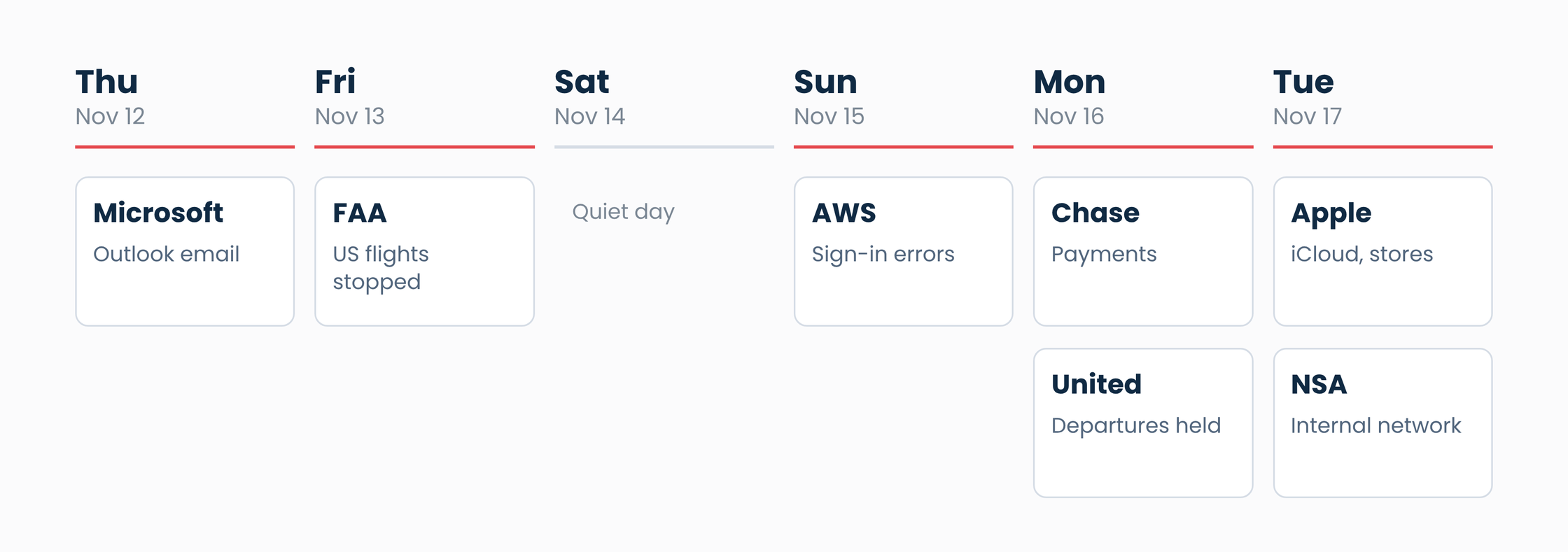
Figure 1 – The big outages of November 12 to 17, 2026, day by day.
What broke, outage by outage
Seven outages hit big names in six days.
Microsoft: a bug from July took down Outlook
On Thursday, November 12, most people couldn't open their work email in Outlook for almost a full day, and the parts of Teams, SharePoint and Copilot that rely on email had problems too. In its first report, Microsoft explains that every user goes through the same entry point, a set of servers it calls a gateway. A code change made back in July had a hidden bug that only showed up under heavy load.
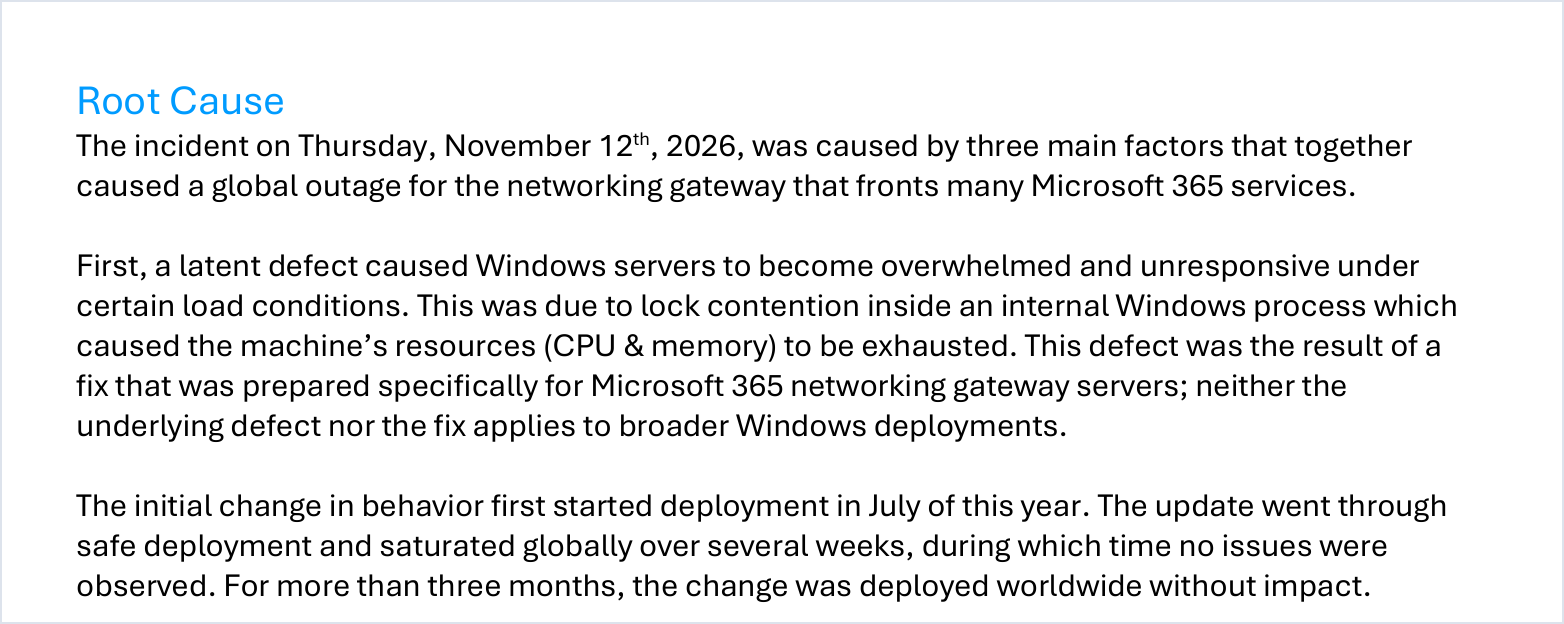
Figure 2 – Microsoft's first report on the outage. The bug came from a change that started rolling out in July.
That Thursday, the load was heavy. Servers started to freeze. Each time one froze, its users were sent to the next one, which then froze too. At the worst moment, more than 80% of the servers had stopped answering. Service came back on Friday morning, US time, and Microsoft's final report is due November 20.
What caused the FAA ground stop?
On Friday, November 13, at about 3:30 p.m. Eastern, the FAA, the US agency that runs air traffic control, stopped every flight from taking off in the country. About 3,500 planes were already in the air, and all of them landed safely. Departures started again at 8:15 p.m., but airlines needed days to catch up: the FAA counts about 12,462 cancelled flights, not all of them caused by the stop.
It all started with routers. The FAA runs its own private network to link its radar sites, its radio sites and the 22 big centers that guide planes across the country. A contractor, L3Harris, was swapping old copper lines for fiber at a radio site in El Dorado, Arkansas, and put in a new router there. Another new router had gone in at a radar site in Amarillo, Texas, about three weeks earlier.
That Friday afternoon, both sites started flooding the network with about 1,000 connection attempts every 4 to 5 seconds. Picture someone ringing a doorbell 200 times a second. The FAA's older equipment couldn't keep up, and radio and radar became shaky at 17 of the 22 centers. Controllers watched for about 45 minutes without finding the cause, then stopped departures.
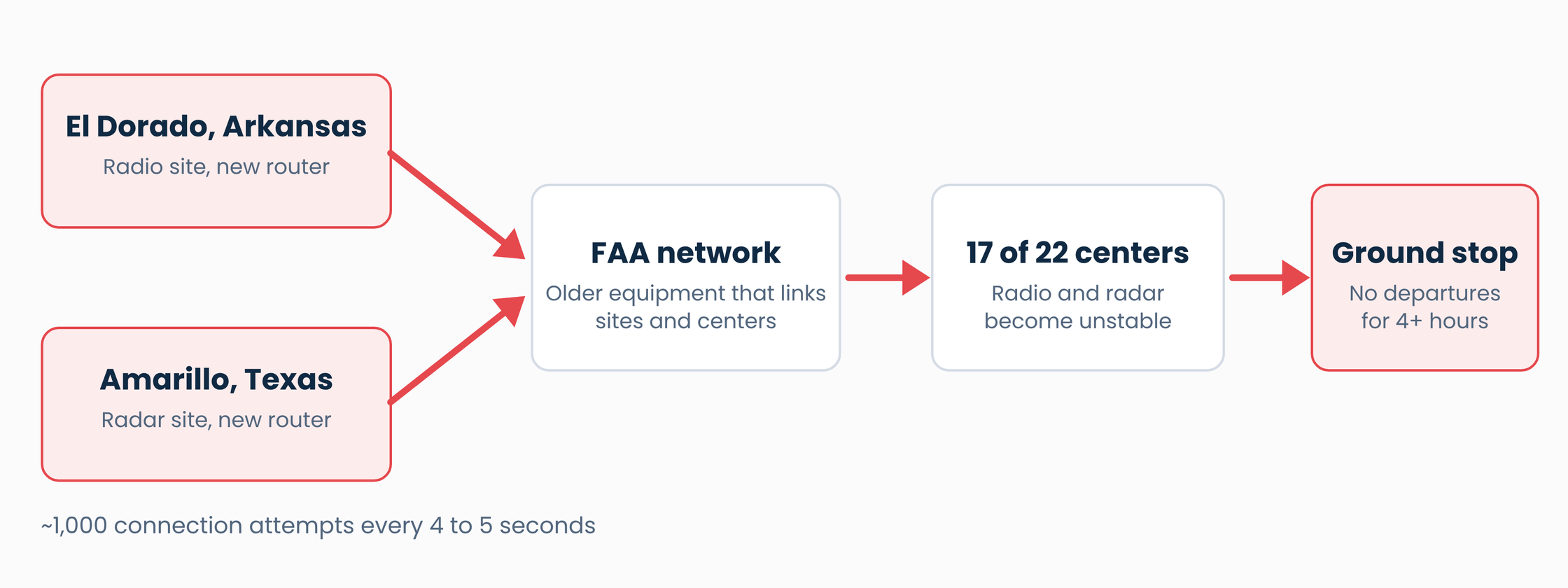
Figure 3 – How two new routers shook the FAA's network on November 13, 2026.
Once they found it, the fix was quick. L3Harris cut the two sites off, and the network calmed down. The FAA then turned off the same feature on more than 60 other new Juniper routers and paused installing them.
Chase and United: payments and planes stuck
On Monday, November 16, Chase had what it calls "a software bug in an on-premise hardware system", meaning a machine in its own buildings, not in the cloud. Payments slowed down for hours. People at other banks felt it too, because their transfers and Zelle payments to Chase customers had to go through Chase. Chase said payments were posting normally again by about 6:30 p.m. Eastern.

Figure 4 – On November 16, many people saw payments stuck for hours, even at banks other than Chase.
The same afternoon, United held its departures for more than 90 minutes. United hasn't said what broke, but its pilots told controllers the system that gives a plane its final weight was down.
AWS, Apple and the NSA: smaller outages
Early on Sunday, November 15, Amazon's cloud service, AWS, had about three hours of sign-in and connection errors in its region in Northern Virginia, and it hasn't given a cause. On Tuesday, November 17, Apple said "an internal update" broke iCloud sign-in, the App Store and the checkout in its stores. The same day, the NSA said its internal network slowed down "during scheduled routine maintenance".
Are the outages related? Was it a cyberattack?
Nobody has found a link between any of these outages, and every company and agency involved says they weren't attacks. On November 17, Homeland Security Secretary Markwayne Mullin told CNBC the outages have "nothing to do with cyber attacks".
The day before, Mullin had floated another idea on Fox News: that new AI tools run too fast for older systems. Nobody has backed that up. The FAA says its AI planning tool doesn't feed the systems controllers use, and every cause published so far is a plain technical one: a bug, a router, an update, some maintenance.
Why are there so many outages right now?
The same three reasons come back in almost every one of these reports.
Almost every outage started with a change
Microsoft's came from a code change made in July. The FAA's came from new routers. Apple's came from an internal update, and the NSA's from planned maintenance. That's the most common way things break. In Uptime Institute's 2026 survey of IT teams, changes and setup mistakes caused 41% of network outages and 51% of outages on IT systems, and human error played a part in nine out of 10 outages.
Many services share the same pieces
Outlook, and the parts of Teams and Copilot that use email, all sit behind the same Microsoft gateway, so one bug there reached most of its users. Chase moves money for people at other banks, so its bug reached their customers too. The more people use one system, the more people one mistake can reach.
A lot of the equipment is old
The FAA says the network that shook on November 13 runs on older equipment, and that this outage shows it has to be replaced. New gear gets plugged into old systems all the time, and that's where things can go wrong.
Are outages getting more common?
The data says no. Every year, Uptime Institute asks data center operators if they had a serious outage in the past three years. In 2020, 74% said yes. In 2025, it was 50%.
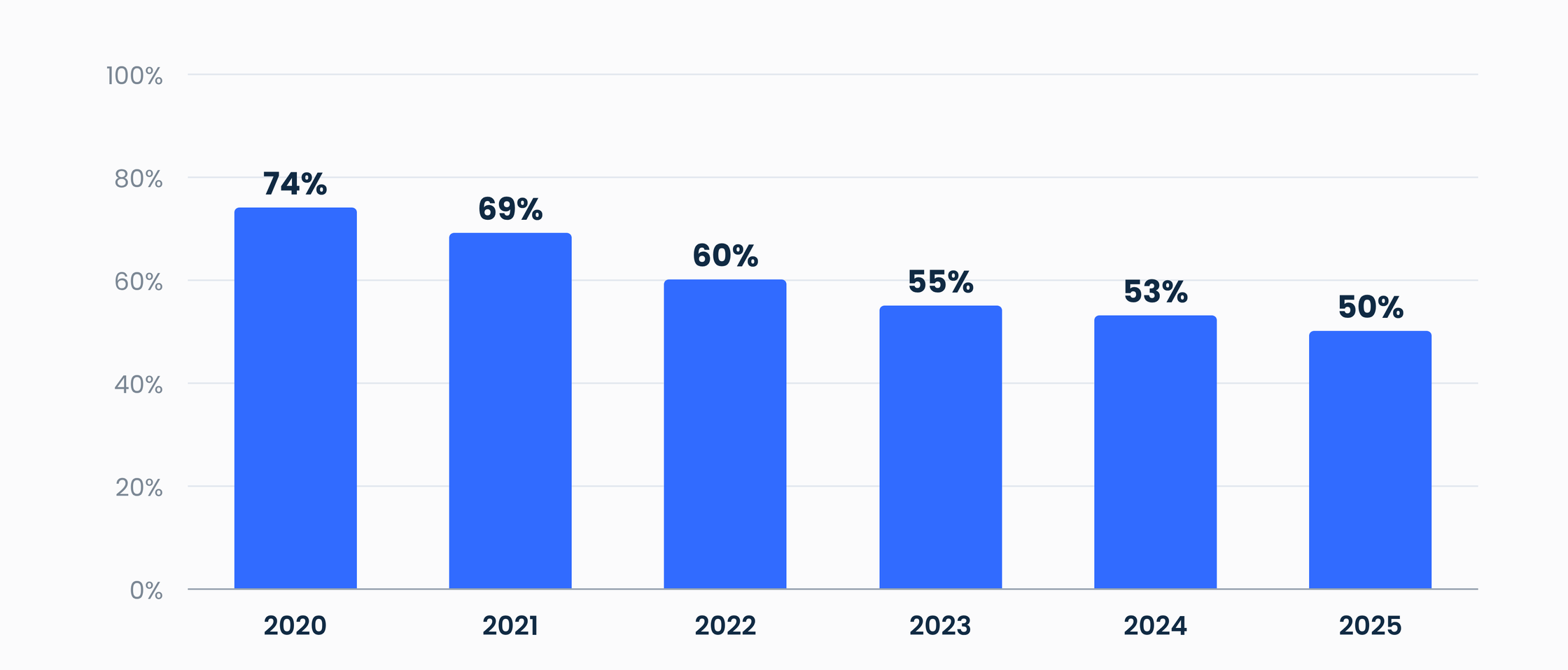
Figure 5 – Share of data center operators who had a serious outage in the three years before each survey. Source: Uptime Institute, Annual Outage Analysis 2026.
Big public outages aren't rare either. Uptime counted 122 of them in 2025, more than two a week. What made this week stand out is that several hit huge names within a few days, and they hit things everyone uses at once: email, flights and money.
Will it happen again?
Yes. Mullin said it himself: "I believe we're going to see more of this as new technology rolls out." Every company changes its systems all the time, and some of those changes will go wrong. A second card or a bit of cash helps when your bank is down, and when flights stop, the FAA's live airport status page, nasstatus.faa.gov, and your airline's app tell you more than the departures board.
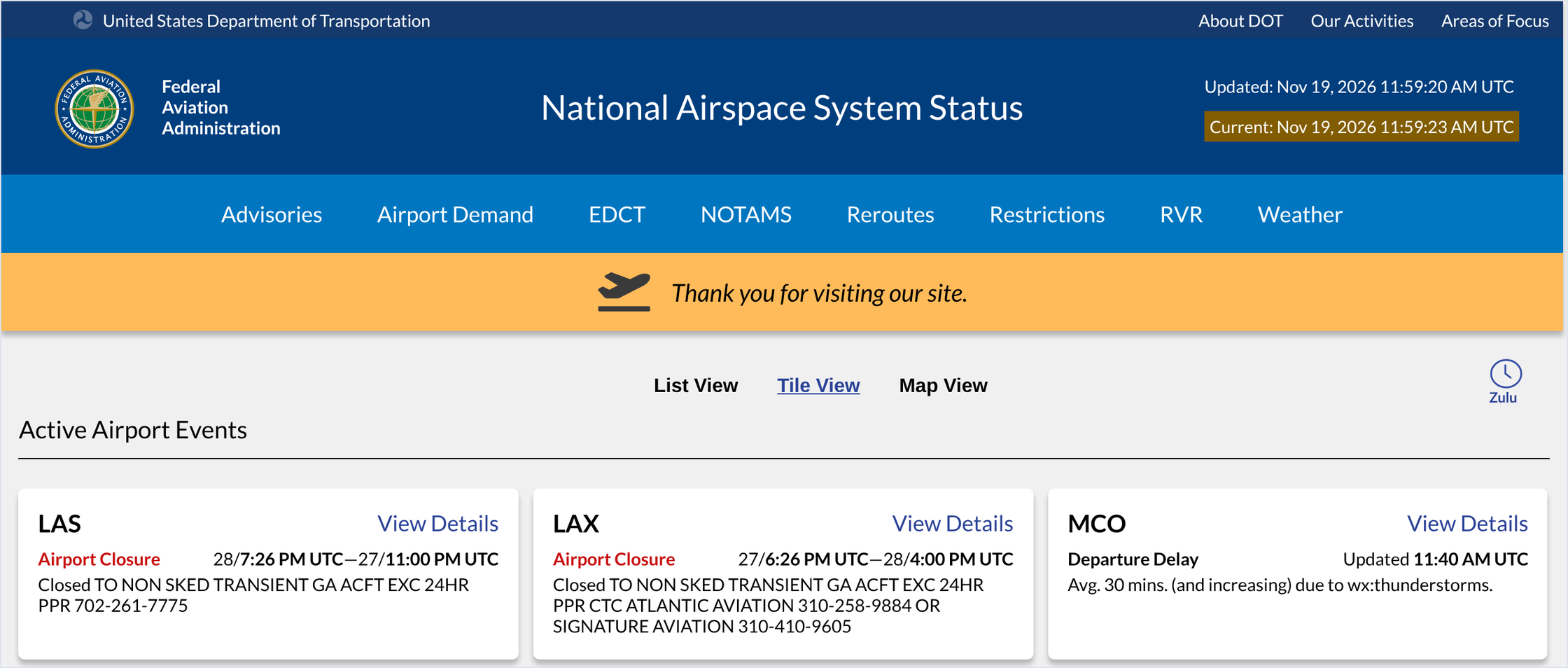
Figure 6 – The FAA's live status page lists ground stops and delays airport by airport.
Who fixes these outages?
Behind each of these outages, network and IT engineers spent hours finding the broken piece: a bug in a gateway, two routers flooding a network, a faulty machine in a bank. If you want to understand how networks like the FAA's work, the CCNA is Cisco's starting certification for that. It teaches how routers send data, how sites connect to each other and how to find what breaks.
At PingMyNetwork, we teach the CCNA with short lessons and labs where you type real router commands.
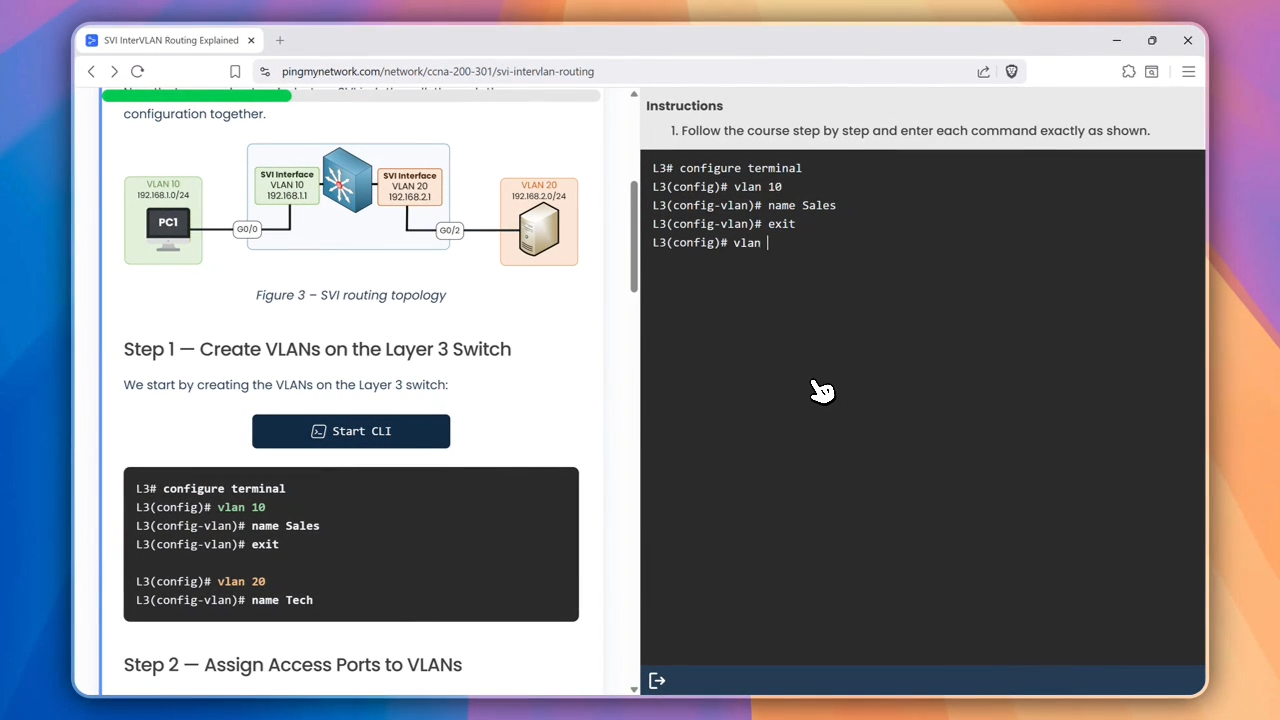
Figure 7 – A PingMyNetwork lesson: you read, then you type the commands yourself.
 Written by Dorian AlaryPingMyNetwork co-founderCCNA 200-301Developper


